
Sir Quentin Blake

quentin blakeAfter a long and storied career, British illustrator Quentin Blake was knighted by the Prince of Wales today. From Mrs. Armitage to Matilda, he has deposited lots and lots (and lots) of indelible characters, human and otherwise, into our collective consciousness, where they will stay in perpetuity. He is also responsible for the wonderful wallpaper on the display wall right here in the Butler Center. On this side of the pond he is best known for his spot illustrations for the Roald Dahl oeuvre, but in his 64 year career (and 64 is my favorite number) he has crafted a remarkable variety of really exquisite books, as author and as illustrator. Here are a few standouts:

CockatoosCockatoos

by Quentin Blake

Little, Brown 1992

Professor Dupont is a slave to his routine, and it is driving his cockatoos crazy! They decide to teach him a lesson, and distribute themselves about the conservatory, never to be seen again. Or not.  This clever, infectious book turns the familiar counting book on its head, with the ever diminishing items-to-be-counted hidden (in plain, polychrome sight), to the delight of observant children everywhere.

tell me a picture

Tell Me A Picture

by Quentin Blake

Millbook Press, 2003

Quentin Blake curated a collection of 26 paintings and children’s book illustrations and employs his trademark figures to interpret them with us. Each work of art enjoys four pages, two for uncluttered presentation, followed by two more where the sketchy individuals respond, with genuine curiosity, puzzlement, and affection. As much about looking at art as it is about art itself, it offers children a safe and stable place from which to begin their own inquisitions.

michael rosens sad bookMichael Rosen’s Sad Book

by Michael Rosen

illustrated by Quentin Blake

Candlewick, 2005

Michael Rosen tells the story of his own experience losing his adult son, and explores the fundamental nature of grief. Blake’s sketchy, chaotic images, in drab greys and blues, express grief’s uncontrollable disquiet in a profound and deeply affecting way. The world will continue to debate whether or not it is a book for children (it is), but it’s artistic power is undeniable.
On the money (mostly)

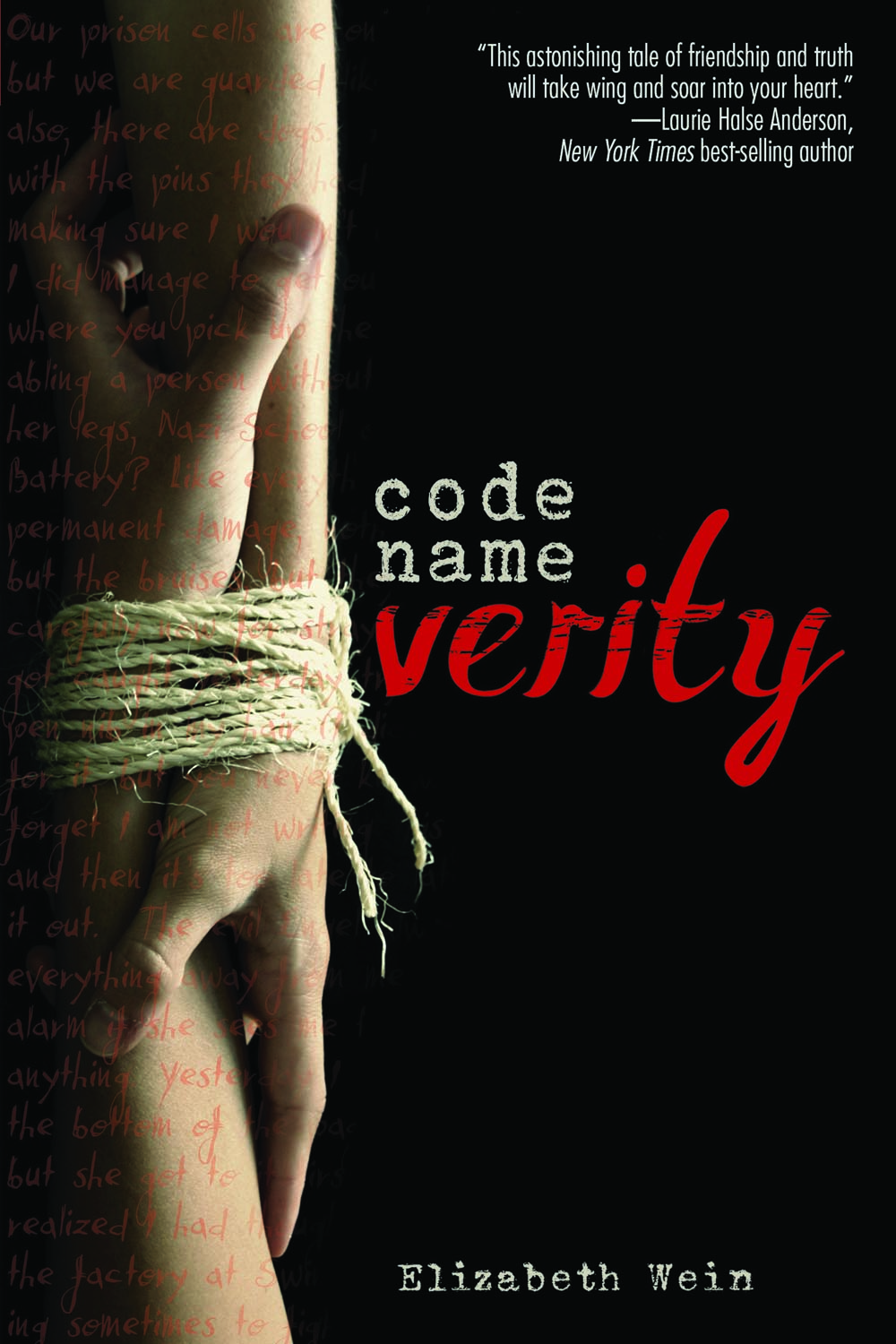
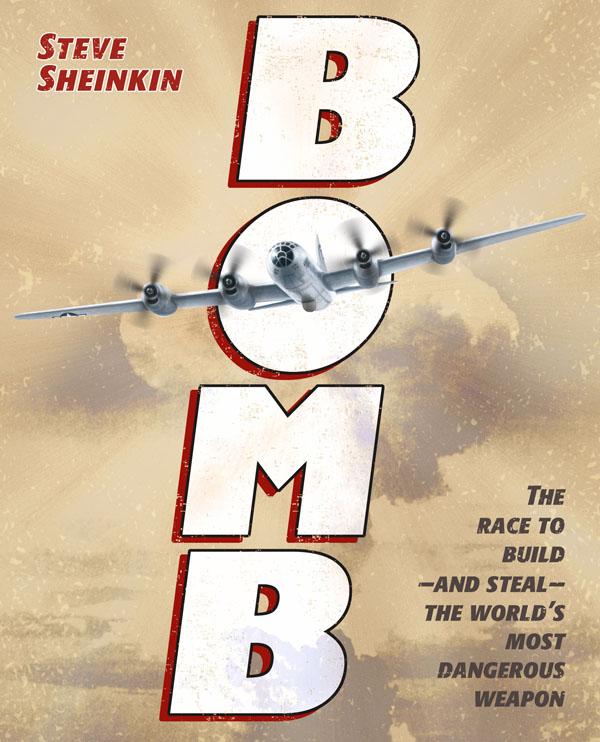
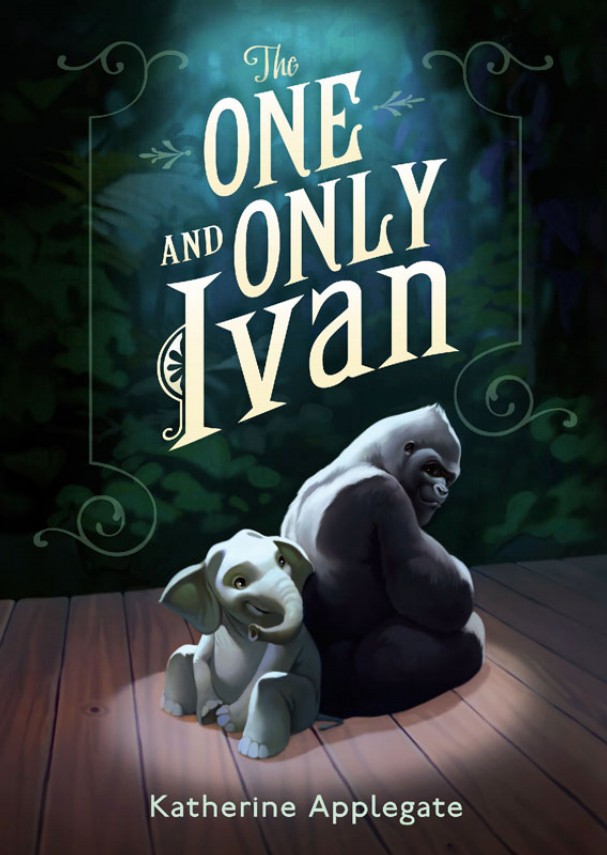
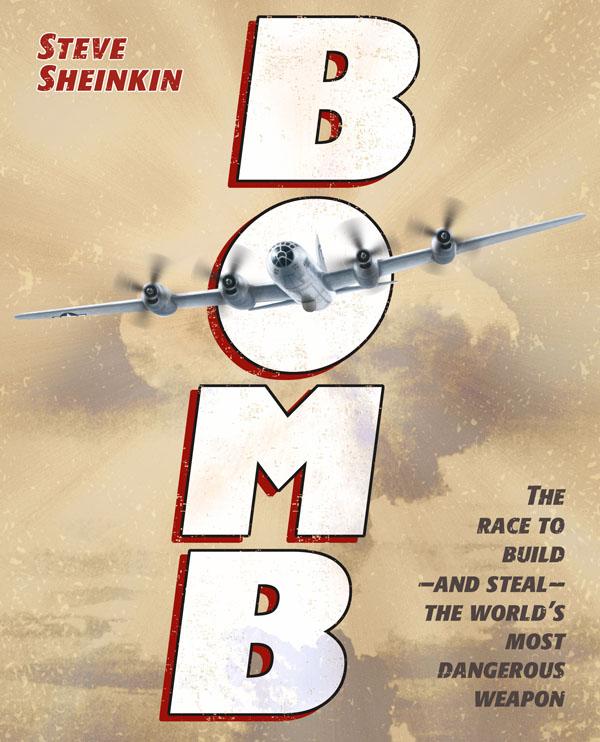
Back in December we suggested some books as particularly holiday-giftable. Looking back, I see that among the eight books for young people we recommended, half were recognized at the ALA Youth Media Awards! We had the Newbery winner (The One and Only Ivan), The Sibert winner/Newbery honor book (Bomb: The Race to Build–and Steal–the World’s Most Dangerous Weapon), a Caldecott honor book (Extra Yarn), and a Printz honor book (Code Name Verity). Not bad for a day’s work.

The One and Only IvanbombExtra YarnCode Name Verity


You can find a link to all of the ALA award winning titles here.

The Brother’s Grimm: Popular Folk Tales

brothers grimmThe Brothers Grimm: Popular Folk Tales

Newly translated by Brian Alderson, illustrated by Michael Foreman

Doubleday, 1978

This rich collection of thirty-one Grimm’s tales combines familiar stories, such as “Hansel and Gretel,” “Rapunzel,” and “Rumpelstiltskin,” with lesser-known tales like the haunting “Fitcher’s Bird” and “King Throstlebeard.” While the anthology contains no formal introduction, internal notes or citations, there is a table of contents and a list of color illustrations in the front matter. Alderson also includes detailed “Afterward” and “Notes” sections in the back matter, in which he affirms his mission for the book. He states that many English translations of Grimm, though accurate, “miss the spirit of the tales” (188), and his objective for this collection is to translate the German tales “not from the scholar’s study but from a storyteller talking to his listeners” (188). He succeeds in this goal, as the translations are clear, concise, and readable—yet they still contain anecdotes of humor, gruesome description, and evocative imagery. Alderson notes that the Brothers Grimm stories “exist in a number of forms,” and his translation “is largely based on texts which had reached [the] final form, the ninth edition of the ‘Grosse Ausgabe’” (189). When he uses previous versions of the tales in his translations, he does not make a specific source note in the internal text, but he does mention it in the “Notes”, which are a thorough three pages long. Alderson comments that himself, his illustrator, and his publisher chose the specific tales to be included, and notes that the order of arranging the tales is intentional. He states, “It was hoped that the sequence of stories would have a naturalness about it that would make it comfortable for readers to work through, if they wished, from one end to the other” (189). Michael Foreman’s dynamic illustrations enhance the collection, as each tale begins with a black-and-white thumbnail sketch and twenty-six full-color, vibrant, watercolor illustrations are scattered throughout the book. Foreman captures the tone of each tale, using muted and dark colors, shadow, and thin lines in the mysterious tales and luminous color, imaginative details, and softer lines in the lighter tales. The collection’s most remarkable feature is its potential diversity of audience. Because of the collection’s comprehensible translation, it is a great resource for the oral storyteller, but it is also a worthy selection for upper-elementary children, as the illustrations bring out the pathos of each story. Translated and illustrated by two qualified, experienced experts in children’s literature, this collection is a significant addition to the canon of folklore for children.

Gifts of Information

Our last stop on the holiday book recommendation train includes some books about real, actual people and things.

Chuck Close: Face Book

Chuck Close

Abrams, 2012

The famous portraitist tells his remarkable story, overcoming severe dyslexia, prosoagnosia (the inability to recognize faces) and paraplegia to become one of the most celebrated artists alive in an interactive book brimming with stunning detail. A class of fifth grade students in Brooklyn asks him questions, and his candid, matter-of-fact responses give us a picture of the artist just as clear and impressive as the portraits he paints of others. Exquisite, tactile and inspirational.

Bomb: The Race to Build–and Steal–the World’s Most Dangerous Weapon

Steve Sheinkin

Macmillan, 2012

In this un-put-downable record of the Manhattan Project historian Sheinkin weaves three distinct narratives into an utterly compelling page-turner about spies, science and sabotage with abundant facts and indelible lessons. It’s always a pleasure to follow an enthusiast on a literary exploration, and the velocity of this particular journey makes it is especially exciting. Gripping, informative and scrupulous.

Children’s Book-A-Day Almanac

Anita Silvey

Macmillan, 2012

For the children’s-book-loving adult on your list, this treasure trove by noted critic Anita Silvey makes a different recommendation for every day of the year and comes overflowing with corollary tidbits of fascination. Look for Silvey’s book-a-day for more suggestions and more fun.  Erudite, expert and comprehensive.

Novel Gifts

Our holiday gift recommendations continue with a few novels we think young readers might enjoy.

The One and Only Ivan

Katherine Applegate, illustrated by Patricia Castelao

HarperCollins, 2012

Ivan the gorilla is resigned to his life in a glass enclosure at the Exit 8 Big Top Mall and Video Arcade. But when Ruby the baby elephant arrives, Ivan commits himself to winning a better life for her. Applegate crafts a natural and believable voice for Ivan, at once plain and poetic, and with it will break your heart (in the best possible way). And Castelao’s gentle gestures only add to the grace. Beautiful prose tells a beautiful story. Poignant, emotional and uplifting.

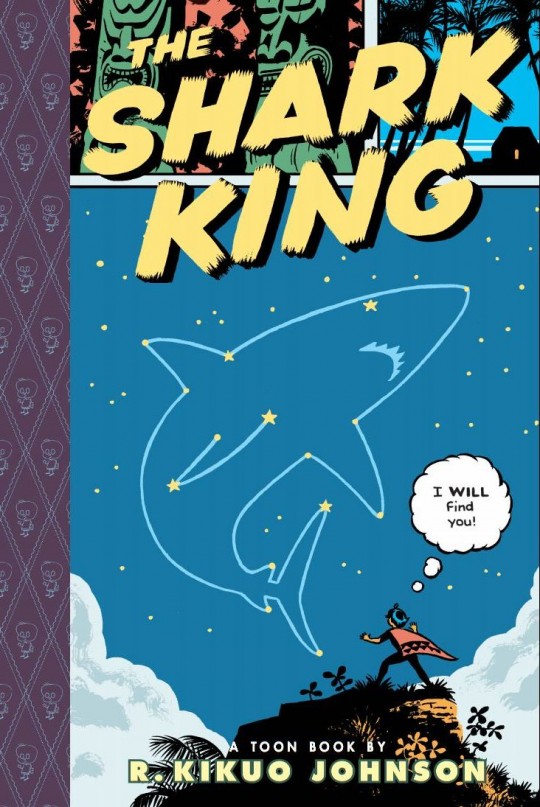
Shark King

Kikuo R. Johnson

Candlewick, 2012

A Hawaiian legend about a shape-shifting boy who becomes a king is just the thing for a picture-perfect beginning reader with graphic illustrations, comic book panels, word-balloon dialogue and ebullient excitement! Those familiar with the tropes of the graphic novel will appreciate the care with which they are observed, and those new to the format will enjoy its immediacy and its fun. Bright, smart and ebullient.

Code Name Verity

Elizabeth Wein

Disney-Hyperion, 2012

Shot down behind German lines during WWII, and enduring starvation and torture, Julie trades Allied secrets for prolonged safety and a few trifling comforts. Or does she? Wein’s startling novel weaves espionage, honor and indelible friendship into a gripping, revelatory package. Fierce readers will appreciate the investment required to dig through the obfuscation and retrieve a singularlygratifying literary reward. Dense, complex and thrilling.