Welcome to the online presence of the Butler Children's Literature Center, housed within Dominican's School of Information Studies, Crown Library room 214. Here, we celebrate the best in books for youth and those who delight in sharing them. For Fall 2026, BCLC will offer collection access to the Dominican community and general public during posted open hours: Monday, Tuesday, Thursday, and Friday 9am-4pm, and by appointment with the Curator. Contact Jen Clemons at butler@dom.edu or jclemons@dom.edu to make arrangements.
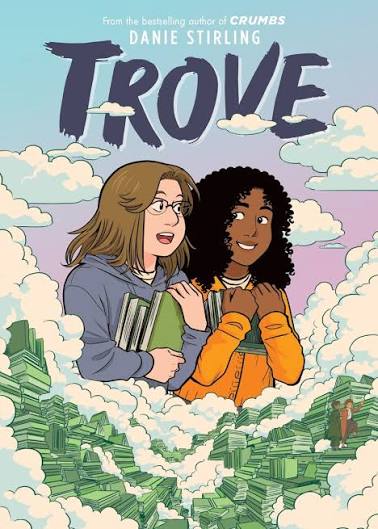
Trove Danie Stirling HaperCollins Children’s Books/HarperAlley Ages 12+ Available November 10, 2026
Obsessed with the niche fantasy series Trove, tenth-graders Nessa and Juliette create a sleepover club with three rules: no spoilers, no sleep, and no drama. Despite sticking to these rules for years, their friendship is shaken when Juliette announces she is moving the same day the author of Trove retires without plans to publish the final book. Desperate for closure on their beloved series, the girls spend the weeks before Juliette’s move tracking down the manuscript for the series finale. At FabuCon, a Trove fan convention, the girls follow clues from a fan claiming to have the manuscript on a chaotic quest that tests their friendship. As the story unfolds, scenes from the Trove series are woven into Juliette and Nessa’s present-day narrative, inviting readers into the fantasy world that has captivated the protagonists. At times, Trove feels like a third member of their friendship, so central to their interactions that scenes from the series replace the background of their conversations. Alongside glimpses into the fantasy series, flashbacks to seventh grade reveal how the girls’ struggles with bullying and loneliness shaped their connection. In one particularly touching scene, Juliette is bedridden with a cold and exasperated with her parents for serving her apple juice, a flavor she dislikes. Moments later, Nessa appears outside her bedroom window with a care package containing Juliette’s favorite strawberry juice. The detailed illustrations distinguish the three timelines while allowing body language, small acts of care, and unspoken moments to build a nuanced portrait of the girls’ relationship. For middle-grade readers, the story’s subtle portrayal of emotional resilience is a reminder that friendship isn’t built solely on grand gestures or earth-shattering emotions. Sometimes, a carton of juice or a shared hobby call can lay the foundation for a lifelong friendship. For readers who relate to the all-consuming experience of being part of a fandom, this graphic novel offers a heartwarming portrayal of the special bond that grows from a shared passion.
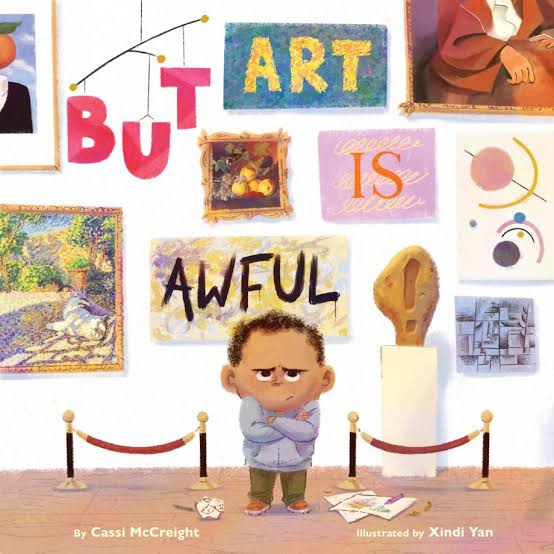
Picture books are a powerful tool for nurturing children’s creativity while honoring their uninhibited outlook on the world. From cooking family recipes to making music out of the rumble of a garbage truck, this week’s collection of picture books demonstrate that there is no wrong way to embrace your inner artist. Our Pick of the Week, But Art is Awful by Cassey McCreight, follows a young boy begrudgingly visiting the local art museum with his mother. At first, he drags his feet and boldly questions the artists’ legitimacy. But as he continues to critique the artwork, he becomes empowered by his attention to detail, enthusiastically finding aspects of each work that he missed during his previous visit. At the back of the book is a list of art movements cheekily titled, “Stuff I Accidentally Learned at the Art Museum.” With a playful, child-like tone, the list provides historical information and thought-provoking questions about each period, enhancing the story’s message of encouraging children’s innate ability to appreciate, critique, and make art.
Check out this and more art-focused books below:
But Art is Awful Cassy McCreight Illustrated by Yan Xindi ABRAMS/Abrams Books for Young Readers Available now!
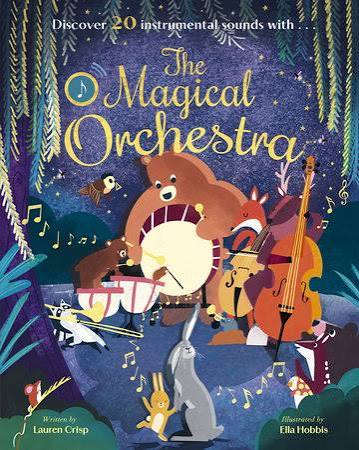
The Magic Orchestra Lauren Crisp Illustrated by Ella Hobbis Penguin Random House/Tiger Tales Available now!
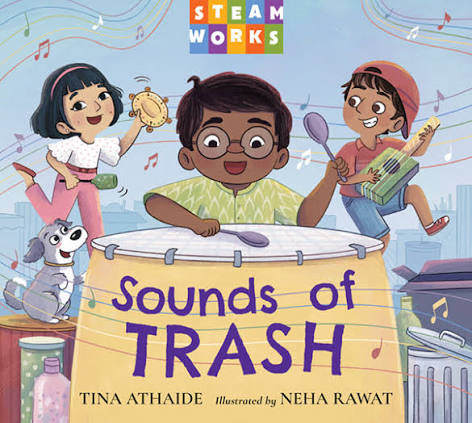
Sounds of Trash Tina Athaide Illustrated by Neha Rawat Charlesbridge Available now!
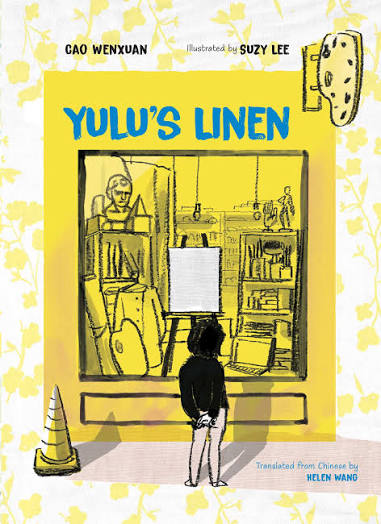
Yulu’s Linen Cao Wenxuan Illustrated by Suzy Lee Simon & Schuster Children’s Publishing/Atheneum Books for Young Readers Available now!
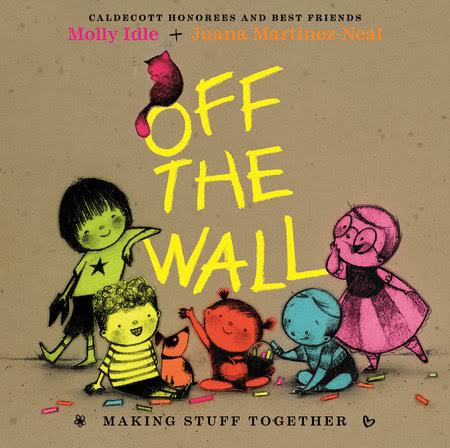
Off the Wall: Making Stuff Together Molly Idle and Juana Martinez-Neal Holiday House/Neal Porter Books Available now!
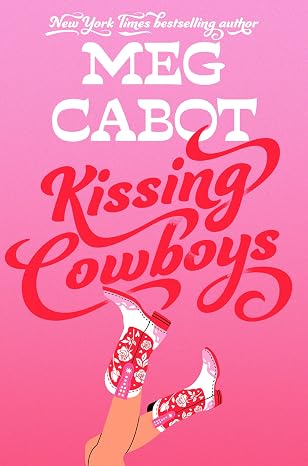
Kissing Cowboys Meg Cabot HarperCollins Publishers/HarperCollins Children’s Books Ages 13+ Available December 8, 2026
Winn is a city girl, through and through. So when her brother’s felony charge forces their family to relocate to the only school that will take him, a working farm school for troubled boys, she’s less than pleased. And no matter what her best friend says, she absolutely will not be kissing, dating, or falling in love with any of the troubled-teens-turned-cowboys who make up the ranch’s population. But despite her distaste for Green Fire Ranch’s lack of cellular service and affordable vintage clothing, Winn finds herself drawn to farm life, and two of her new cowboy classmates in particular.
Winn might be stuck in a “will they, won’t they” love triangle, but Cabot is careful not to reduce her main character to her (dis)interest in boys. Winn has a believable slate of interests and hobbies, and her family and classmates are made into well-rounded characters, with multiple additional romances and plot points set up to be featured in the already-announced sequel. The novel’s prose is often intensely visual, with a focus not only on the handsome looks of cowboys but also no the natural beauty of the Montana wilderness.
With a relatable main character and a pair of excitingly tempting yet forbidden love interests, Kissing Cowboys fits in well with its young adult romance peers and will appeal to many a young romance reader. Neurodivergent readers may also be pleased to see a romance whose protagonist has ADHD and who lives in an environment where neuro-differences are accepted and celebrated.
There is nothing quite like the vast world of space. It’s fascinated people for centuries, and it’s evident that readers can’t get enough of books about exploring the universe. The books we’re featuring in Butler Bookshelf for this week comes from our nonfiction section. Our featured pick is History Smashers: The Space Race (History Smashers 12) by Kate Messner. Messner explores humanity’s fascination with outer space in this latest addition to the series, and it isn’t limited to the infamous ‘space race’ between Russia and the United States (though it is covered in great detail). The book also features black-and-white graphic novel inserts, a Q&A with Laurie Leshin, a Jet Propulsion Laboratory Director for NASA from 2022-2025, a timeline of the ‘space race,’ and photographs of people, animals, and rockets that made the journey from Earth to the stars.
Here are some more books on the wonders of outer space:
History Smashers: The Space Race (History Smashers 12) Kate Messner Random House Children’s Books/Random House Books for Young Readers Available now!
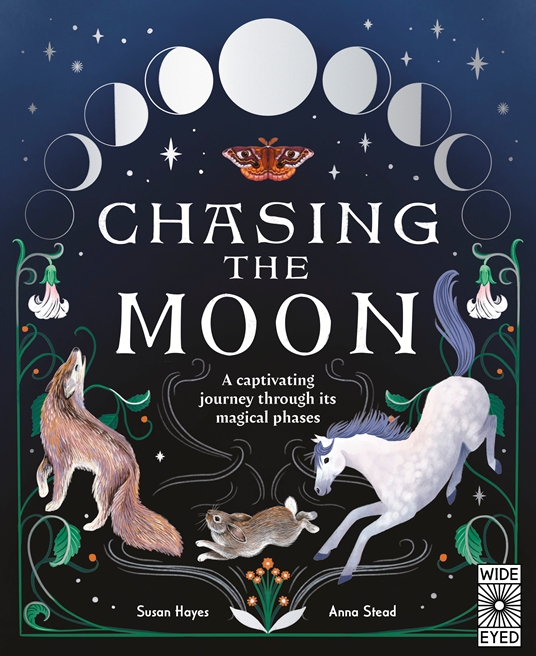
Chasing the Moon: A Captivating Journey Through Its Magical Phases Susan Hayes Illustrated by Anna Stead The Quarto Group/Wide Eyed Productions Available now!
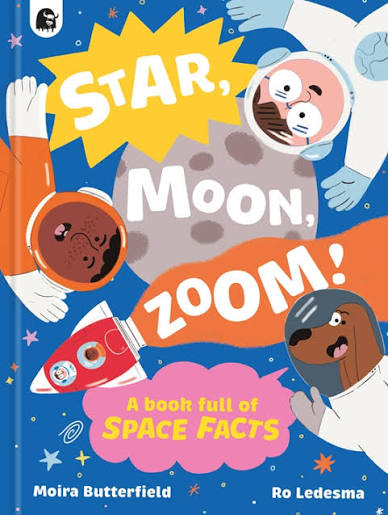
Star, Moon, Zoom!: A Book Full of Space Facts Moira Butterfield Illustrated by Ro Ledesma The Quarto Group/Happy Yak Available now!
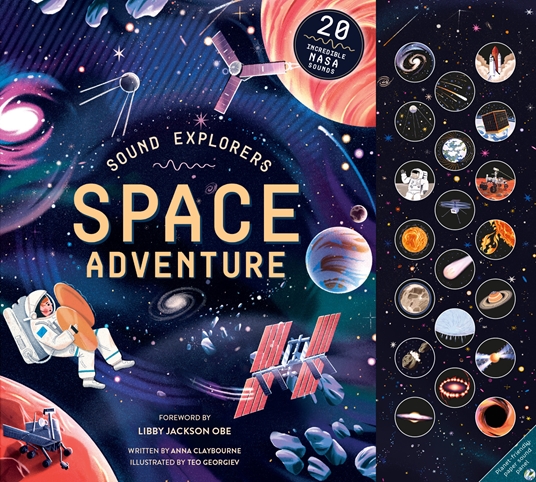
Sound Explorers: Space Adventure Anna Claybourne Illustrated by Teo Georgiev The Quarto Group/Design Eye Available now!
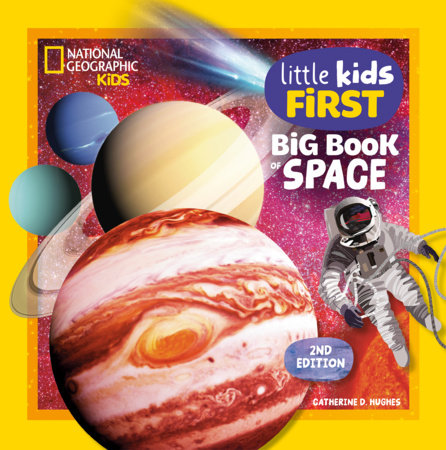
National Geographic Kids: Little Kids First: Big Book of Space 2nd Edition Catherine D. Hughes Random House Children’s Books/National Geographic Kids Available now!
Once again, publishers have come in clutch in time for Halloween. Some of these books are cute rather than frightening, but they are fantastic reads nonetheless. Each book’s cover and content’s scariness is measured by ghost emojis. One is the least scary, but four is the most scary. Here are some recommended elementary to middle-grade reads for this spooky season!
Easy Readers and Early Chapter Books
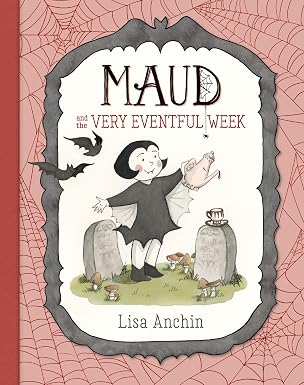
Maud and the Very Eventful Week Lisa Anchin Candlewick Press Published: July 28, 2026 Cover: 👻 Content: 👻 Lisa Anchin’s Maud and the Very Eventful Week follows the week in the life of a little vampire girl named Maud. Maud encounters various shenanigans such as having an enchanted teapot gone wild, ghosts invading her dollhouse, and finding a huge sharp tooth on a walk through the forest. Even making soup with her witch friend, Agnes, has wildly comical results. It culminates in having a weekend yard sale, where all her friends and neighbors stop by and have a splendid time in spite of the crazy week Maud had. Quite cute and charming, fans of cute and quirky stories featuring monsters would love this easy-reader book.
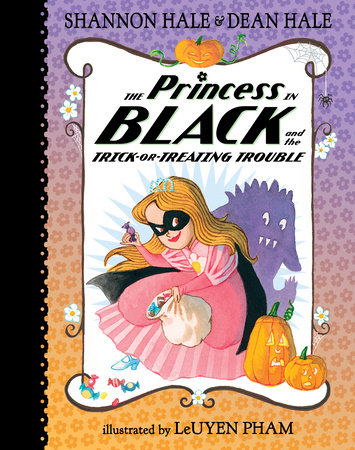
Princess in Black and The Trick-Or-Treating Trouble Shannon and Dean Hale Illustrated by LeUyen Pham Candlewick Press Published: July 7, 2026 Cover: 👻 Content: 👻 Princess Magnolia, aka the Princess in Black, returns in this seasonal installment of the popular transitional book series. On Halloween night, Princess Magnolia is taking a break from handing her world famous candied apples (and fighting monsters) to go trick or treating with her friends. However, she realizes that even monsters don’t take a break from causing mischief for the holidays as a little orange monster is walking around asking people for goats instead of candy, and they even like to eat rocks instead of jellybeans! Happily, everyone is able to compromise so that all the trick-or-treaters, even the orange monster, can have a Happy Halloween. Hilarious, action-packed, and with a hint of surprise, The Princess in Black and the Trick-Or-Treating Trouble is a delightful addition to an entertaining and endearing series.
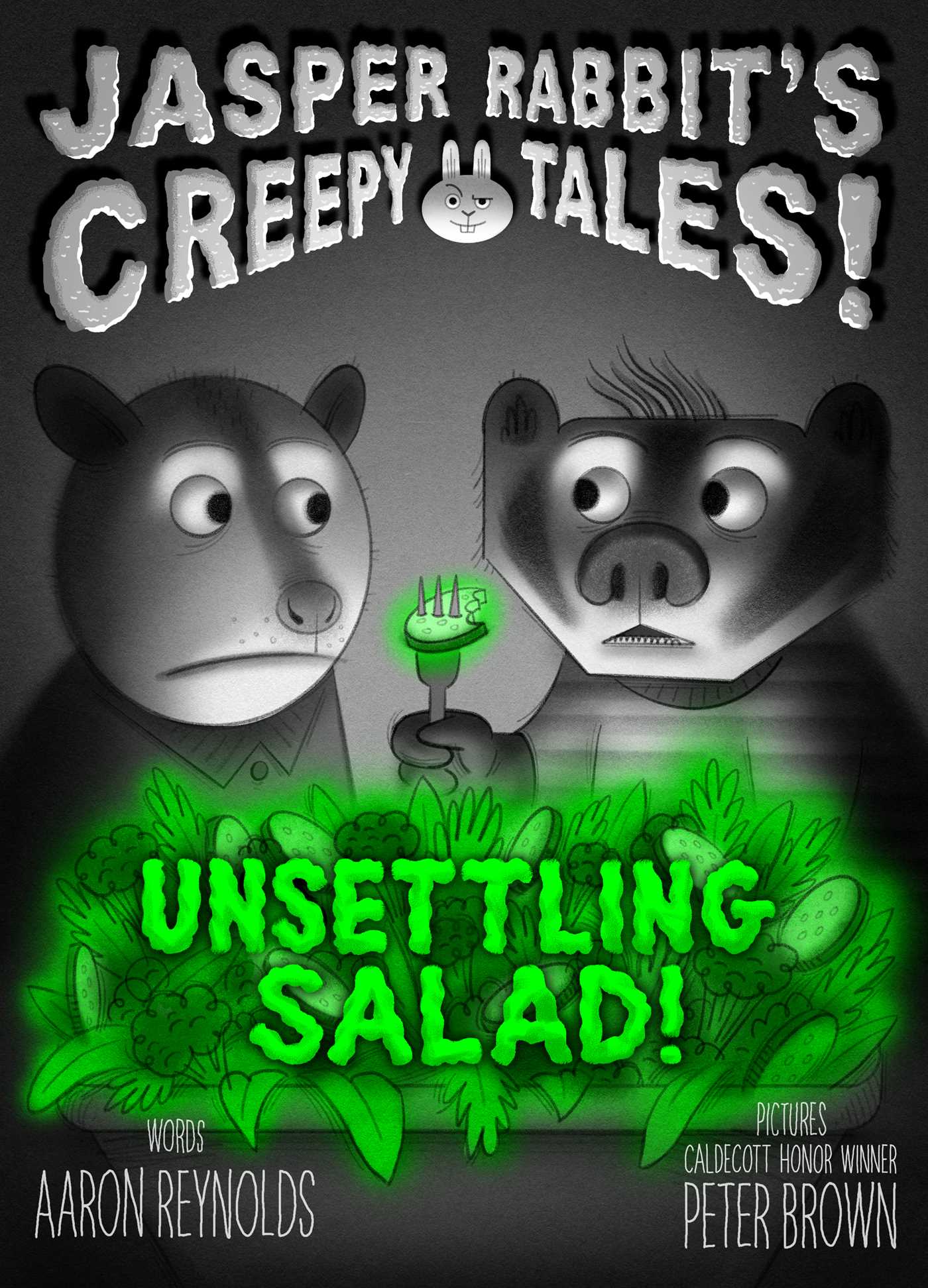
Jasper’s Creepy Tales!: Unsettling Salad! Aaron Reynolds Illustrated by Peter Brown Simon & Schuster Books for Young Readers, an imprint of Simon & Schuster Children’s Publishing Published: February 3, 2026 Cover: 👻👻👻 Content: 👻👻👻 Aaron Reynolds’ Jasper’s Creepy Tales! came in clutch with two new installments to the series this year. The first new book, Unsettling Salad! centers on two best friends Thaddeus Badger and Oliver Possum, two junk-food fanatics. Things change after Oliver’s parents ambush the boys by having them choose a salad from their favorite fast food joint, Hurt-a-Burger, for dinner instead of the usual 17-patty burger and fries. Oliver turns greener by the day after eating the glowing broccoli, and soon his parents isolate him from the world, feigning illness and punishment to anyone who asks. Thaddeus breaks his friend out. They walk in the light of the full moon, and then things take an even worse turn, putting Thaddeus (and everyone else) in danger possibly forever. Creepy and full of suspense, children might need to take a closer look at their vegetables after reading Jasper’s Creepy Tales!: Unsettling Salad!
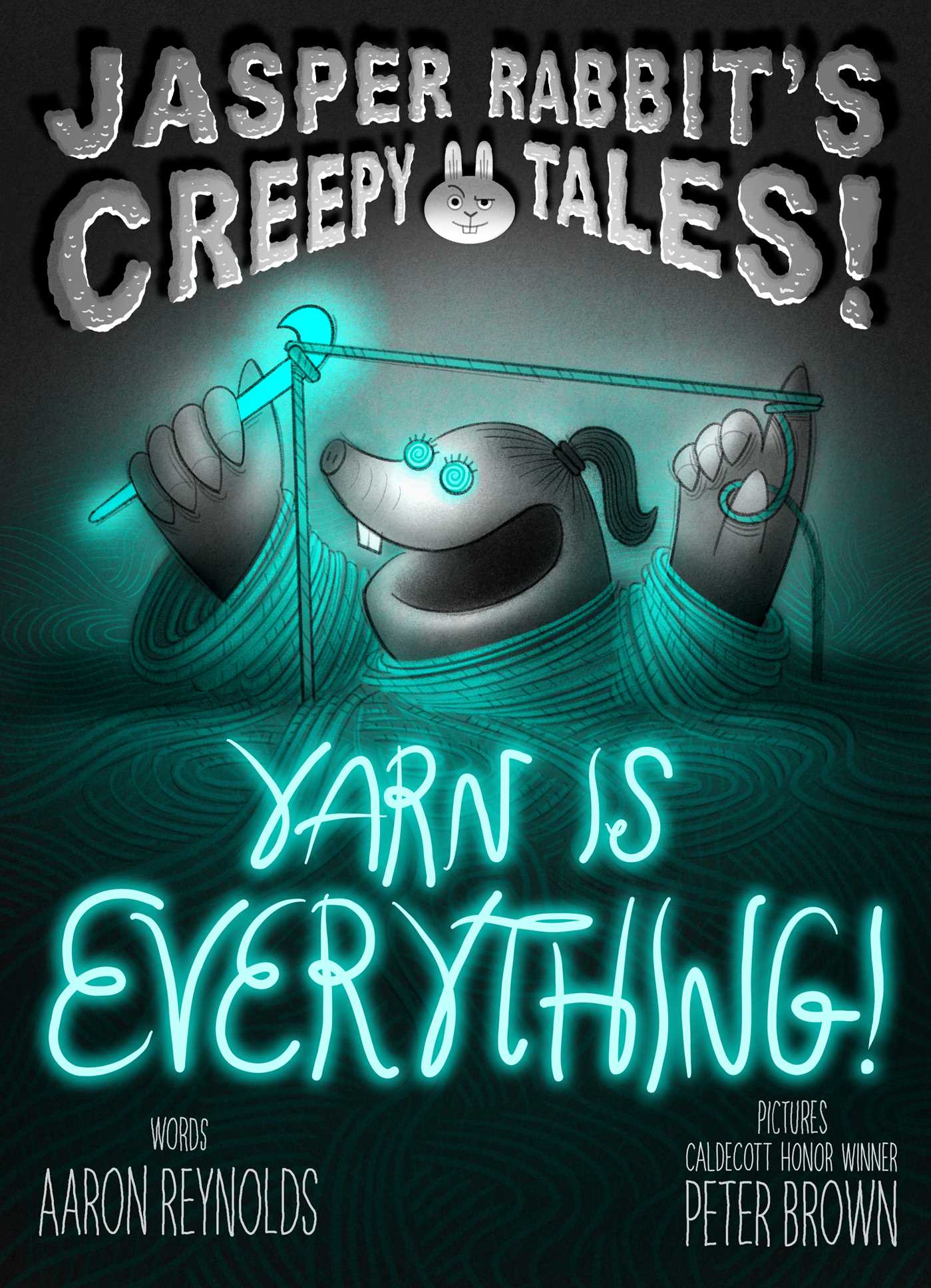
Jasper’s Creepy Tales!: Yarn is Everything! Aaron Reynolds Illustrated by Peter Brown Simon & Schuster Books for Young Readers, an imprint of Simon & Schuster Children’s Publishing Published: July 14, 2026 Cover: 👻👻👻 Content: 👻👻👻 If living broccoli in the glowing salad isn’t to your taste, try something a little cosier in Jasper’s Creepy Tales’ Yarn is Everything! This creepy tale stars Winona Mole, who loves crocheting yarn more than anything and anyone in the world. For her ninth birthday, she gets a “replica” of the Spirit Hook, an artifact Winona loves the most in the Museum of Woollen Arts and Yarn Stitchery that mysteriously disappeared soon after Winona and her father left. With the supernatural hook, she is able to crochet everything, even better than the creations contestants make on Yarn is Everything!, Winona’s favorite crocheting game show where people can crochet yarn into anything (even food and objects). After she’s accepted to be on the program, preparing for the competition takes over Winona’s whole house to the point where even her parent’s things are nothing but yarn-woven replicas. When the fateful day does arrive, Winona wants to win so badly that her obsession with it just might be her ultimate undoing. Riveting and unsettling, Jasper’s Creepy Tales!: Yarn is Everything! is one cautionary story that will send shivers down readers’ spines.
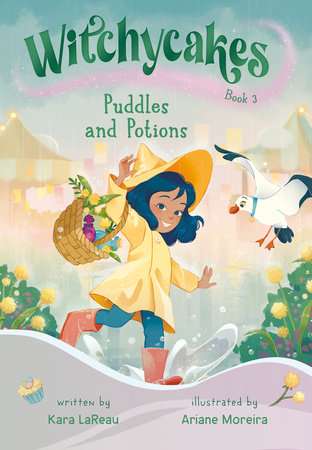
Witchycakes: Puddles and Potions (Witchycakes Book 3) Kara LaReau Illustrated by Ariane Moreira Random House Books for Young Readers, an imprint of Random House Children’s Books Published: February 10, 2026 Cover: 👻 Content: 👻 It’s a chaotic rainy morning before the Spring Festival at the Witchycakes bakery, and Mama Moon has her hands full. Her daughter, young witch-in-training Blue, wants everything in the day to go smoothly and perfectly. When Mama Moon isn’t looking, she takes the “Perfect Potion” without asking. Blue uses it with the new hire, Marlin, and it works like a charm. Blue uses the perfect potion on her delivery to grouchy Ms. Crabbe, but it doesn’t go so well. By the time she tries to use it on the bickering Jellyfish twins, Blue ran out of potion! However, Blue realizes that a perfect day can be possible, even without using magic. Playful and pretty, young readers will be charmed by Blue’s whimsical adventures in using magic responsibly and having fun along the way. There is also an easy recipe for “Seagull Nest Cupcakes” for kids to bake along.
Graphic Novels
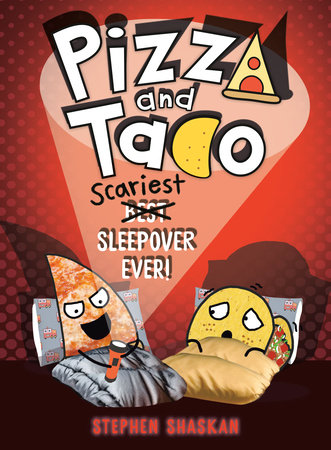
Pizza and Taco: Scariest Sleepover Ever! (Pizza and Taco Book 11) Stephen Shaskan RH Graphic, an imprint of Random House Children’s Books Published: July 21, 2026 Cover: 👻 Content: 👻 Pizza and Taco have everything for the perfect sleepover at Taco’s basement: a fantastic playlist, list of fun activities, and their guest and supply list on hand. The only thing they can’t do is watch a scary movie. But that won’t stop the dynamic duo and their sleepover guests from telling ghost stories! The trio of duos, Pizza and Taco, Cookie and Muffin, and Burger and Hotdog, take a turn telling scary tales: three in total. But our main pair of besties aren’t scared of a few little ghost stories, right? Amusing and fun, fans of Pizza and Taco won’t be disappointed with this latest installment of the series.
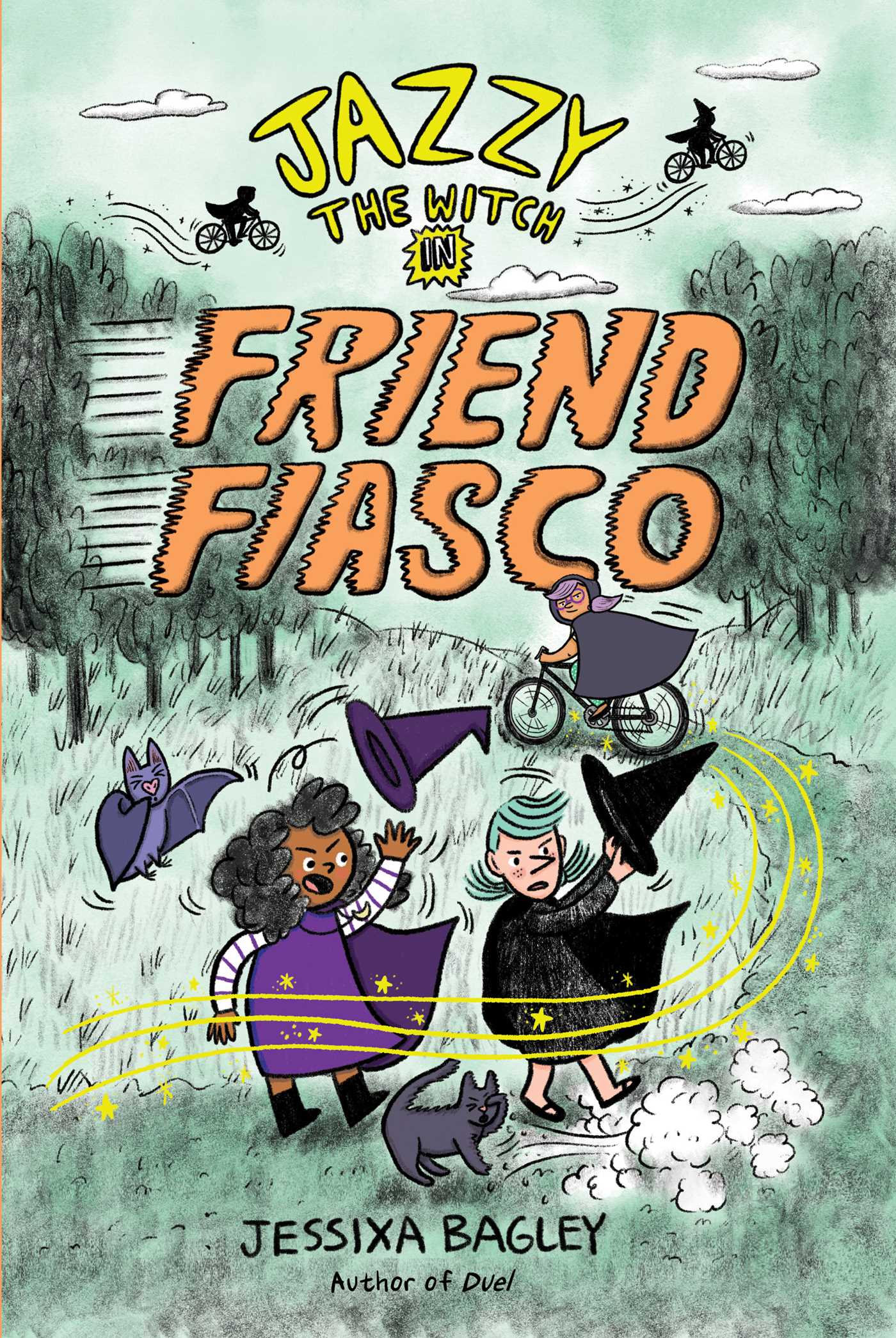
Jazzy the Witch in Friends Fiasco (Jazzy the Witch Book 2) Jessixa Bagley Simon & Schuster Books for Young Readers, an imprint of Simon & Schuster Children’s Publishing Published: July 14, 2026 Cover: 👻 Content: 👻 Bikes are now all the rage in Jazzy the Witch’s town, and she is more than happy to teach her friends, neighbors, and family about the fun of cycling. Then a mysterious and cool newcomer, Estrella, and her family stroll into town. She impresses everyone with her bike and book skills, making Jazzy and her bookworm bestie Aggie jealous. The two witch friends are determined to knock Estrella down a few pegs. A few acts of sabotage turn into an all-out prank war between the pair and the new girl, which gets so intense that it has Jazzy questioning her own actions. Eventually, Jazzy and Aggie have an epiphany that perhaps there’s more than enough room for more intelligent and awesome witches in the neighborhood after all. Delightfully drawn, Jazzy the Witch in Friend Fiasco will enchant readers with its sublime story on navigating new friendships. It will also please fans of the first book and will have them chomping at the bit at what magical mayhem Jazzy’s next misadventure will bring.
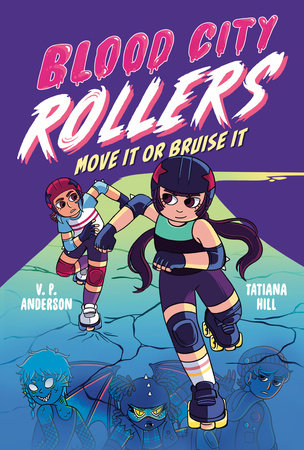
Blood City Rollers: Move It or Bruise It (Blood City Rollers Book 2) V.P. Anderson Illustrated by Tatiana Hill RH Graphic, an imprint of Random House Children’s Publishing Published: January 20, 2026 Cover: 👻👻 Content: 👻👻 Mina and Swan have no idea where their Blood City Roller Derby (BCRD) vampire friends settled after being evicted from their old hideout. However, the Vampires find them and bring their human friends to their new home: an abandoned asylum with zombies in the basement. Just as the Vamps and Bats are ready to practice, a new team, the Wheelers, crashes their place and wants the new roller rink for themselves. The only way to settle this feud is a Sudden Death Scrimmage Match. With things falling apart at home, her friendship with Swan hitting the rocks, and not performing her best, Mina is unsure she’ll keep her place on the BCRD. After talking with both team coaches, Mina is determined to fix things one step at a time, including the feud between the roller teams. Blood City Rollers: Move It or Bruise It is a funky graphic novel that will have readers laughing and empathizing with our spooky band of heroes.
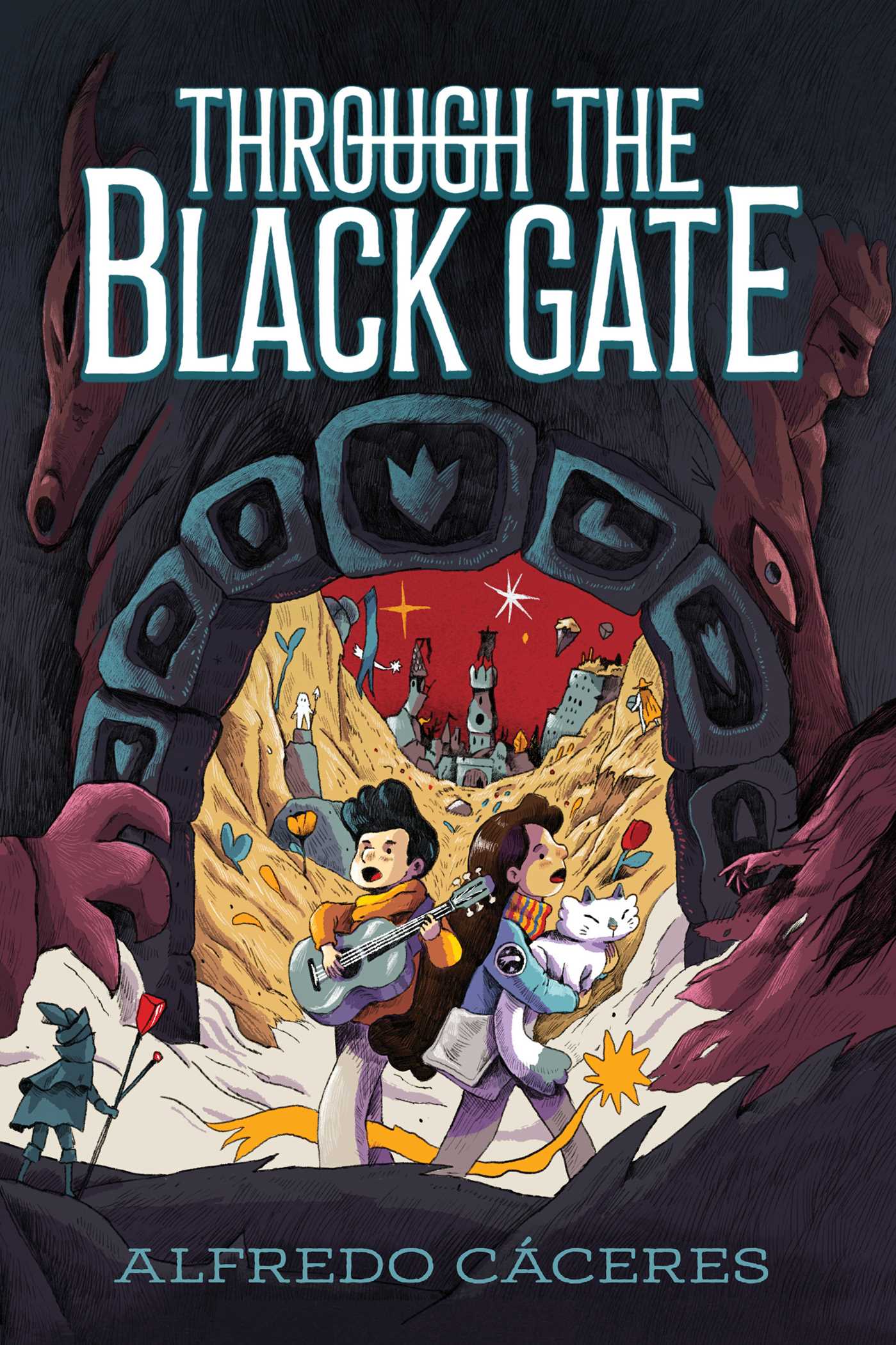
Through the Black Gate Alfredo Caceres Atheneum, an imprint of Simon & Schuster Children’s Publishing Published: June 30, 2026 Cover: 👻👻👻 Content: 👻👻👻 Irene, an orphan trying to figure out the ins and outs of the magical book her parents left for her, and Francis, a young aspiring musician, try to find Irene’s cat, Moses, who Irene believes to be her father’s soul trapped inside the cat’s body. He had just escaped from Francis’s aunt Ruth’s hostel, where Irene was staying, and ran off to near the scene of the accident that killed Irene’s parents. When the children find Moses, Francis plays his song, the cat starts glowing, and a portal to another realm opens. Soon the children find themselves in a domain between the Land of the Living and the Land of the Dead: the In-Between. It also becomes apparent that their presence catalyzes (in part) all sorts of chaos and corruption in the realm. Working together, the unlikely friends Francis and Irene find closure with their deceased loved ones, and they help restore balance between the worlds. A moving story on processing grief through a supernatural and magical quest, Through the Black Gate will tug at readers’ heartstrings and either be unnerved or amazed by the In-Between’s freakish outlandish environment and inhabitants.
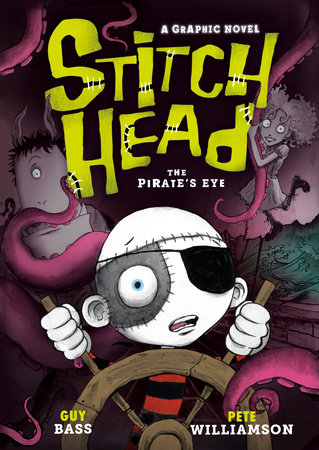
Stitch Head: The Pirate’s Eye: The Graphic Novel (Stitch Head Book 2) Guy Bass Illustrated by Pete Williamson RH Graphic, an imprint of Random House Children’s Publishing Published: July 21, 2026 Cover: 👻👻👻 Content: 👻👻 The title character is friendlier than he looks on the cover of this graphic novel adaptation of the chapter book series of the same name. Stitch Head, the caretaker of over 300 monsters, is tending to his master’s creations as usual when a mysterious letter arrives. His master, the Mad Professor Erasmus, is invited to receive a special award, and he leaves his laboratory. With nothing else to do, Stitch Head’s friends, Creature and Arabella, suggest they take inspiration from The Daring Diary of Dash Flashpowder and become a pirate. As Stitch Head finds himself a ship, a crew, and even a trusty critter companion, Pox the monkey-bat, he finds out the letter sent to his master was a cunning ruse made by Stitch Head’s arch nemesis, Fulbert Freakfinder. It’ll be up to Stitch Head and his plucky, janky crew of creatures plus human girl to save the day. Stitch Head: The Pirate’s Eye will entertain readers with the comedic and awesome action and dialogue as well as characters drawn with the very wide-eyed gothic heroines homaging a Tim Burton-esque style to captivate them into this frightful adventure at sea.
Chapter Books & Middle Grade Novels
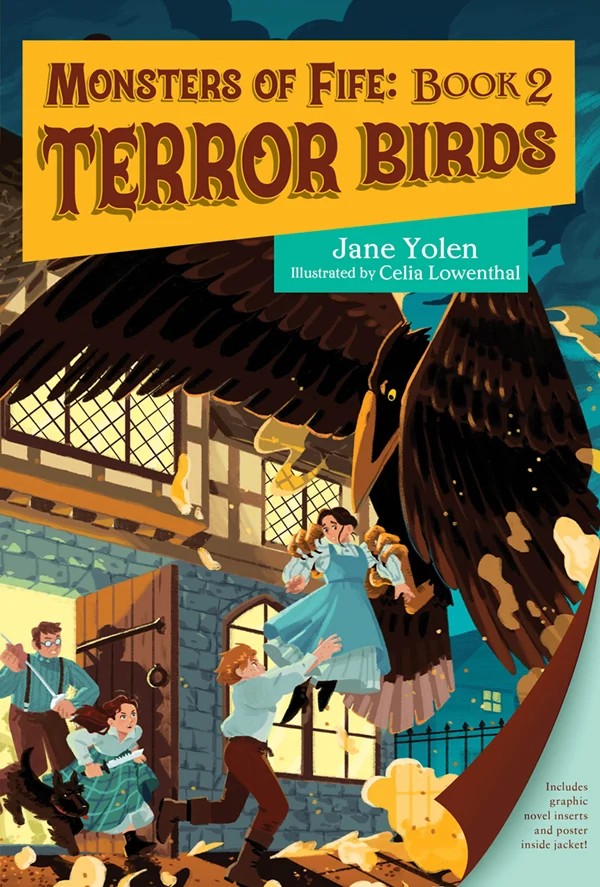
Monsters of Fife Book 2: Terror Birds By Jane Yolen Illustrated by Celia Lowenthal Charlesbridge Moves, an imprint of Charlesbridge Published: July 14, 2026 Cover: 👻👻 Content: 👻👻 The Royal & Ancient Monster Hunters are back facing another monster terrorizing the town of Fife. Seven months after their encounter with the sea dragon, Cat, Jaime, Callum, and Mr. Harris find themselves at odds with prehistoric birds the size of houses. Jaime’s father calls them the “terror birds” in his studies, and his nickname isn’t unfounded as their presence is threatening the Scottish town. With help from Cat’s new Black Hound, Soot, the gang must band together to save the town from the monsters in the sky. Full of startling close calls with danger, fans of the late Jane Yolen will enjoy the action-packed and charming Monsters of Fife Book 2: Terror Birds. This book also features graphic novel inserts and illustrations epically drawn by Celia Lowenthal.
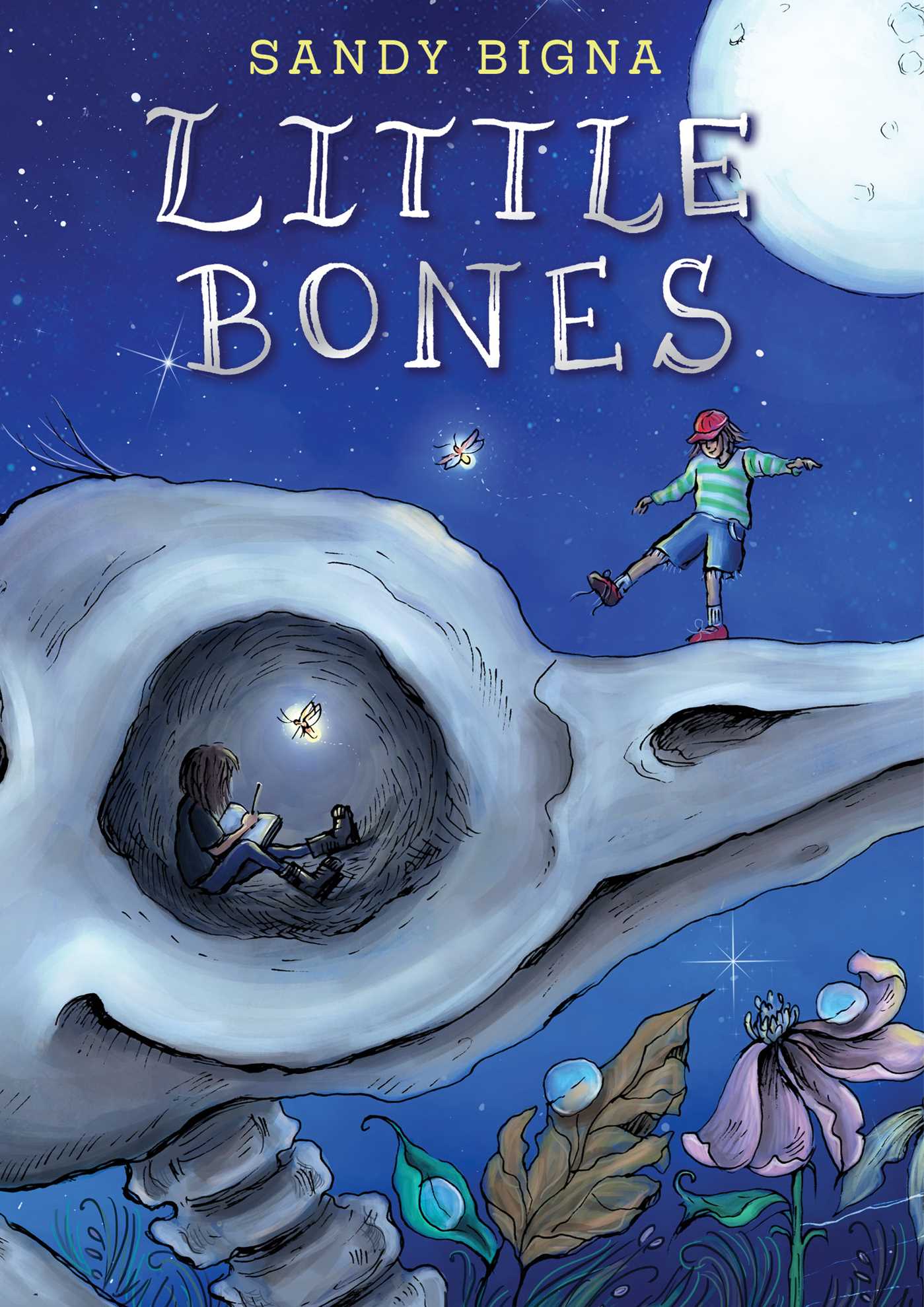
Little Bones By Sandy Bigna Simon and Schuster Books for Young Readers, an imprint of Simon & Schuster Children’s Publishing Published: July 14, 2026 Cover: 👻👻 Content: 👻👻 Eleven-year-old Bones wants nothing to do with anyone since her brother Nico’s unexpected death, but everything changes when she accidentally resurrects a baby bird skeleton under the full moon. She names him Bird. Bird wants to return to the way he was before, but Bones doesn’t know how to reverse the curse. To find the remedy, Bones reluctantly allows her neighbor, Terry, the chatty trash-digging new kid on the block, to help research how to break Bird’s curse. They soon discover Bones would need to make a wish during the next full moon to set Bird’s soul free. However, at the same time, Bones grows attached to Bird and doesn’t want him to leave. Just as time is about to run out, Bones eventually lets Bird go and allows her guilt and sadness that she held since Nico’s death to be released as well. Heartbreaking and emotionally grounded, Little Bones, a novel told in verse, will get readers emotionally invested in Bones finding closure in grief and breaking readers’ hearts.
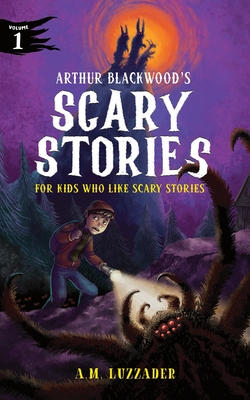
Arthur Blackwood Scary Stories for Kids Who Like Scary Stories Volume 1 By A.M. Luzzader Sourcebooks Wonderland, an imprint of Sourcebooks Kids Published: August 4, 2026 Cover: 👻👻👻 Content:👻👻👻 If readers enjoy Alvin Schwartz’s Scary Stories to Tell in the Dark and R.L. Stine’s Goosebumps, then Arthur Blackwood is the series for them. Arthur Blackwood invites readers into his lair to share with them his ever-growing collection of scary stories well assured to give whoever hears them bone chills! He turns down the light and invites the reader (you) to the edge of his fireplace, the best place for sharing such horrifying and weird tales. Once the reader ignores or accepts his warning, Blackwood tells eight grisly tales from various objects lying about on his second floor office, like a stuffed tarantula, a black iron suit of armor, and the crystal ball. Uncanny and peculiar, the stories and black-and-white freaky illustrations featured in Arthur Blackwood Scary Stories for Kids Who Like Scary Stories Vol 1 will haunt and horrify whoever chooses to read this book.
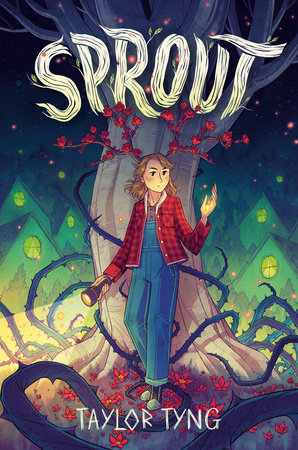
Sprout Taylor Tyng Random House Books for Young Readers, an imprint of Random House Children’s Books Published: March 24, 2026 Cover: 👻 👻 Content:👻👻👻👻 Scarlet Posy Rose Oleander Ursinia Thistle Sprowder, or Sprout for short, spent most of her life hidden away in fear of what others would say if they saw the antlers growing on her head. Then she reads a story in The Clipper, the local paper, concerning a sighting of another person with antlers, just like Sprout. She decides to escape hiding and seek the mystery person out. In her search, she finds and befriends another societal oddball, E.B. Shaw, a son of the local billionaire, who also has a special interest in cupcakes and has ‘wandering episodes.’ As they search for the mysterious antlered person, Sprout and E.B. quickly realize something more sinister is afoot. Dr. Leo Penzig and his minions are on the hunt for antlered people as well, to study and experiment on them. Sprout, E.B., and Tess, the antlered person featured in The Clipper, are determined to foil the doctor’s insidious plot by uncovering the dark and dreadful secrets that plagued Tolsbury. Perhaps in doing so, the trio will get the chance to live out in the open instead of in confinement. Taylor Tyng brings intense scenes guaranteed to terrify readers to their core, but the main character’s newfound optimism, though often tested, is contagious. Sprout is a heavy but hopeful read about finding not only the courage to be true to one’s self but also friendships that can help overcome perilous dilemmas and extraordinary challenges.
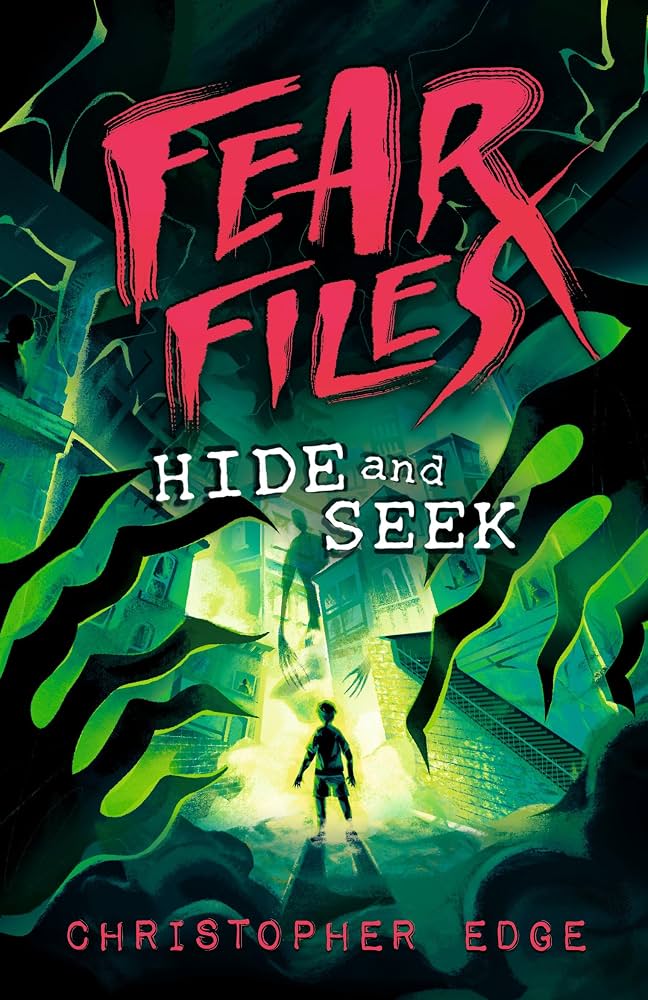
Fear Files: Hide and Seek (Fear Files Book 1) By Christopher Edge Candlewick Press Published: July 14, 2026 Cover: 👻👻👻👻 Content:👻👻👻 Adam was having a terrible time at his outdoor sleepover with his best friend, Sol, and then the two friends stumbled on Apodidraskinda, a ghost town in the middle of the woods. An innocent game of hide and seek turns dangerous when Adam finds a group of children desperately hiding from a looming, shadowy figure known as the “Itter.” If he finds someone, that person is swallowed up in his shadow and is later recruited to find the others still in hiding. All versions of “hide-and-seek” are played at once, and the game doesn’t end until one person remains. Now it’s a race against time and the shadows as Adam tries to survive the deadly game and find Sol. The post-it note commentary from the Fear Files team interspersed in Adam’s narrative and pieces of encyclopedia entries, newspaper clippings, and random transcriptions left by the “Itter” resemble an investigative atmosphere to this middle-grade chapter book. Full of suspense and thrilling action, Fear Files: Hide and Seek will have readers hanging at the edge of their seats, waiting to see if Adam will get out of his predicament alive.
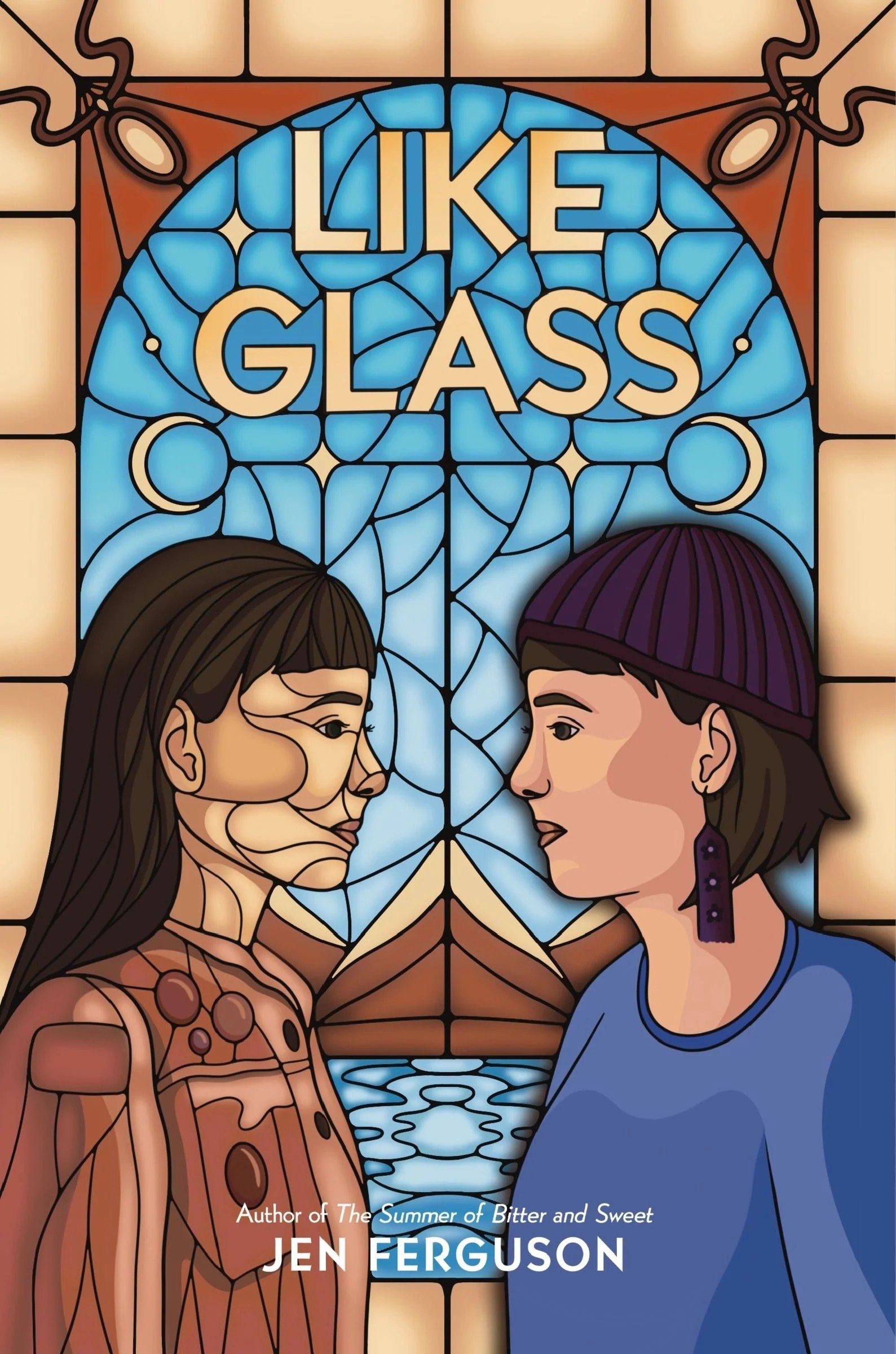
The teenage years are a challenging and exhilarating whirlwind of change. As teens take on new responsibilities and define who they are, they may discover that their personal values do not align with their family’s values. Through authentic portrayals of this complex stage, books can offer guidance while creating opportunities to practice empathy and conflict resolution skills. This week, we included titles from our teen fiction collection featuring teenage protagonists navigating generational trauma, immigration, teen parenthood, grief, and estranged family members. Our Pick of the Week, Like Glass by Jen Ferguson, follows the journey of sixteen-year-old Tatum “Tate” Nova Lambert as she travels to Chamonix, France to reconnect with her father, whom she hasn’t spoken to since her sister’s death. When he fails to pick her up at the airport, Tate quickly realizes that healing her family won’t be easy. As she confronts painful memories, forms new relationships, and experiences new waves of grief, Tate must decide if she can forgive her father and let go of the past.
Check out more family-focused teen fiction books below:
Like Glass Jen Ferguson HarperCollins Children’s Books/Heartdrum Available now!
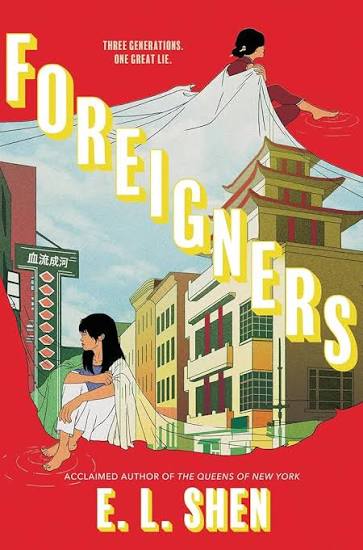
Foreigners E.L. Shen HarperCollins Children’s Books/Quill Tree Books Available now!
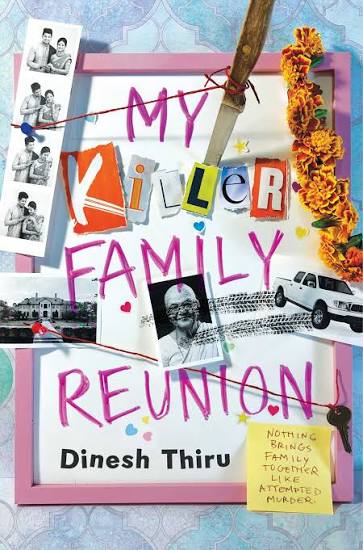
My Killer Family Reunion Dinesh Thiru Simon & Schuster Children’s Publishing/Atheneum Available now!
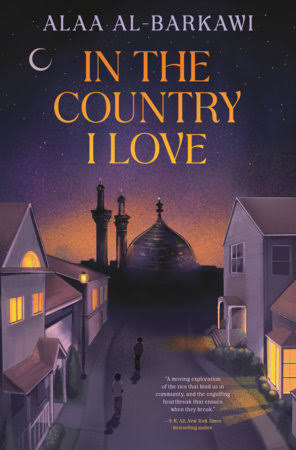
In the Country I Love Alaa Al-Barkawi Peachtree Publishing Co/Peachtree Teen Available now!
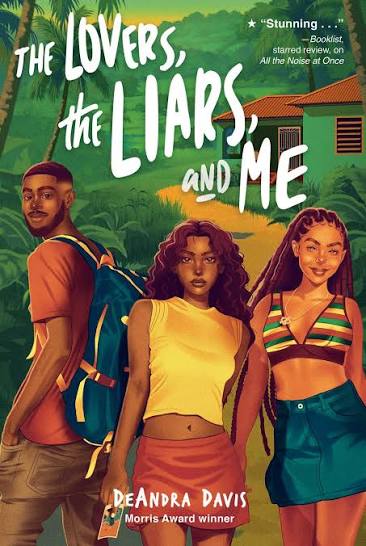
The Lovers, The Liars, and Me DeAndra Davis Simon & Schuster Children’s Publishing/Atheneum Available now!
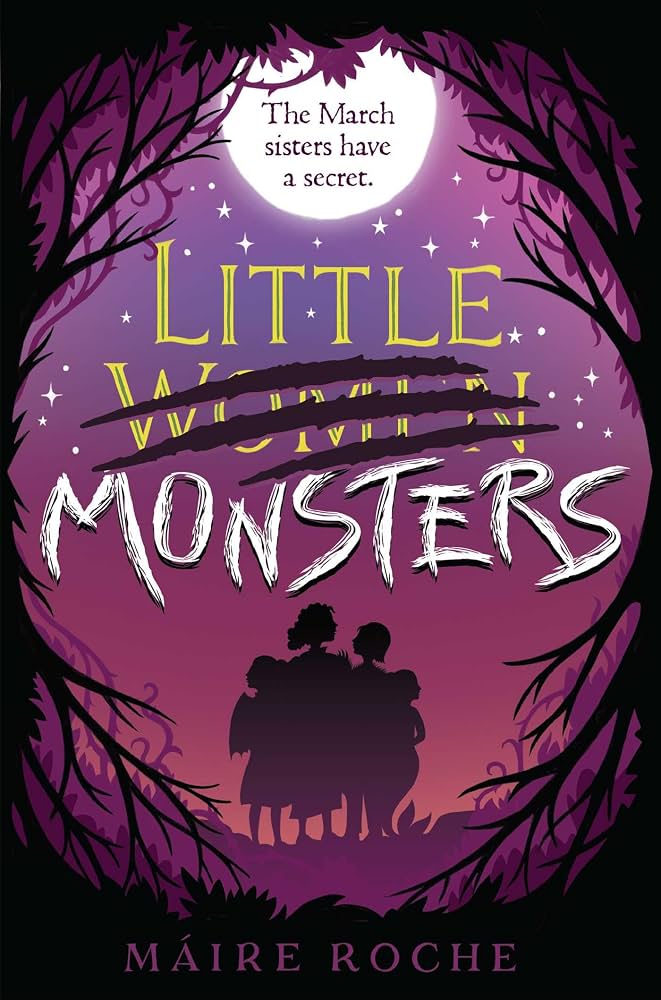
With October around the corner comes the creepy, kooky, mysterious, and spooky season known as Halloween. There are at least two kinds of scary in youth literature. Some books feature uncanny but cute stories and characters, that make the season less scary, especially for younger readers. The middle-grade novels featured in this week’s Butler Bookshelf lean more toward eerie, unsettling, and downright frightening. This week’s feature pick is a new adaptation of Louisa May Alcott’s classic novel Little Women: Little Monsters by Máire Roche. Meg March and her younger sisters, Jo, Beth, and Amy, have more to worry about than being children in foster care. The March sisters are monsters. To make matters worse, a mysterious creature has been terrorizing their new town, and Meg can’t always remember where she is when she transforms. Will the March sisters find their way while still keep their real identities a secret, or will it all come crashing down?
Check out this and other monstrous titles:
Little Monsters Máire Roche Simon & Schuster Children’s Publishing/ALADDIN Available now!
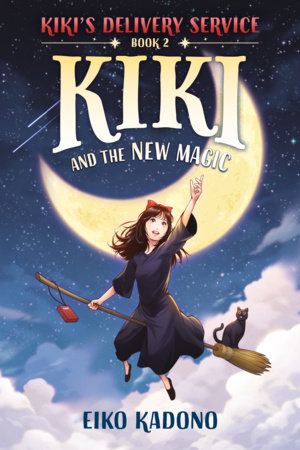
Kiki and the New Magic (Kiki’s Delivery Service Book 2) Eiko Kadono Random House Children’s Books/Delacorte Press Available now!
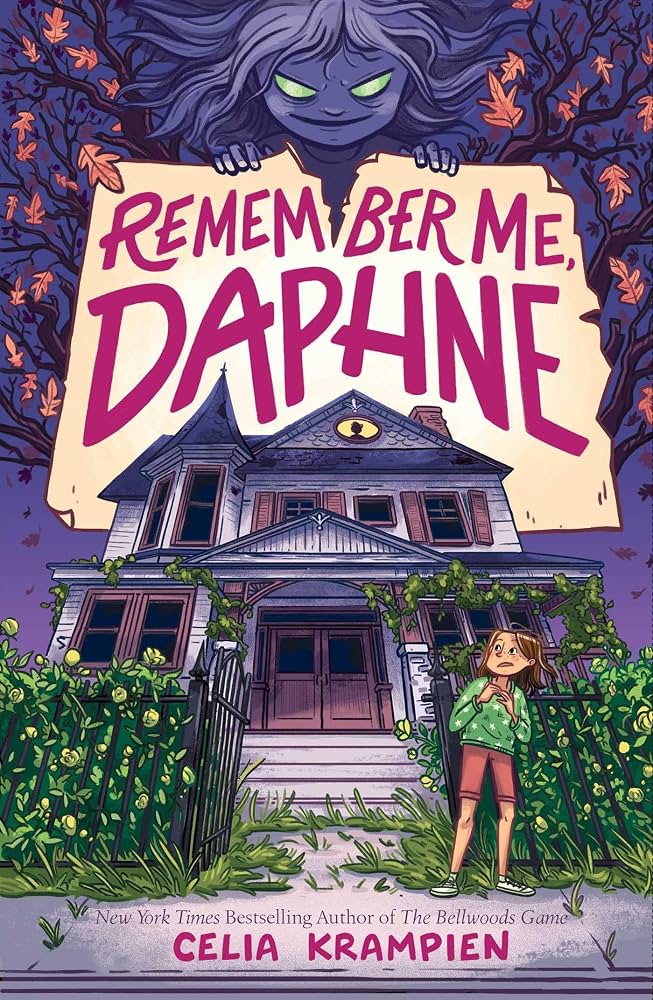
Remember Me, Daphne Celia Krampien Simon & Schuster Children’s Publishing/Atheneum Available now!
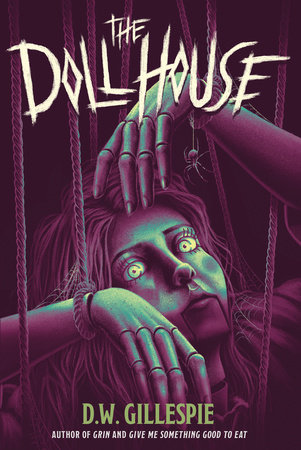
The Doll House D.W. Gillespie Random House Children’s Books/Delacorte Press Available now!
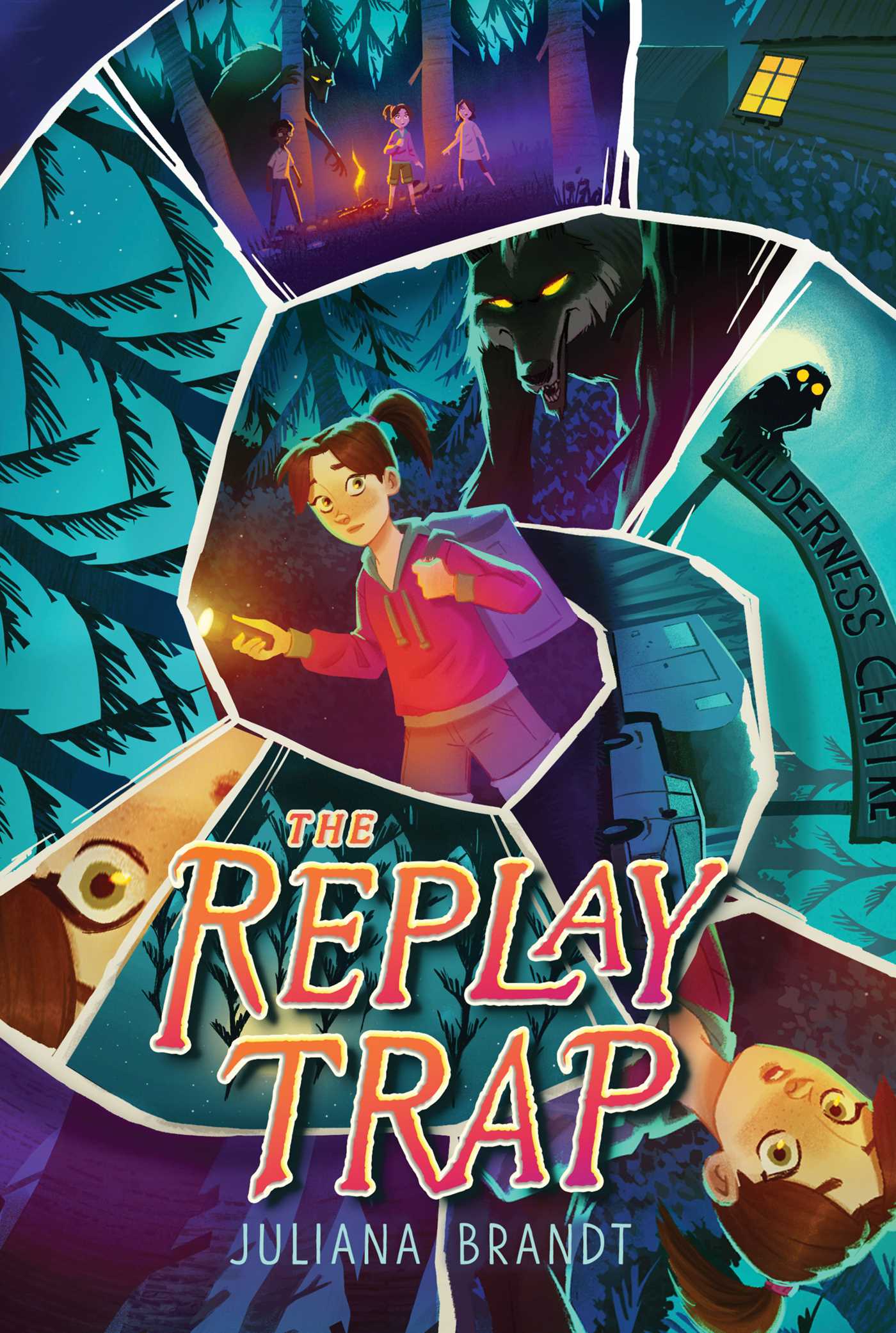
The Replay Trap Juliana Brandt Simon & Schuster Children’s Publishing/ALADDIN Available now!
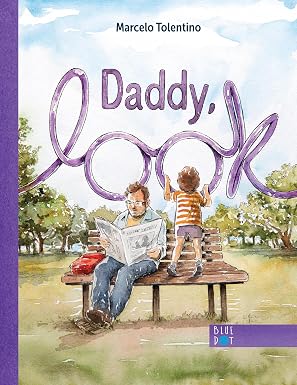
Daddy, Look! Marcelo Tolentino Translated by Rahul Bery Blue Dot Kids Press Ages 3-6 Available January 26. 2027
On a walk home with his dad, a little boy is fascinated by all the things he sees – a tightrope walker, an alien spaceship, and even a pair of gnomes! But his dad barely looks up from his phone, dismissing each of the things he calls out. Until the boy finally gets his dad to look with a child’s eyes and see the wonders around them.
Tolentino’s story uses simple phrases and gorgeous, jam-packed watercolor-style illustrations to tell the story at hand. The boy’s fantastical interpretations of the world on one page are contrasted with his father’s grounded view of reality (sandwiched in the dimensions of a phone screen) on the other, until they finally see eye to eye and fantasy takes over entire two-page spreads.
A playful homage to imagination with pictures readers can explore, Daddy, Look! has the potential to appeal to any child who enjoys imaginitive play.
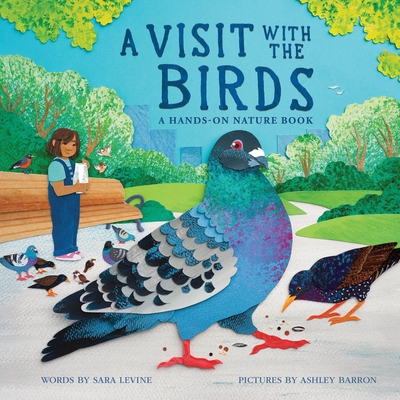
Nature is omnipresent and can be fun to interact with, especially for young children. Reading books about nature can introduce young readers to the wonders of the great outdoors, which is why we’re featuring nature literature from our nonfiction collection! This week’s feature pick is A Visit With the Birds: A Hands-On Nature Book by Sara Levine and illustrated by Ashley Barron. In this picture book, a child and their parent go to the park to feed and look at the birds that inhabit the city park. Young readers can point at which birds or other creatures they find on the pages. There is also a page spread that encourages readers to take a moment to move and make bird sounds. At the back of the book, there’s end matter about all the birds featured in the illustrations.
Check out this and other nature titles!
A Visit with the Birds: A Hands-on Nature Book Sara Levine Illustrated by Ashley Barron Sourcebooks Kids/sourcebooks eXplore Available now!
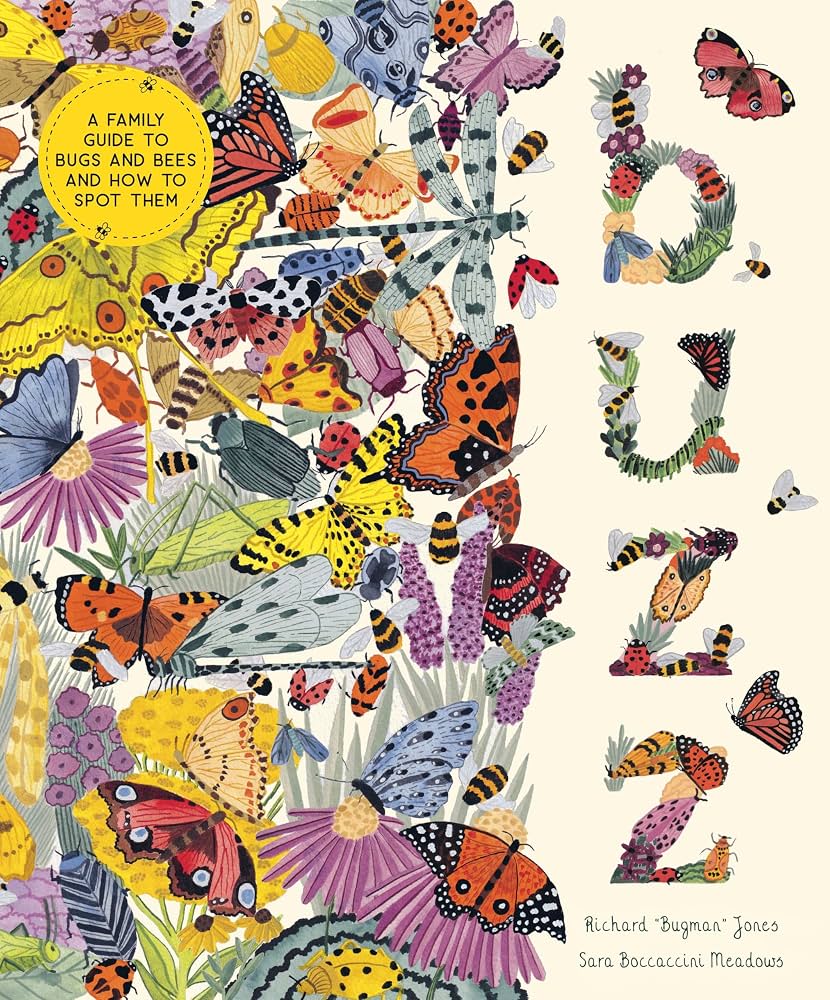
Buzz: A Family Guide to Bugs and Bees and How to Spot Them Richard “Bugman” Jones Illustrated by Sara Boccaccini Meadows ABRAMS/Magic Cat Publishing Available now!
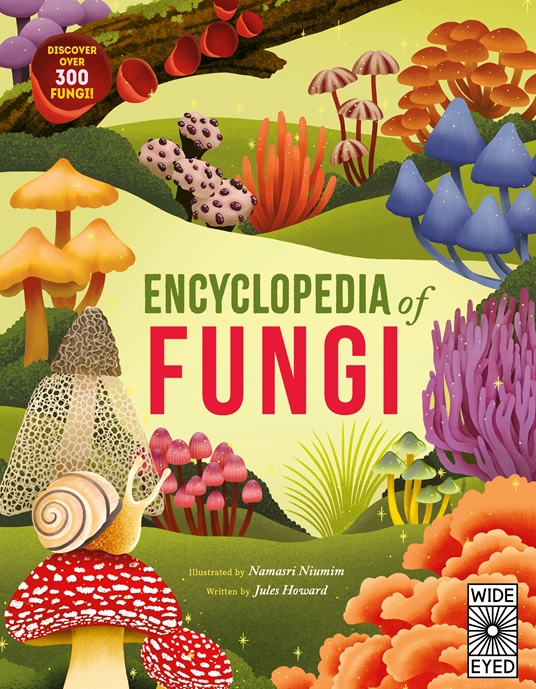
Encyclopedia of Fungi Jules Howard Illustrated by Namasri Niumin The Quarto Group/Wide Eyed Productions Available now!
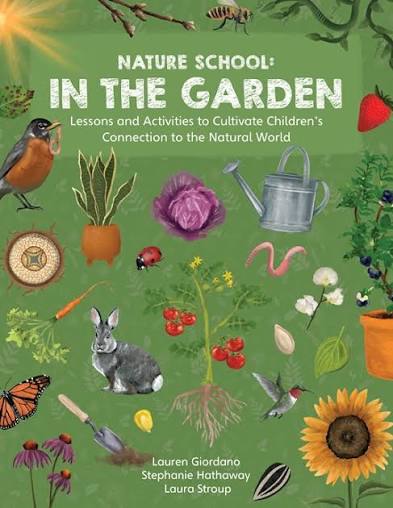
Nature School: In the Garden: Lessons and Activities to Cultivate Children’s Connection to the Natural World Lauren Giordano, Stephanie Hathaway, and Laura Stroup The Quarto Group/Quarry Books Available now!
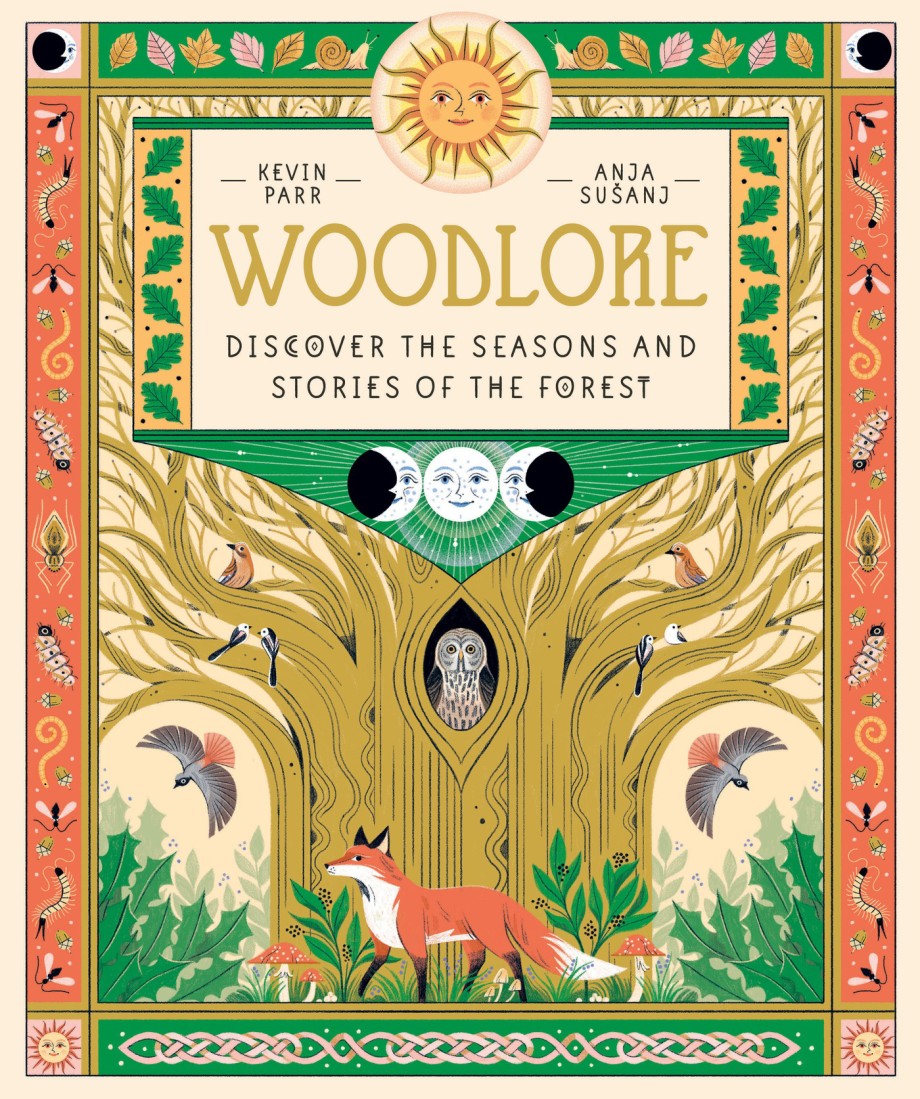
Woodlore: Discover the Seasons and Stories of the Forest Kevin Parr Illustrated by Anja Sušanj ABRAMS/Magic Cat Publishing Available now!
Sheba the Alley Cat Lauren Fornoles Illustrated by Natalia Gubanova Little Leaflet Press Ages: 4+ Available: October 6, 2026
When Sheba, a black cat, sees a job opening in the Meow Times for a ‘friend and travel companion’ for Hilda Broomwick (who seems nice and is totally not a witch), she finds an opportunity to see the world outside her humdrum alley. She packs her things and makes her way to the address listed in the paper: a house covered in cobwebs and has only one lit window. Despite her lack of travel experience, Sheba’s enthusiasm and bone-collecting skills might land her the job of a lifetime. Natalia Gubanova’s use of dark blue sky, pumpkins outside Hilda’s house, bats flying all over the place, and Hilda’s overall witchy appearance create a gentle Halloween theme. The hand-drawn look of Gubanova’s digital illustrations and muted colors generate a serene and charming atmosphere. Lauren Fornoles’s positive phrasing about Sheba’s excitement for the job complements Gubanova’s cute-spooky drawings. When Sheba reads “Welcome” near the front door, she fails to see the bottom text that reads, “if you dare,” creating depth to the story’s humor. The underlying message of being appreciated for one’s unique traits adds an emotional layer to the otherwise whimsical text. Sheba feels discouraged when she tells Hilda she hasn’t had a lot of travel experience. However, when Hilda mentions she needs special bones for her spells, Sheba realizes she can make a personal contribution, and her confidence returns stronger than ever. In short, Sheba the Alley Cat is a sweet seasonal story with a dash of social emotional learning, great for a Halloween collection or story time.