Welcome to the online presence of the Butler Children's Literature Center, housed in Dominican's SOIS (Crown Library room 214). Here, we celebrate the best in books for youth and those who delight in sharing them. For Summer 2025, BCLC will offer collection access to the Dominican community and general public during posted open hours: Tuesday and Thursday 9am to 4pm, Wednesday noon-4pm, Friday 9am-5pm and by appointment with the Curator. Contact Jen Clemons at jclemons@dom.edu to make arrangements or you can still reach us at butler@dom.edu.
It’s time for some new teen fiction! Our collection has a wide variety of young adult novels covering genres like fantasy, thriller, romance, and everywhere in between. In The Word, Mary G. Thompson introduces us to the world of cults, where 16-year-old Lisa faces a decision between the familiar or something new. After her father kidnapped her 9 years ago to live in a cult, Lisa has adjusted to the gender expectations, religious beliefs, and modest lifestyle of the group. She spends her days preaching “the Word” and hasn’t seen the rest of her family since she was a child. But when the police disband the cult, Lisa returns to her mother in Oregon, where life is completely different, and maybe more freeing, than what she is used to. In this adventurous, coming-of-age novel, readers will question beliefs alongside Lisa as they follow her through the decision of whether to escape back to the life in a cult or continue to explore who she could be with the opportunity to make her own choices.
Check out more of our newer teen fiction novels below!
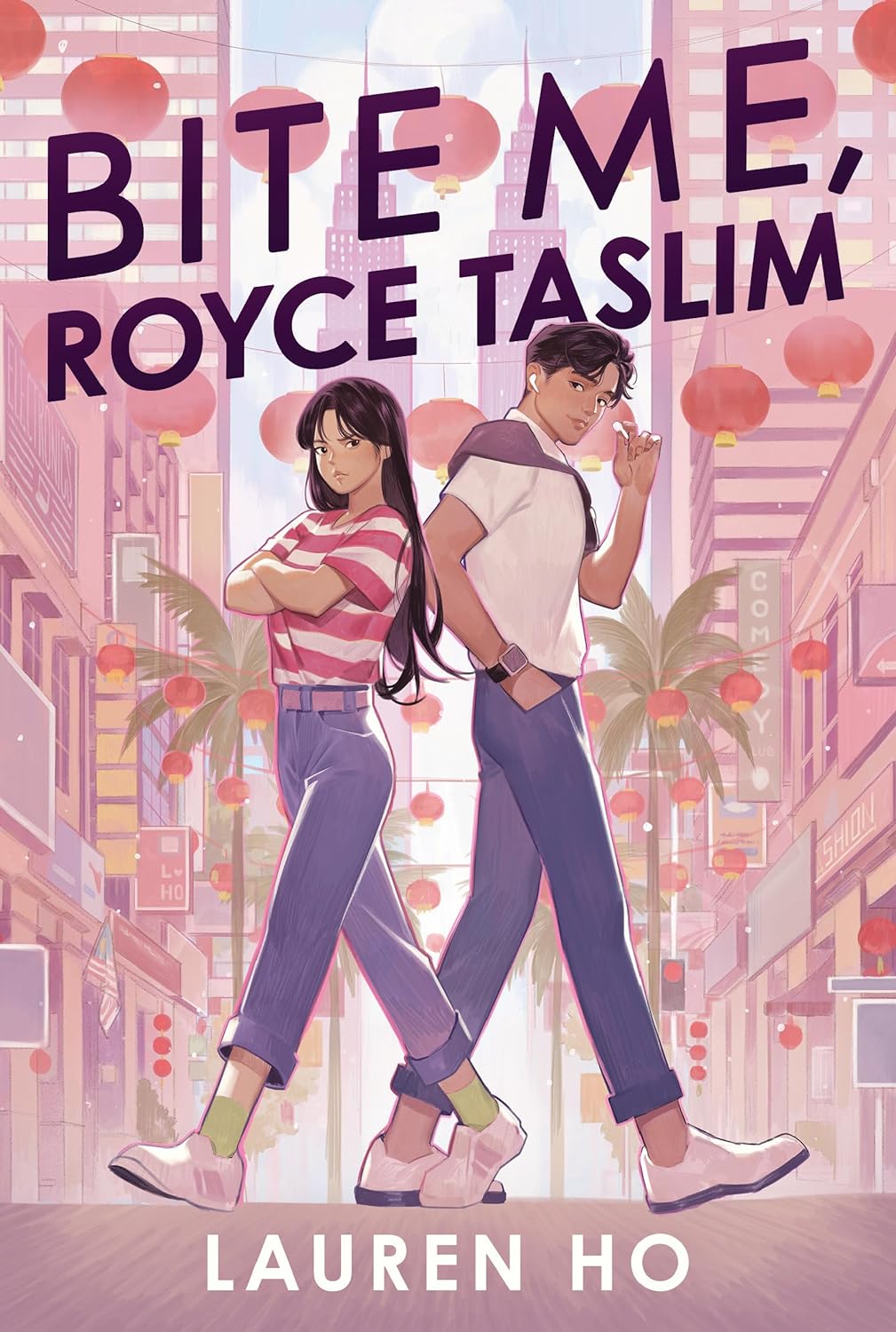
Bite Me, Royce Taslim Written by Lauren Ho Published by Disney Hyperion Available now
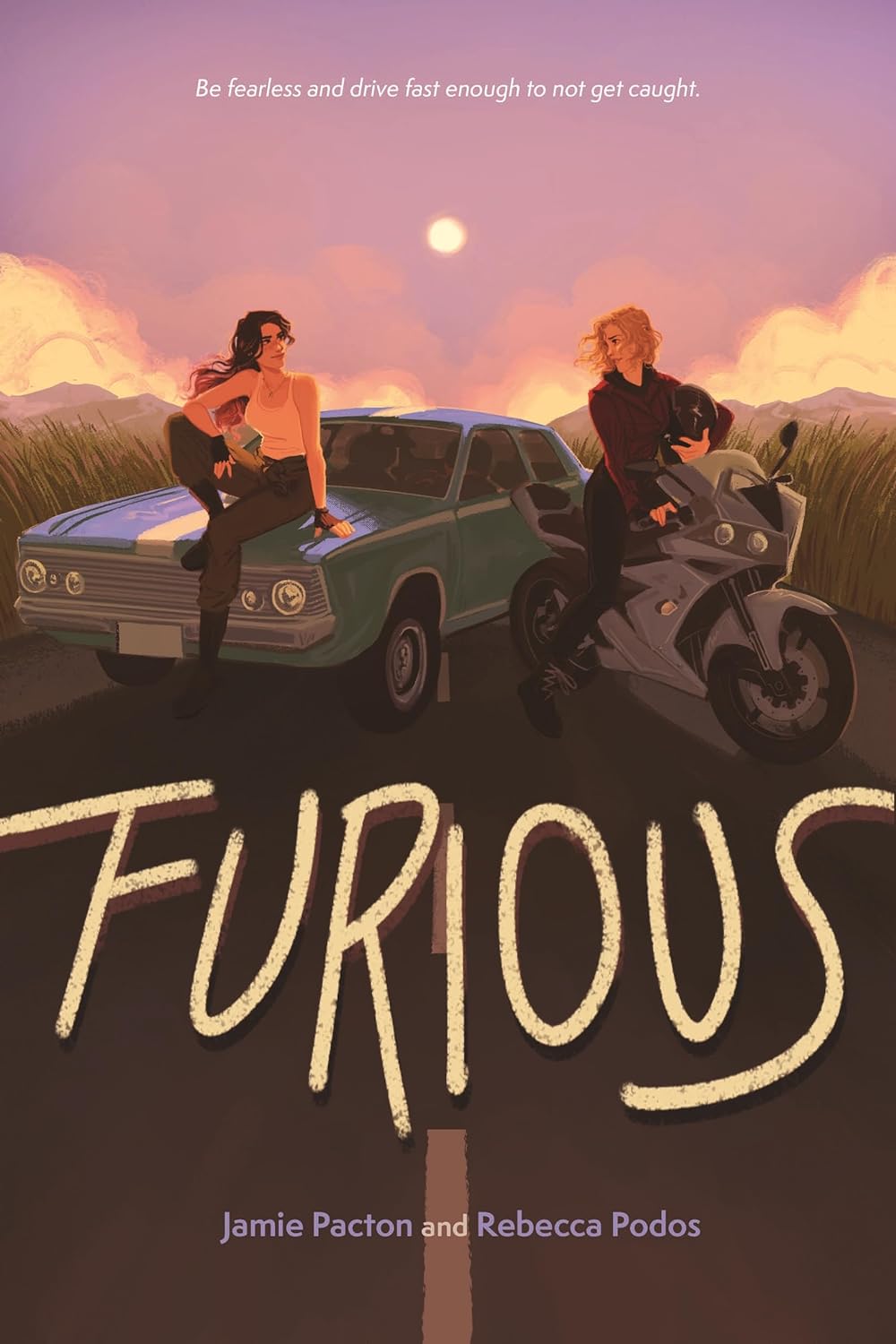
Furious Written by Jamie Pacton and Rebecca Podos Published by Page Street YA Available now
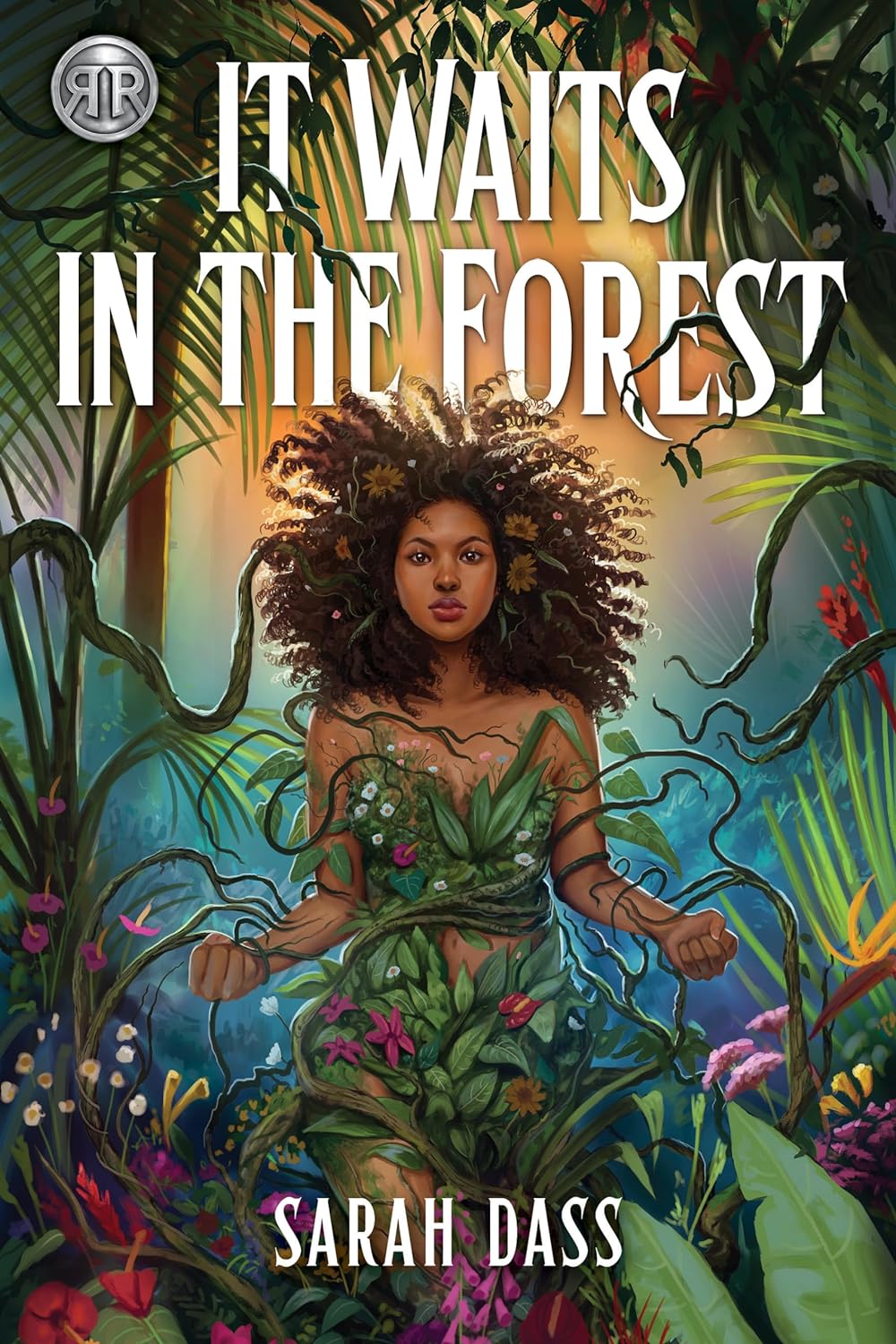
It Waits in the Forest Written by Sarah Dass Published by Hyperion Available now
King of Dead Things Written by Nevin Holness Published by Atheneum Books for Young Readers Available now
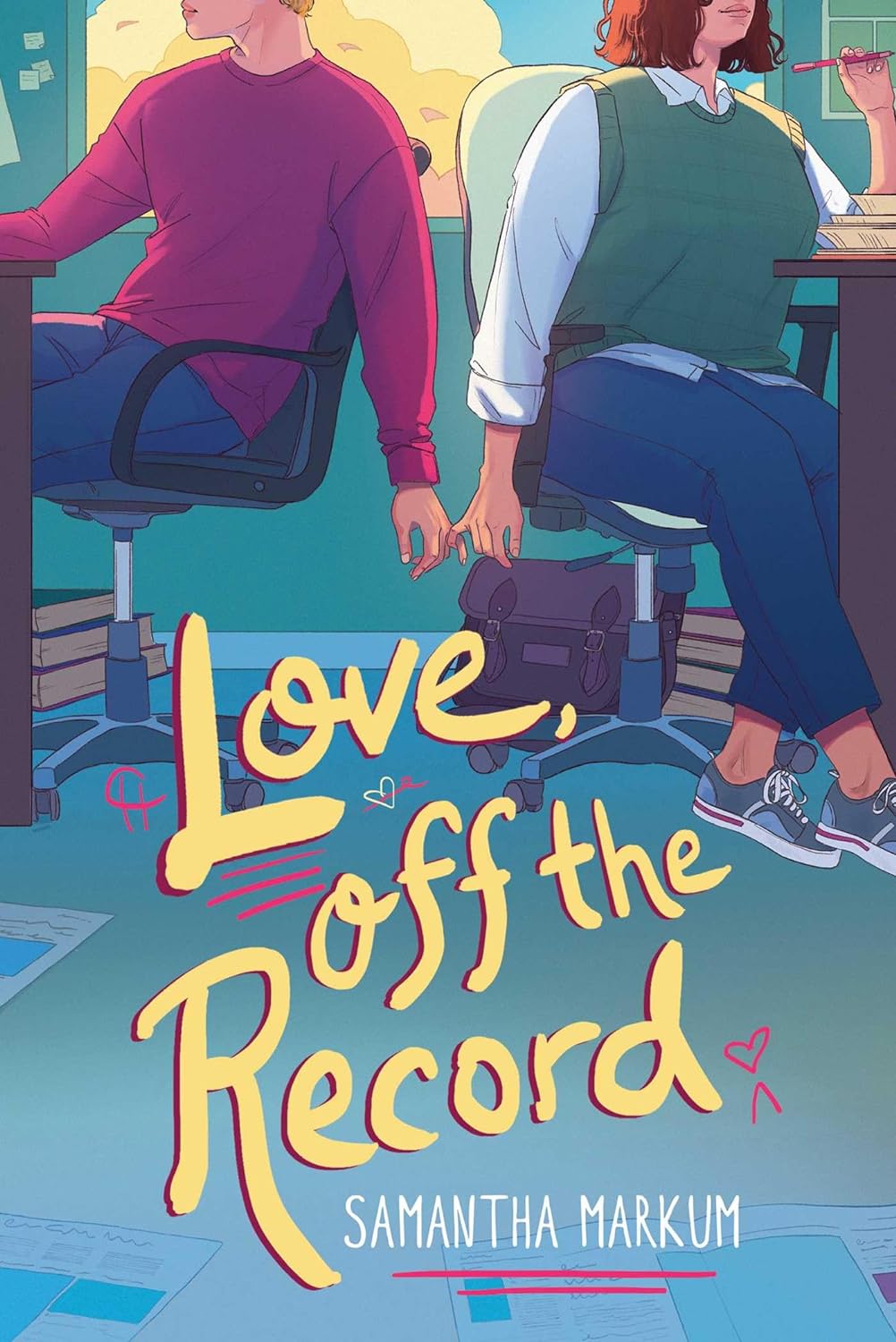
Love, Off the Record Written by Samantha Markum Published by Margaret K. McElderry Books Available now
The Word Written by Mary G. Thompson Published by Page Street Publishing Available now
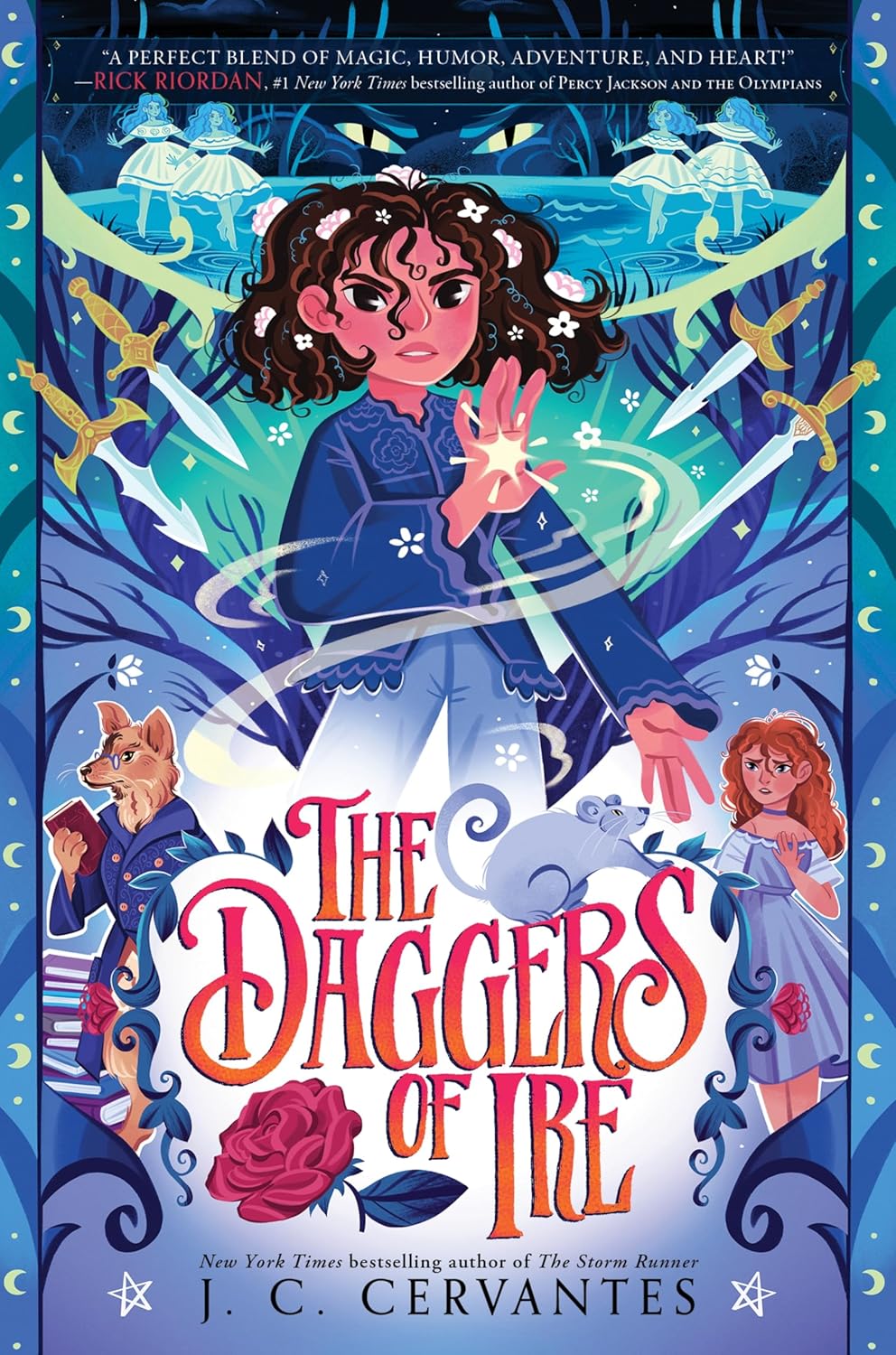
The Daggers of Ire J.C. Cervantes HarperCollins/Balzer + Bray September 3, 2024 Ages 8-12
In this powerful coming of age story, Esmerelda Santos learns how her love for her family can help her believe in herself and save them from a fate worse than death. Esme lives in San Bosco with her family as they try to navigate life after the death of their beloved wife and mother two years prior. As a direct descendant of the original witches, or brujas, Esme possesses Chaos magic, which is dangerous and strictly forbidden. However, Esme is determined to save her father from his grief, even if it means using her magic. Before she can, all the brujxes are kidnapped by a witch hunter. Esme and her best friend, Tiago, are left and embark on a quest to find out who the witch hunter is. Travelling through magical realms and befriending a cursed fox along the way, Esme searches for the original witches to find a way to save her family, learning along the way that love is “bigger than […] magic” (pg. 341).
With rich imagery inspired by the Latine myths she grew up hearing, J.C. Cervantes crafts a world of magic, perseverance, and love. Cervantes’s love and appreciation for her Latine heritage and culture shines through, creating an immersive world. By incorporating Mayan and Aztec mythology, Cervantes creates a fresh new mythology for readers to explore without feeling overwhelmed. Cervantes develops Esme’s world in a way that is easy to digest as Esme learns new truths about her history, family, and herself piece by piece. Using riveting language and imagery, Cervantes creates strange and beautiful realms for Esme to travel through and Spanish phrases and words to connect back to the Latine roots of the story. The themes of sisterhood and the power of love over hate prove to be compelling motivators in both the plot and Esme’s character development as she uses her love for her family to unlock her true magical potential.
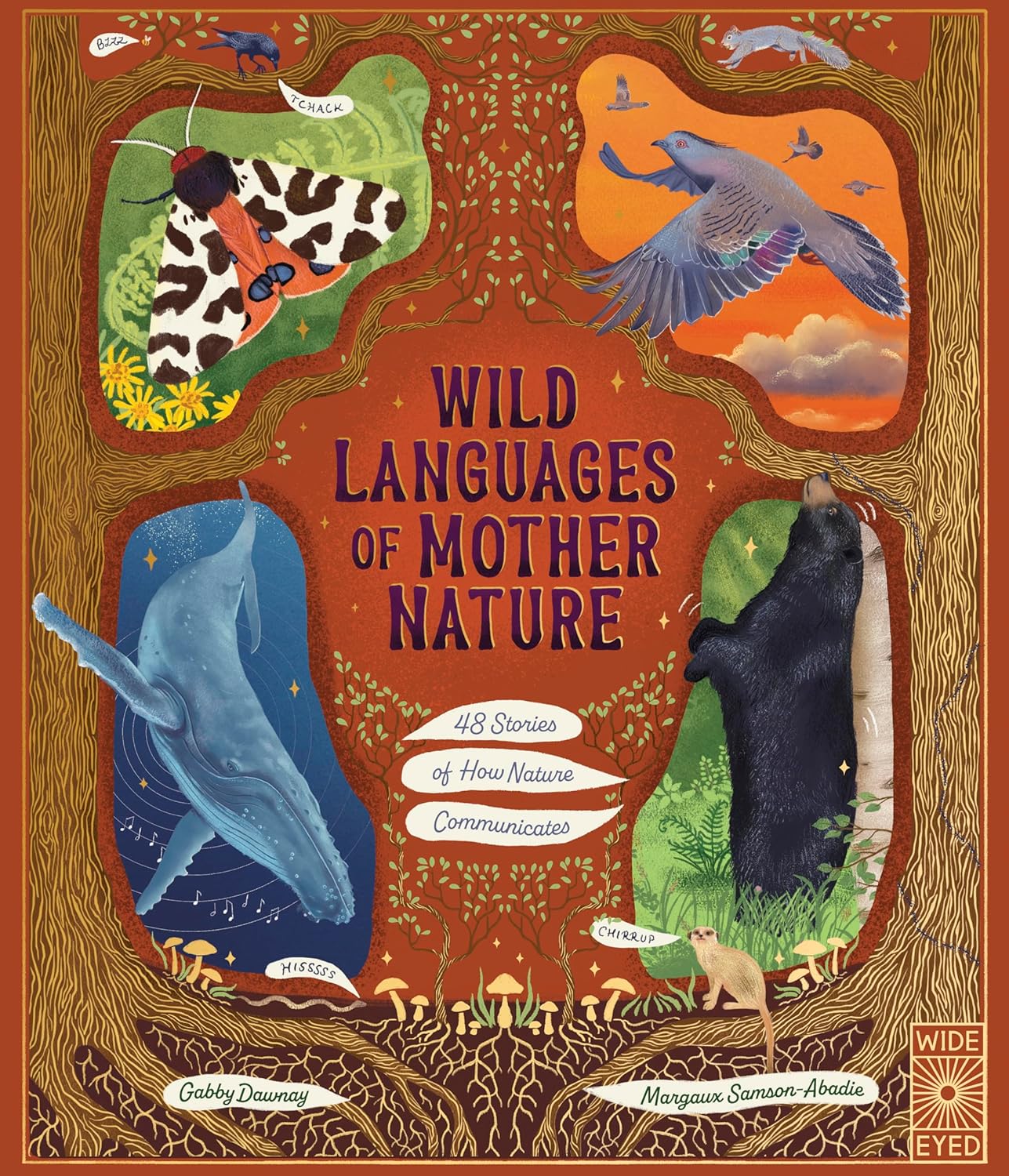
Have you ever wondered how animals communicate with each other? In Wild Languages of Mother Nature: 48 Stories of How Nature Communicates, Dawney explores the verbal, and non-verbal, communication of a wide variety of species. Each two-fold spread focuses on one species, such as the Egyptian fruit bat, Caribbean reef squid, and even plants like the black walnut and grass. Samson-Abadie provides detailed but engaging and humorous illustrations to bring readers’ eyes across the page and learn about how these species speak to each other. For instance, the fruit fly uses vibrations of their wings to signal to other flies, the white-spotted pufferfish creates mandala-like patterns in the sand to call mates, and Dawney even explains how this summer’s all-too familiar cicadas make their powerful buzzing sound using the muscles in their abdomen. The combination of informative, digestible text with text bubbles that provide funny commentary from the featured animals gives readers insightful knowledge about both animals and communication that is sure to spark curiosity.
Check our more of our nonfiction collection on animals below!
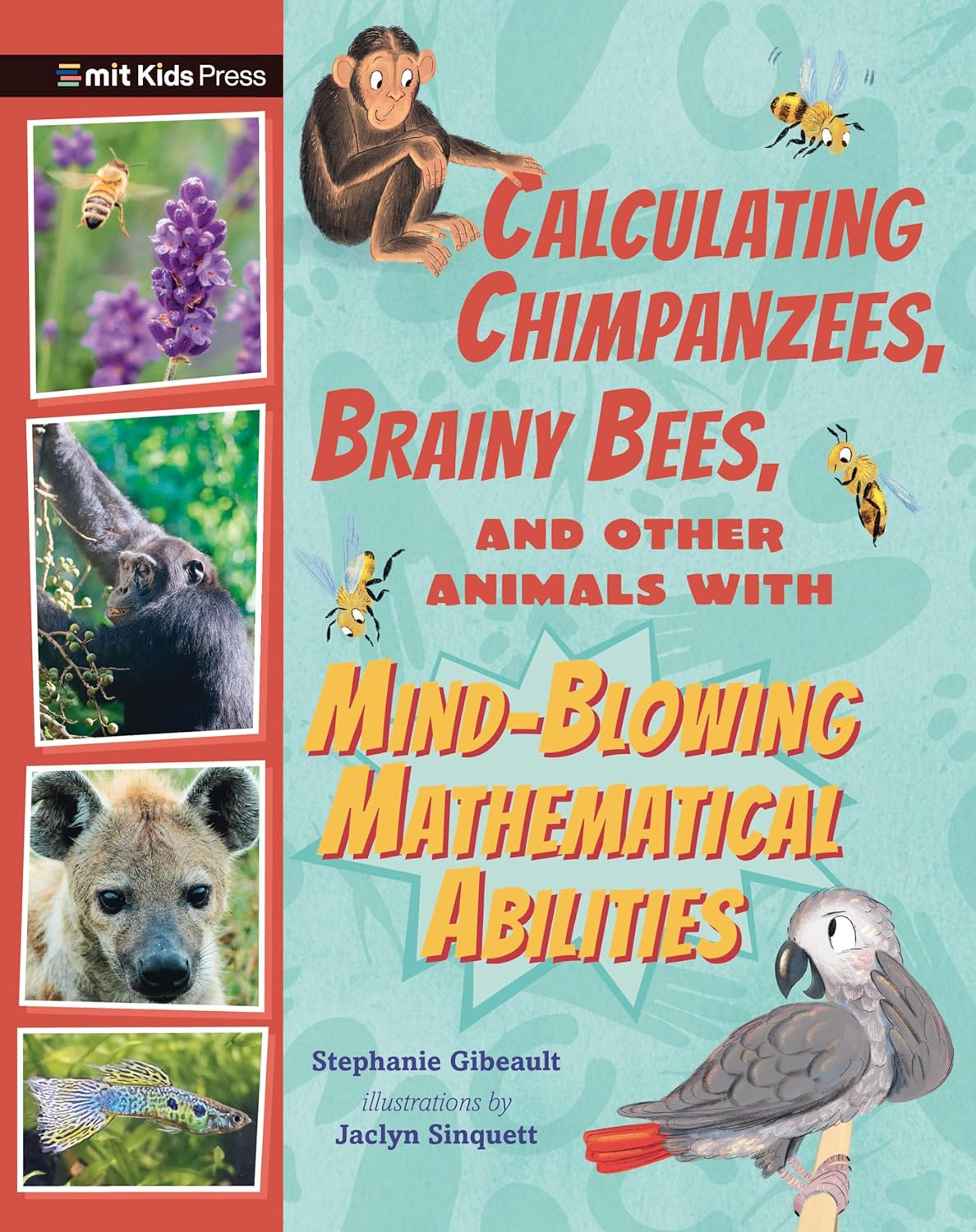
Calculating Chimpanzees, Brainy Bees, and Other Animals with Mind-Blowing Mathematical Abilities Written by Stephanie Gibeault Illustrated by Jaclyn Sinquett Published by MIT Kids Press Available now
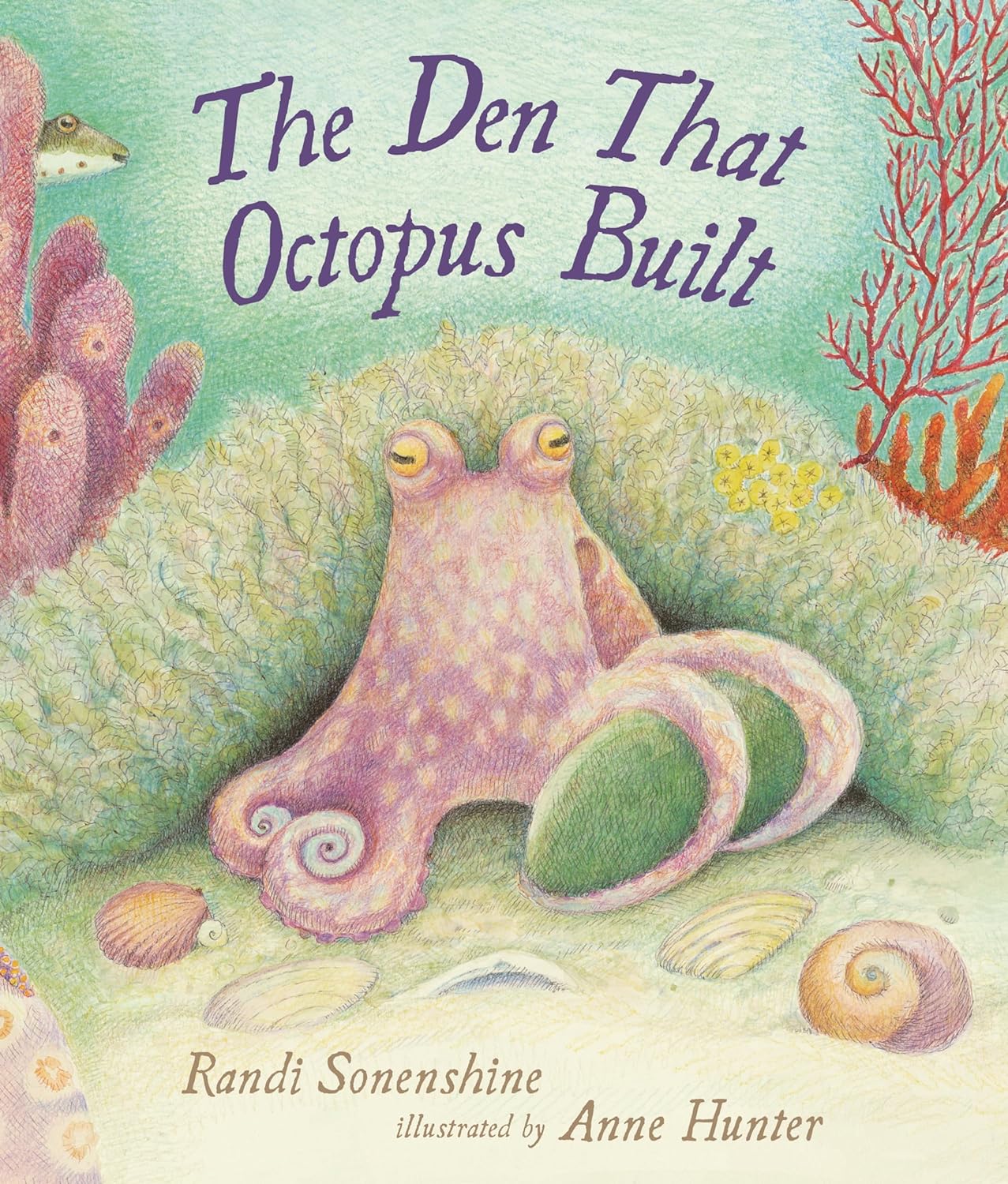
The Den That Octopus Built Written by Randi Sonenshine Illustrated by Anne Hunter Published by Candlewick Press Available now
I Was: The Stories of Animals Skulls Written by Katherine Hocker Illustrated by Natasha Donovan Published by Candlewick Press Available now
Super Swifts: Small Birds with Amazing Powers Written by Justin Anderson Illustrated by Clover Robin Published by Candlewick Press Available now
Superdads!: Animal Heroes Written by Heather Lang and Jamie Harper Illustrated by Jamie Harper Published by Candlewick Press Available now
Wild Languages of Mother Nature: 48 Stories of How Nature Communicates Written by Gabby Dawnay Illustrated by Margaux Samson-Abadie Published by Wide Eyed Editions Available now
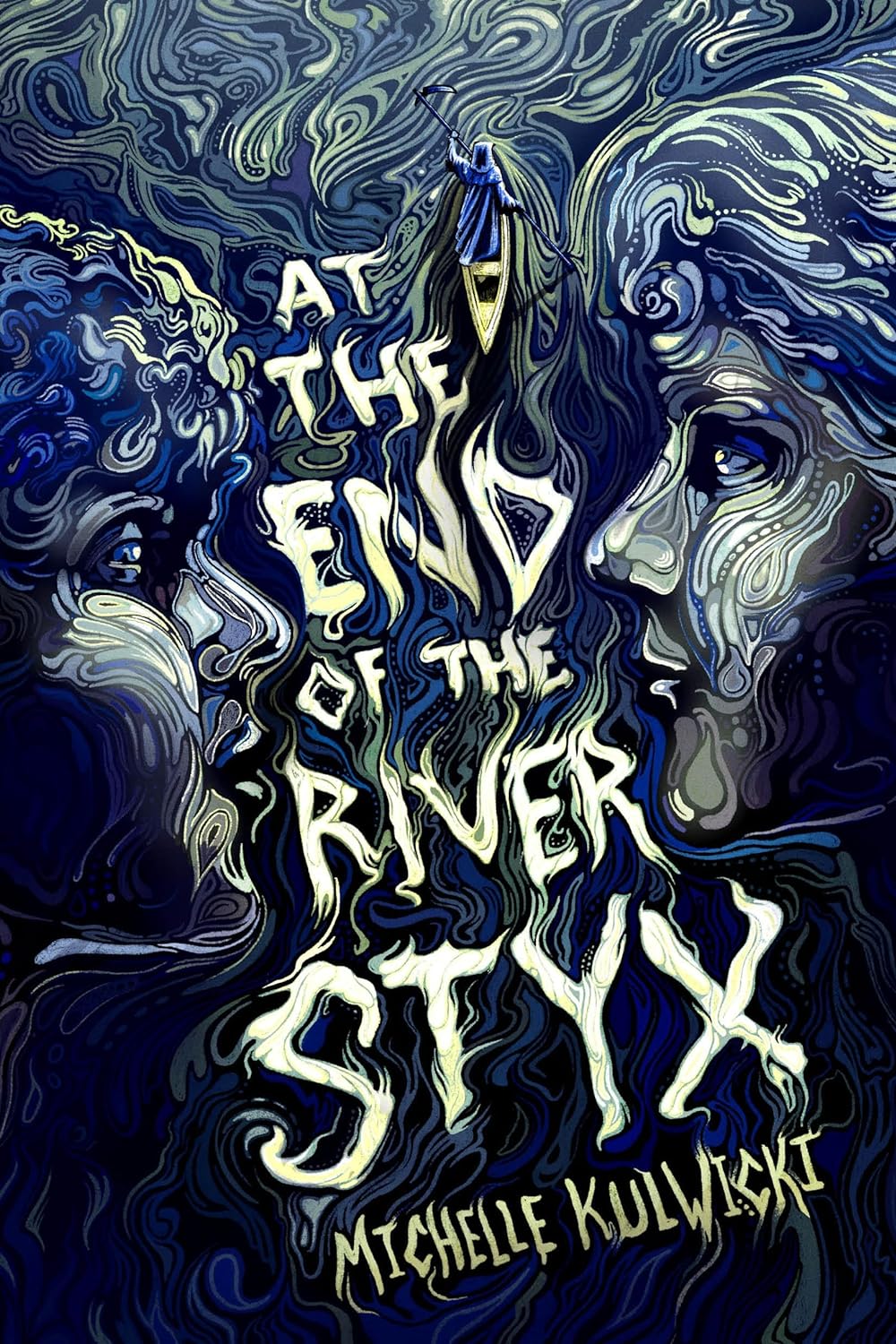
At the End of the River Styx Written by Michelle Kulwicki Page Street YA Ages 14-18 Available September 24, 2024
Bastian is a cinnamon gum-loving, directionless, nightmare-ridden senior in high school trying to survive after a truck collided with his car one year ago, sparing him and his twin brother Dorian but not their mother. He is 6 months away from graduating high school, but he can’t seem to focus on classes. Instead, he spent the life insurance money from his mother’s death on a decrepit bookstore, to the dismay of his high-achieving, responsible brother and their fiercely loyal friends, Riley and Mathais. Meanwhile, Bastian visits a mysterious place in his nightmares that readers quickly identify as purgatory, or River Styx. In this “in-between,” 18-year-old Zan carries out his 500-year sentence serving the Ferryman, the Greek god who swallows souls stuck between life and death. As Bastian’s grief grows and his visits to River Styx become more frequent, he spends more time with Zan, who can’t seem to lead Bastian to his death. Their relationship soon blooms into a heartwarming, flirtatious young love that reminds Bastian of his will to live, fix his bookstore, and be there for his brother and friends. Zan ultimately sacrifices himself for Bastian in a heartbreaking yet beautiful ending.
In Kulwicki’s first full-length novel, she turns a devastating situation into a story of hope, love, and honor. Using light Greek mythology, she creates an alternative world of River Styx and lost soul’s memories without overpowering readers who are unfamiliar with these stories. The relationship-driven plot between Bastian and Zan builds steadily throughout the novel with an even pace that quickens towards the end. Kulwicki showcases her strong characterization skills, creating lovable, distinct characters with witty banter that balances the gravity of death, grief, and depression. Although Bastian’s romantic love for Zan is a large factor in coping with his grief, it is not the sole reason for Bastian’s healing. Kulwicki’s also makes sure to center the important role of Bastian’s support system in his friends and brother and passion for books. In addition to the serious themes of death, the novel contains scenes with drugs and lightly alludes to sex and suicide. This novel radiates acceptance and love, engages readers in a gripping plotline, and gives readers hope in the face of dark times.
Everyone has a story that makes them unique. Reading about other people’s stories can be fun, fascinating, and educational. Belen Medina tells the story of marathon and ultramarathon runner Lorena Ramírez in her book Daughter of the Light-Footed People: The Story of Indigenous Marathon Champion Lorena Ramírez. Medina writes about Lorena’s experiences that helped her build strength and stamina for marathon running, like herding goats and cows and playing running games with her siblings. She also writes about how Lorena’s community, family, and culture give her the strength to keep running. Illustrator Natalia Rojas Castro uses vibrant illustrations to depict Lorena’s running and culture. Included in the backmatter is information about Lorena’s upbringing and and the culture of her people, the Rarámuri.
Check out more biographies below!
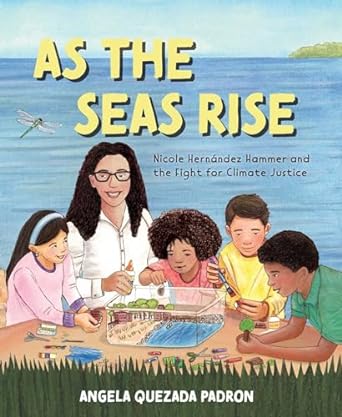
As the Seas Rise: Nicole Hernández Hammer and the Fight for Climate Justice Written and illustrated by Angela Quezada Padron Published by Atheneum Books for Young Readers Available now
Daughter of the Light-Footed People:The Story of Indigenous Marathon Champion Lorena Ramírez Written by Belen Medina Illustrated by Natalia Rojas Castro Published by Atheneum Books for Young Readers Available now
Let Us March On: James Weldon Johnson and the Silent Protest Parade Written by Yohuru Williams and Michael G. Long Illustrated by Xia Gordon Published by Atheneum Books for Young Readers Available now
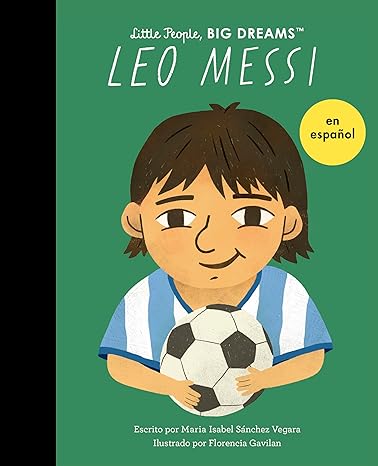
Leo Messi (Spanish Edition) Written by Maria Isabel Sánchez Vegara Illustrated by Florencia Gavilan Published by Frances Lincoln Children’s Books Available now
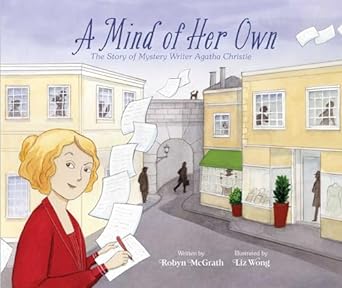
A Mind of Her Own: The Story of Mystery Writer Agatha Christie Written by Robyn McGrath Illustrated by Liz Wong Published by Beach Lane Books Available now
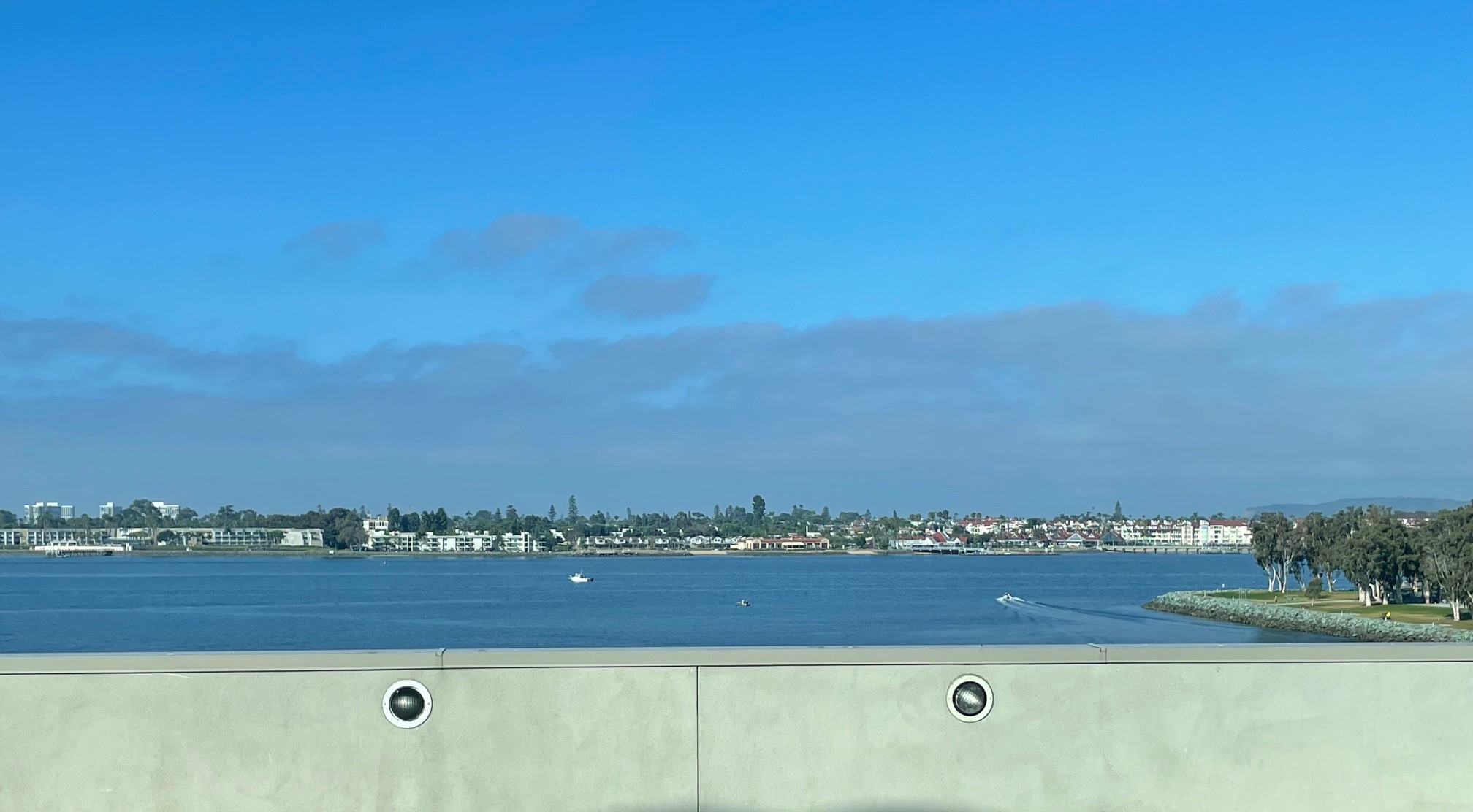
Every year I’m envious of all the librarians that plan extra time into their annual conference trip for sightseeing in a new town. And every year I don’t plan to do it myself. This year a rudely early flight on Friday provided a morning to explore San Diego before my conference sprint began, and it was all I could have hoped for—the food, the bay, the people watching—delightful! And definitely contributed to the Disney-vacation-equivalent number of steps I walked this weekend exploring the inspirational offerings at #ALAAC24. Join me in a recap of all the places those steps took me…
Trevor Noah’s Opening Keynote Address
Yes, I was sitting ALL THE WAY in the back of the room.
There was no doubt that Trevor Noah was going to be funny, right? But he was funny, thoughtful, and so complimentary about the importance, power, and contributions of libraries. In discussion with ALA Past-President Lessa Kanani’opua Pelayo-Lozada, he discussed his upcoming book Into the Uncut Grass (One World Books, October 2024) a fable of imagination and connection inspired by his “never-ending war with [his] mother.” It was a lovely reminder that librarians are not alone in the struggle to support libraries.
Accidental Activism
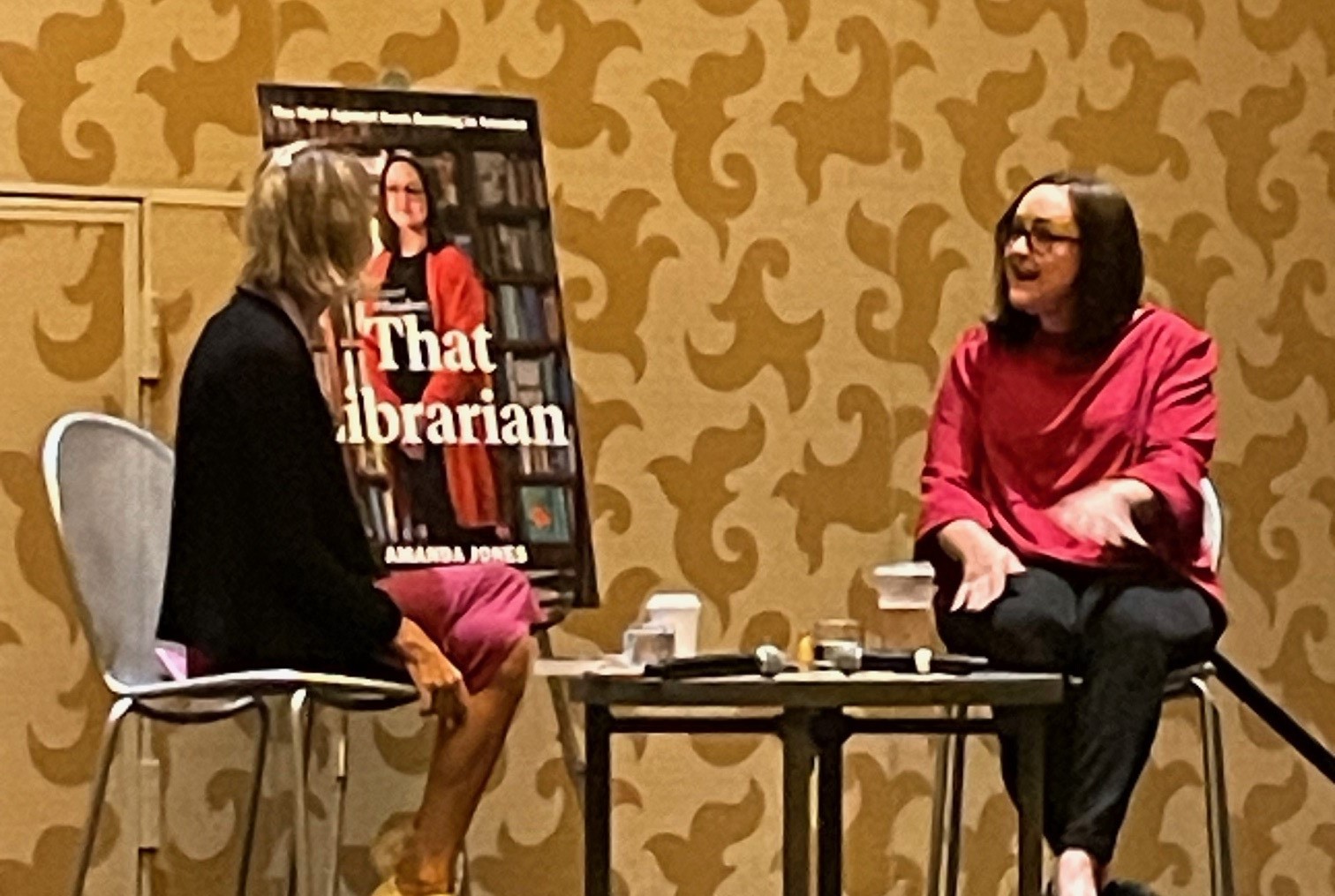
Librarians all over the country are in a fight to defend intellectual freedom, and Louisiana school librarian Amanda Jones is no exception. After standing against book bans at her public library, she was labeled a “groomer” by some in her own community. Inspired to fight back, she continues to challenge the conservative voices in her community, and around the country, that would diminish intellectual freedom. Her new book, That Librarian: The Fight Against Book Banning in America (Bloomsbury, August 2024), Jones offers both a memoir of her experience and a call to action to all those that support the right to read. Thank you to Bloomsbury for the intimate breakfast reception and inspiring chat.
Increasing Access to Translated Literature
Indie publishers of international books are (not surprisingly) strong advocates for adding these titles to library collections. But they know the challenges for these titles at every step of the bookmaking process: from sourcing the books, paying for quality translations, and marketing a book with a non-English speaking author. In Diversity Beyond the Border: International and Multilingual Publishing, a panel of publishers discussed the challenges of the process versus the value to reader of having access to authentic voices in literature. It’s sobering to consider the privilege that allows the US market to be so selective in including translated titles, when most of the world depends on translations from English, and that maybe we could stand the challenge inherent in understanding a new voice. I also had a lovely post-panel chat with one publisher about DU’s Bologna Children’s Book Fair course and how we could partner to provide pre-conference insights to SOIS students—stay tuned.
Exhibit Floor Fun
This activity was closed every time I passed. 😦Highly recommend The Bletchley RiddleThat’s a dog signing their book.
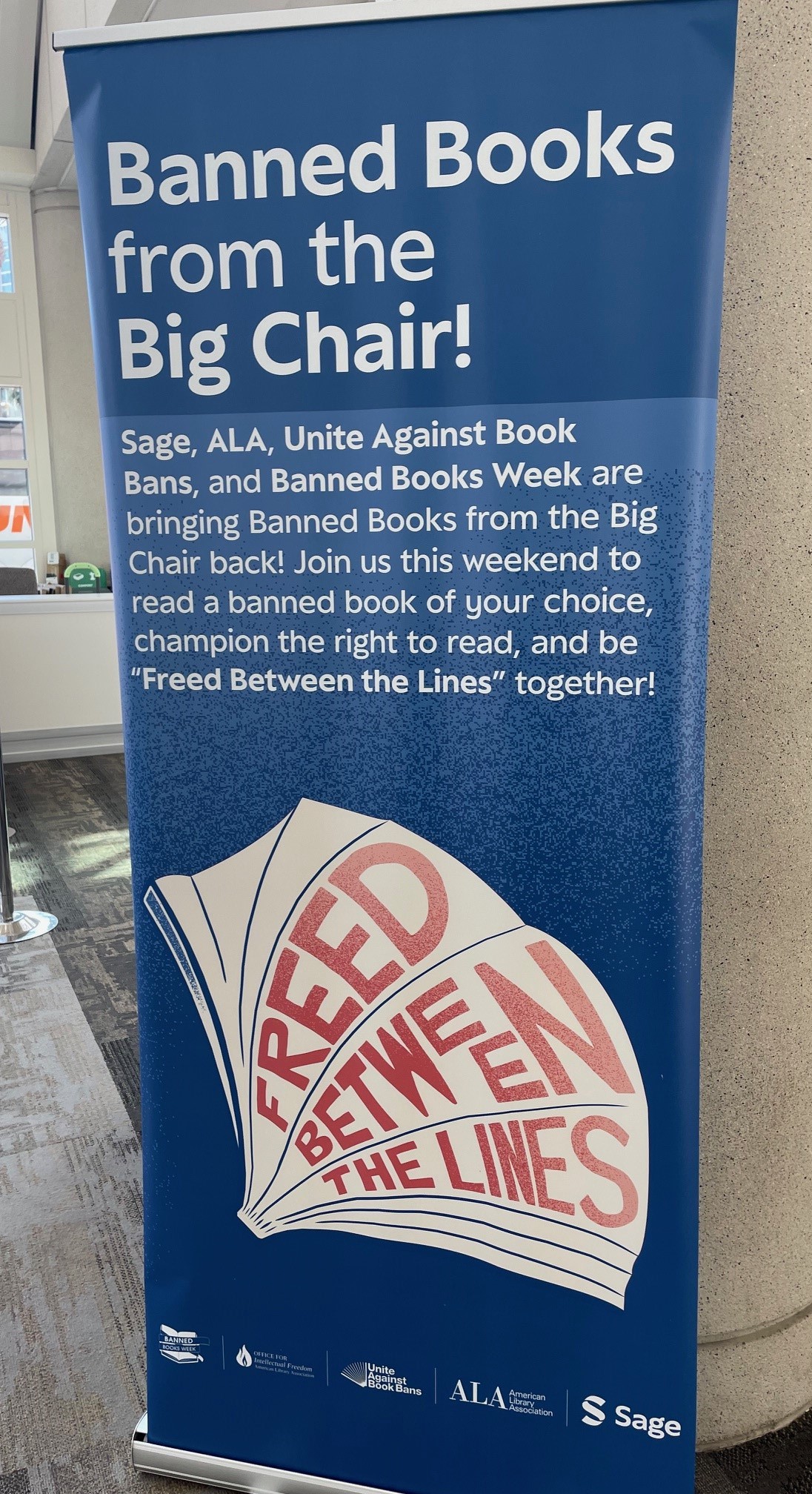
As always, I spent a good part of my weekend (and steps) exploring the Library Marketplace, connecting with the publishers that so generously contribute to the BCLC collection, and collecting some new signed books for the Center. The energy on the floor is always inspiring, and this year was no different. From signing line chats with authors and librarians, to deep conversations about book banning and censorship with publishers fighting their own battles, and surprise run-ins with so many librarian friends, I left with a renewed appreciate for the care, commitment, and pure joy in this community of library land. If a theme ran through the sessions and conversations this weekend, it’s that librarians may be on the front lines in the battle for intellectual freedom, but we are surely not in the fight alone.
Until next year, #ALAAC24. See you in Philly @ #ALAAC25!
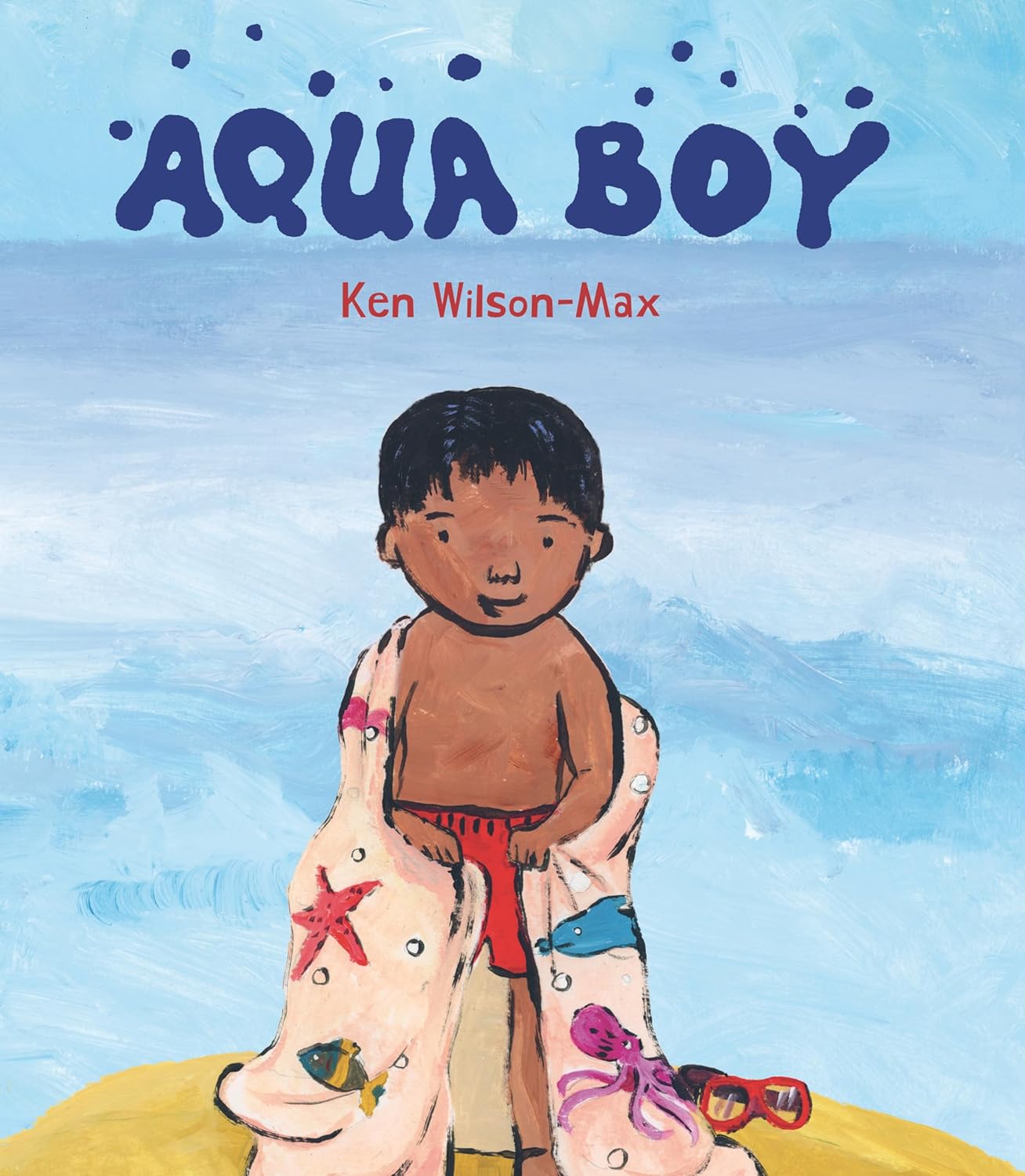
It is officially summer, so we are celebrating by featuring picture books about the beach! In Ken Wilson-Max’s Aqua Boy, follows a young boy, Aaron, who loves the ocean but fears swimming in it. After a big storm, Aaron and his family find themselves helping a stranded octopus return to the ocean. Aaron finds himself so invested in the rescue that he plunges into the ocean to watch the octopus swim away, finally conquering his fears with the help of the ocean itself. This transformative experience of one young boy highlights how all living things are connected in a beautiful story combining bravery and environmentalism.
Check out more beach picture books from our collection below!
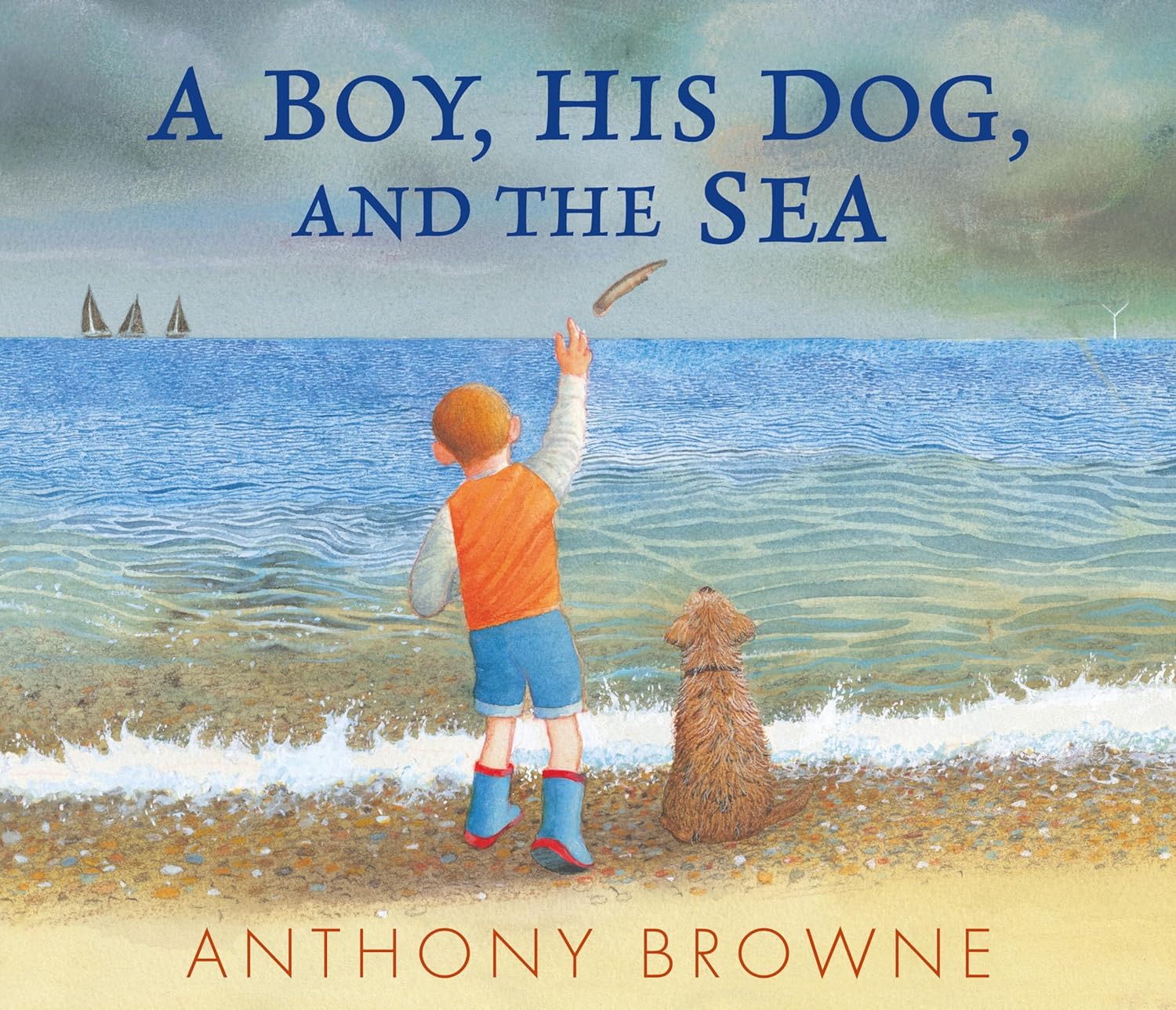
A Boy, His Dog, and the Sea Written and illustrated by Anthony Browne Published by Candlewick Press Available today
Aqua Boy Written and illustrated by Ken Wilson-Max Published by Candlewick Press Available now
Beach Hair Written by Ashley Woodfolk Illustrated by Nina Mata Published by Simon and Schuster Books for Young Readers
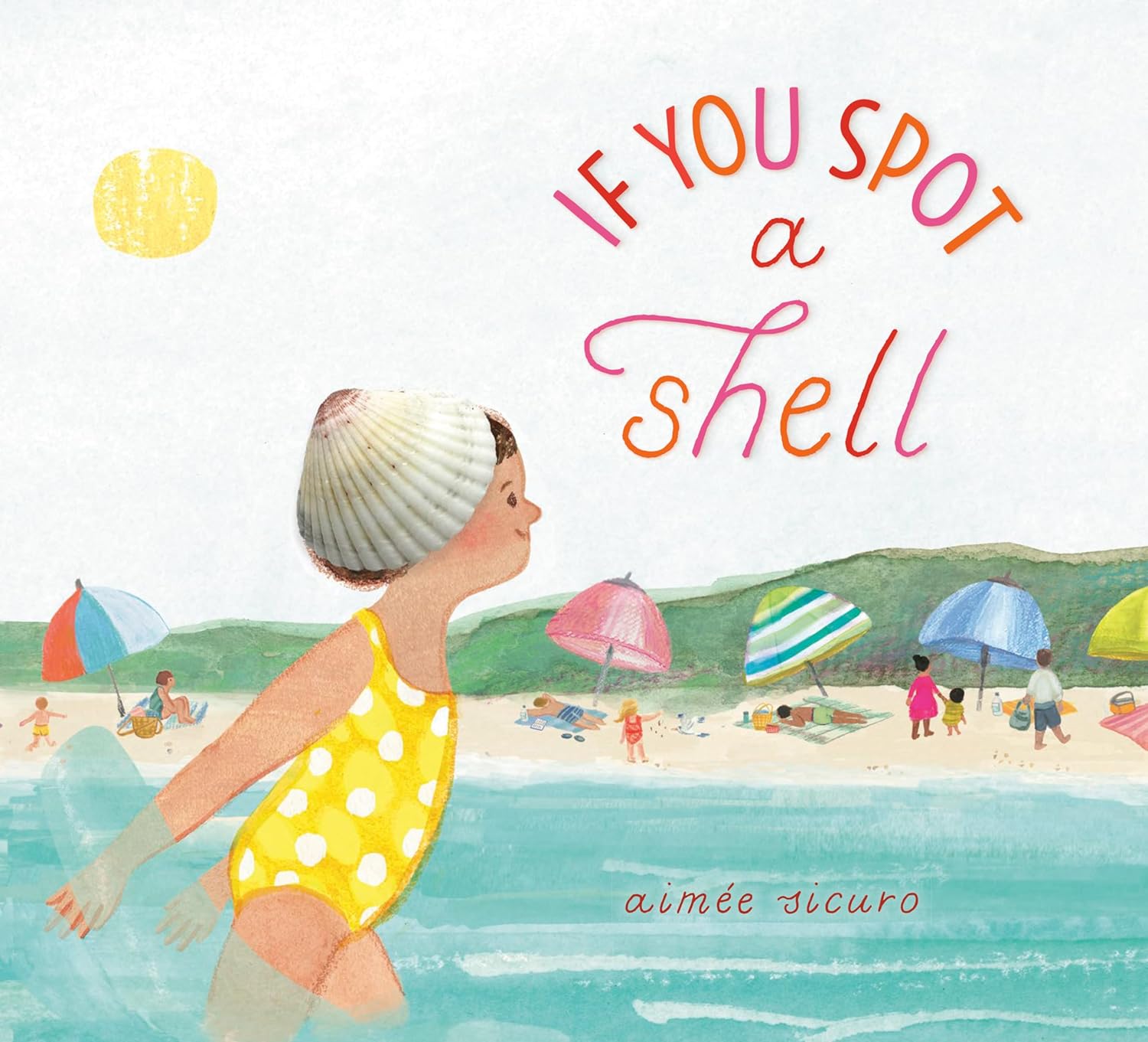
If You Spot a Shell Written and illustrated by Aimée Sicuro Published by Random House Studio Available now
The Suitcase Written and illustrated by Daniela Sosa Published by Simon and Schuster Books for Young Readers and Paula Wiseman Books Available now
She Sells Seashells: Mary Anning an Unlikely Paleontologist Written by Heidi E. Y. Stemple Illustrated by Emily Paik Charlesbridge Ages 6-9 Available July 16th, 2024
“Mary Anning was an unlikely paleontologist […] In fact, Mary wasn’t a paleontologist at all. She was just a girl” (p. 2). Stemple introduces readers to Mary Anning, the world’s first paleontologist. Beginning with Mary’s childhood collecting curiosities, including fossils, to sell in her family’s shop, Stemple describes how Mary’s contributions helped develop paleontology, especially her discoveries of three large prehistoric fossils. She juxtaposes Mary’s life with what her male counterparts were doing in universities and museums in the early 1800s. While Mary was excluded from their academic spaces, she remained dedicated and curious, educating herself by reading scientific journals and dissecting sea creatures at home. Eventually, she discovered the fossils of the Ichthyosaur, the Plesiosaur, and the Pterosaur. Mary’s discoveries of these prehistoric creatures revolutionized scientific thinking, but she wasn’t credited until after her death, when her contributions were recognized by the Geological Society of London.
Although Stemple is not a paleontologist, her passion for telling Mary’s story comes through clearly as she centers Mary in the story of paleontology. Illustrator Emily Paik uses colorful digital illustrations to show Mary collecting fossils and teaching herself science at home. Paik also uses striking pictures to support Stemple’s descriptions of Mary’s exclusion by depicting Mary’s silhouette or an empty chair among scholars. The cover art highlights Mary by drawing her boldly in front of the shadows of the men she worked with. The back matter includes short sections of biographical information, geology of the area, fossils, and justification for Stemple’s decision to not name any of the men who bought fossils from Mary, stating that “in these pages the men have been left nameless—like Mary had been for much of her career” (p. 31). Although this excludes facts from the story, this literary device cleverly articulates the exclusion that Mary faced throughout her life and career. With its accurate details and eye-catching illustrations that show how Mary continues to inspire curious people today, She Sells Seashells will be a great supplemental addition for teachers making lesson plans on paleontology for primary and intermediate elementary school students.
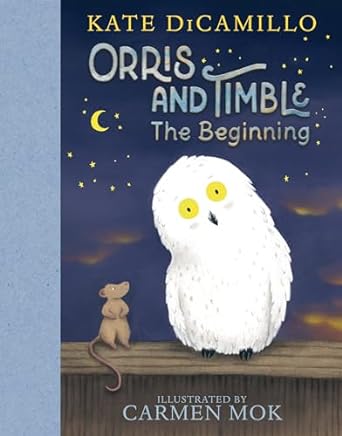
Summer reading programs are in full swing, and chapter books are a great way to keep young readers reading and meeting their goals! Kate DiCamillo’s Orris and Timble: The Beginning tells the heartwarming story of the beginning of a friendship between a rat named Orris and an owl named Timble. Orris helps Timble out of a dangerous predicament, and Timble brings him a nice butterscotch candy as a thank you. The pair spends their time with Orris delighting Timble with his stories of friendship and helping others. Accompanied by charming illustrations, this story is sure to delight young readers as they practice their reading skills!
Check out more chapter books below!
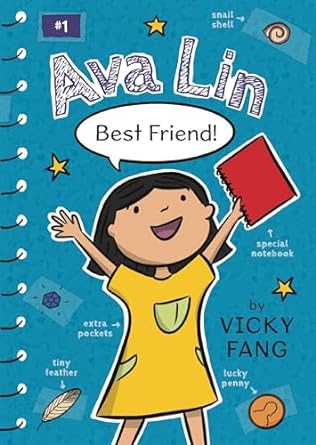
Ava Lin, Best Friend! Written and illustrated by Vicky Fang Published by Candlewick Press Available now
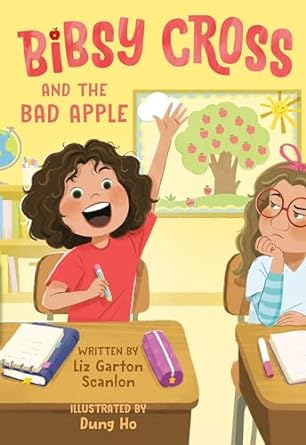
Bibsy Cross and the Bad Apple Written by Liz Garton Scanlon Illustrated by Dung Ho Published by Alfred A. Knopf Available now
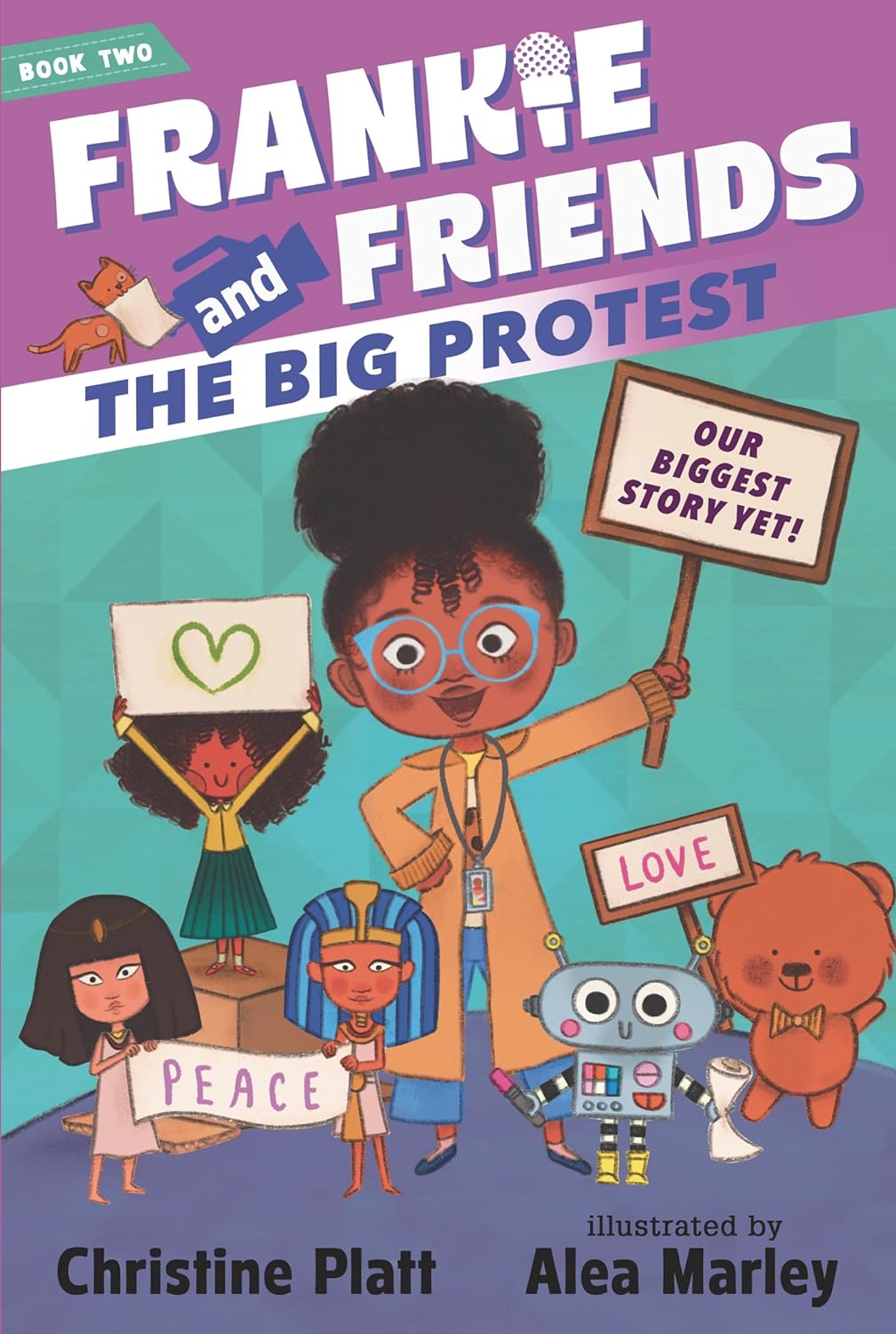
Frankie and Friends: The Big Protest Written by Christine Platt Illustrated by Alea Marley Published by Walker Books Available now
Orris and Timble: The Beginning Written by Kate DiCamillo Illustrated by Carmen Mok Published by Candlewick Press Available now
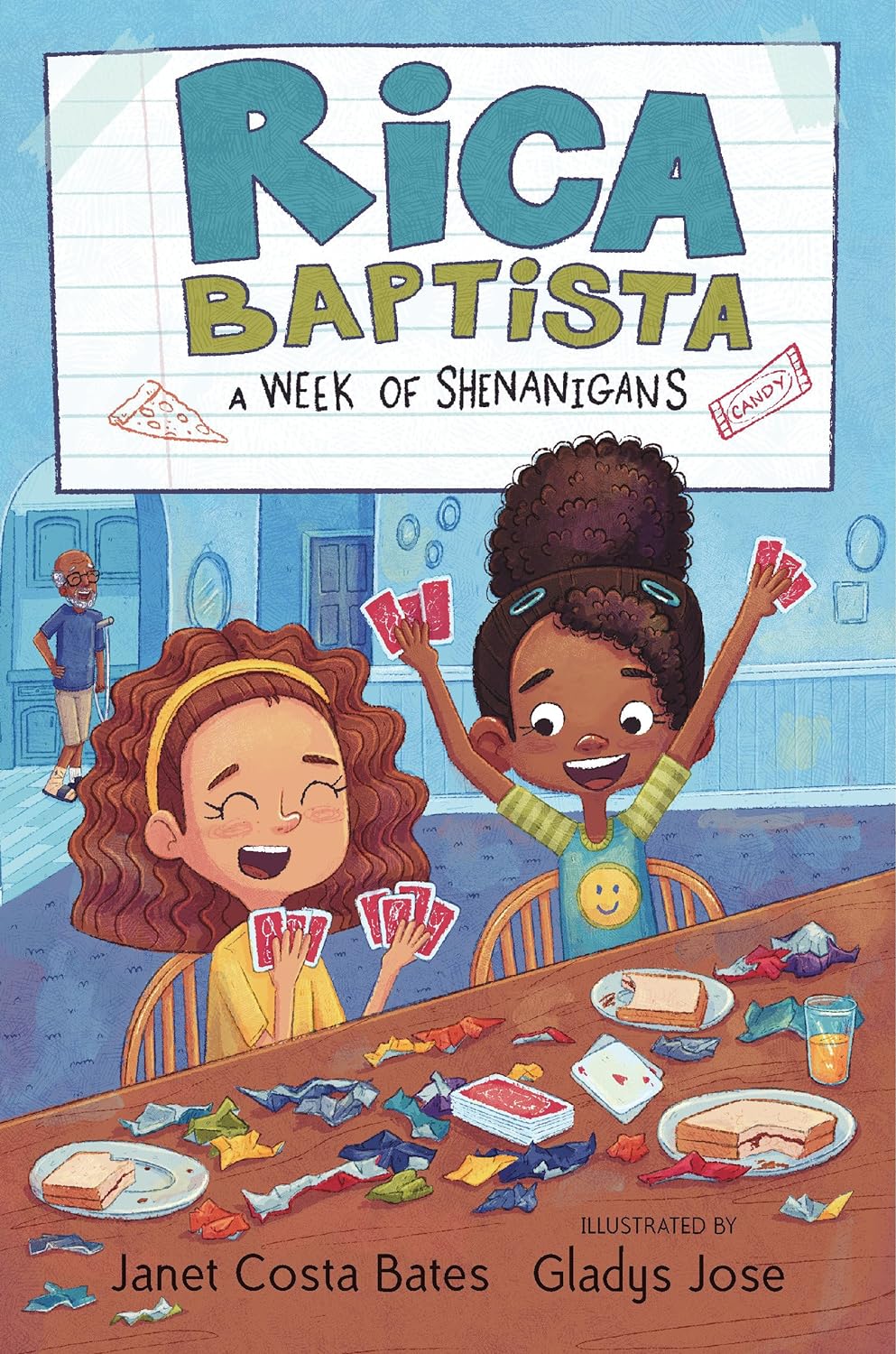
Rica Baptista: A Week of Shenanigans Written by Janet Costa Bates Illustrated by Gladys Jose Published by Candlewick Press Available now
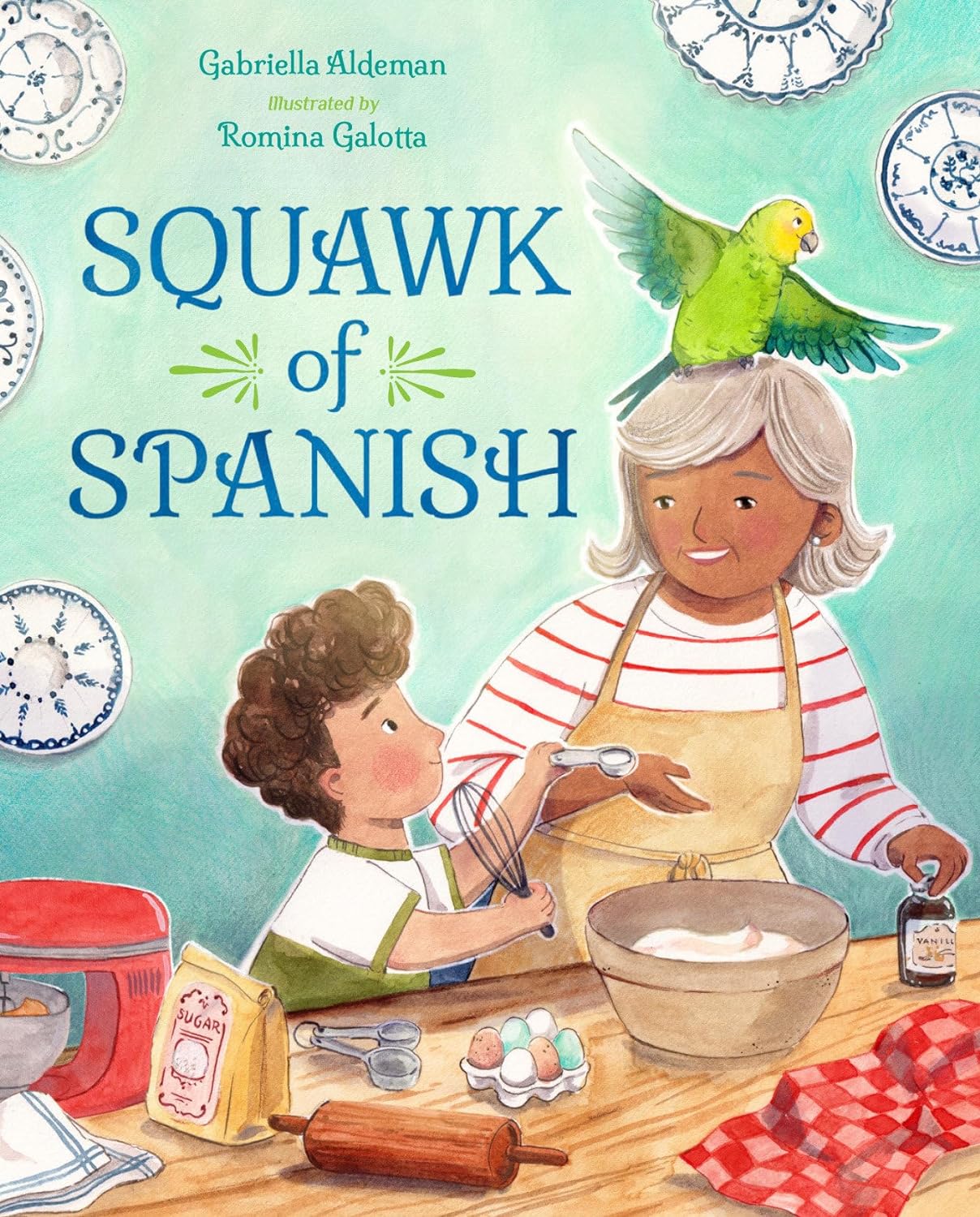
Squawk of Spanish Written by Gabriella Aldeman Illustrated by Romina Galotta Charlesbridge Ages 5-7 Available August 13th, 2024
Even though Max can’t speak Spanish, Max treasures each Sunday when he bakes with his grandmother, Abuela. Abuela can’t speak English either, but they can communicate through the delicious family recipes of polvorones, tres leches, and rice pudding. With the help of the loveable Lorito, Abuela’s brilliant bilingual parrot, Max helps Abuela with the recipe when she forgets the next ingredient. Lorito’s squawks aren’t limited to “arroz” or “azúcar.” He also encourages Max to try speaking Spanish, but he refuses; his “Rs come out wrinkled with an accent,” and his cousins make fun of him (p 10). One Sunday morning, Lorito was flying outside the house and had not returned when Max arrived. Without Lorito there to help Max and Abuela translate, Max wondered how they would bake together. However, Max remembers communication is about trying rather than perfection, so he squawks out the next ingredient for Abuela even though his Rs stick on his tongue.
Aldeman, a bilingual mother, bases this story off of her own son’s experience, who also struggles speaking Spanish with his grandmother but uses food to help bridge the divide. Her simple dialogue, poetic metaphors, and bilingual text draw in young readers, especially but not exclusively for those from multilingual families. Galotta’s gentle, pleasant watercolors mirror the themes of reassurance and unconditional love in Aldeman’s story, but they do not overshadow the text. The illustrations center the colorful, playful parrot, which provides humor to balance Max’s vulnerability when he tries to speak Spanish. Backmatter includes an author’s note, glossary, and even a mouthwatering recipe for arroz con leche. In this triumphant ending to a heartwarming story, Aldeman reminds readers that love transcends language barriers, empowering readers to try something even when they feel nervous.













 Butler's Pantry