
Sir Quentin Blake

quentin blakeAfter a long and storied career, British illustrator Quentin Blake was knighted by the Prince of Wales today. From Mrs. Armitage to Matilda, he has deposited lots and lots (and lots) of indelible characters, human and otherwise, into our collective consciousness, where they will stay in perpetuity. He is also responsible for the wonderful wallpaper on the display wall right here in the Butler Center. On this side of the pond he is best known for his spot illustrations for the Roald Dahl oeuvre, but in his 64 year career (and 64 is my favorite number) he has crafted a remarkable variety of really exquisite books, as author and as illustrator. Here are a few standouts:

CockatoosCockatoos

by Quentin Blake

Little, Brown 1992

Professor Dupont is a slave to his routine, and it is driving his cockatoos crazy! They decide to teach him a lesson, and distribute themselves about the conservatory, never to be seen again. Or not.  This clever, infectious book turns the familiar counting book on its head, with the ever diminishing items-to-be-counted hidden (in plain, polychrome sight), to the delight of observant children everywhere.

tell me a picture

Tell Me A Picture

by Quentin Blake

Millbook Press, 2003

Quentin Blake curated a collection of 26 paintings and children’s book illustrations and employs his trademark figures to interpret them with us. Each work of art enjoys four pages, two for uncluttered presentation, followed by two more where the sketchy individuals respond, with genuine curiosity, puzzlement, and affection. As much about looking at art as it is about art itself, it offers children a safe and stable place from which to begin their own inquisitions.

michael rosens sad bookMichael Rosen’s Sad Book

by Michael Rosen

illustrated by Quentin Blake

Candlewick, 2005

Michael Rosen tells the story of his own experience losing his adult son, and explores the fundamental nature of grief. Blake’s sketchy, chaotic images, in drab greys and blues, express grief’s uncontrollable disquiet in a profound and deeply affecting way. The world will continue to debate whether or not it is a book for children (it is), but it’s artistic power is undeniable.
On the money (mostly)

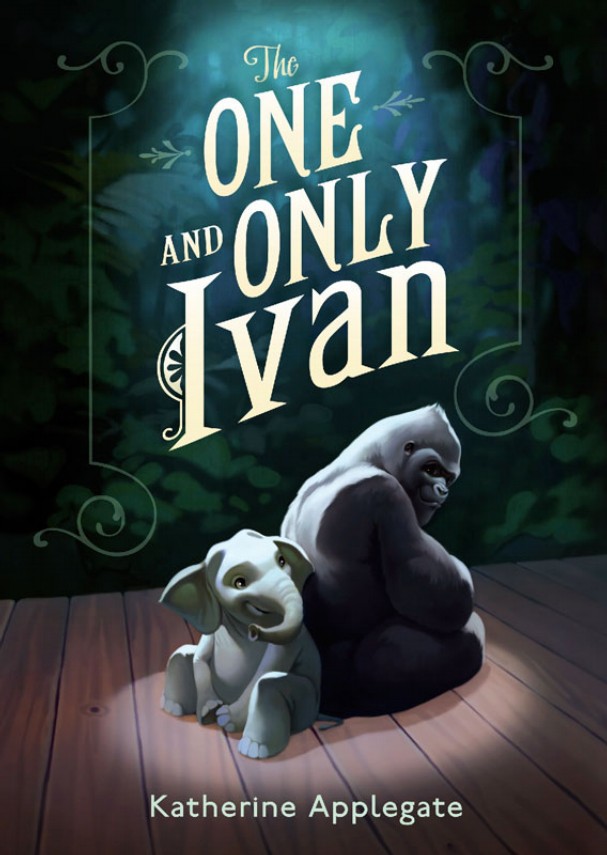
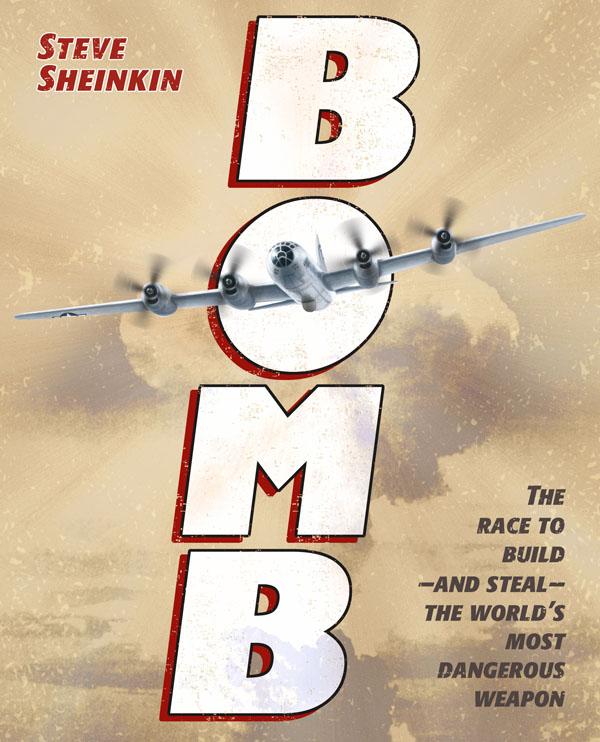
Back in December we suggested some books as particularly holiday-giftable. Looking back, I see that among the eight books for young people we recommended, half were recognized at the ALA Youth Media Awards! We had the Newbery winner (The One and Only Ivan), The Sibert winner/Newbery honor book (Bomb: The Race to Build–and Steal–the World’s Most Dangerous Weapon), a Caldecott honor book (Extra Yarn), and a Printz honor book (Code Name Verity). Not bad for a day’s work.

The One and Only IvanbombExtra YarnCode Name Verity


You can find a link to all of the ALA award winning titles here.

My Family Valentine

When I was growing up, Valentine’s Day was the biggest holiday going. The Valentine’s Day Peacock would administer the annual treasure hunt, hiding construction paper hearts around the house, each with a different clue on it, in Latin, and it fell to me and my sisters to hunt them down, translating one to lead to the next, and so on. Each of us was assigned a different color heart (lest they get confused) and as we grew older, the clues became more difficult and more plentiful. The trail invariably ended with particular paydirt: a cellophane-wrapped, heart-shaped box of chocolates and a pair of pink socks. I believe this went on all through our high school years (though my sister swears it was the Valentine’s Day Aardvark, so my memory may not be especially dependable) and was, even as a teen, a sweet, resonant tradition. To me, Valentine’s day will always be a holiday about family, more than romance, and so I offer you a bevy of picture books about family love, in its infinite variety, as my valentine.

Marisol McDonald Doesn’t Match/Marisol McDonald no combina by Monica Brown,  illustrated by Sara Palacios, Children’s Book Press, 2011

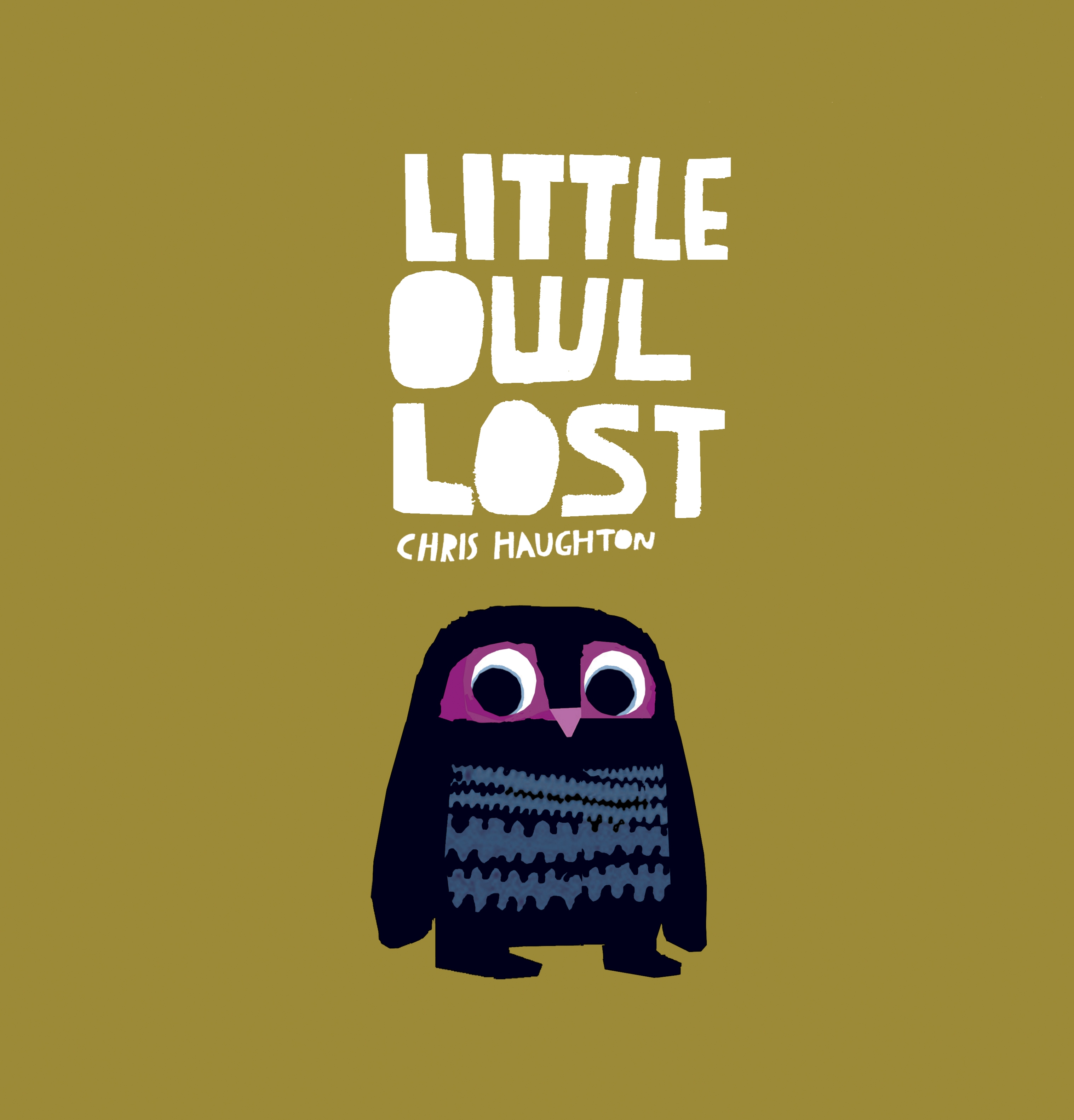
Little Owl Lost by Chris Haughton, Candlewick, 2010

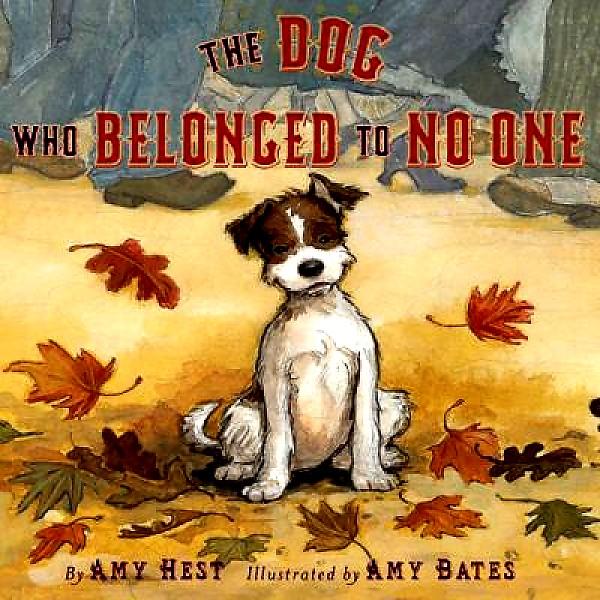
The Dog Who Belonged to No One, by Amy Hest, illustrated by Amy Bates, Abrams Books for Young Readers, 2008

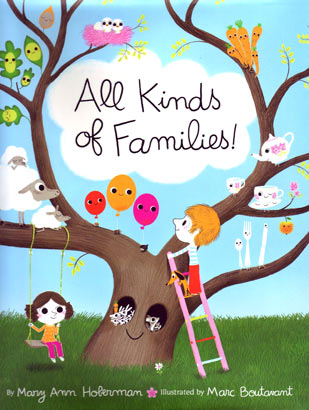
All Kinds of Families, by Mary Ann Hoberman, illustrated by Marc Boutavant, Little, Brown, 2009

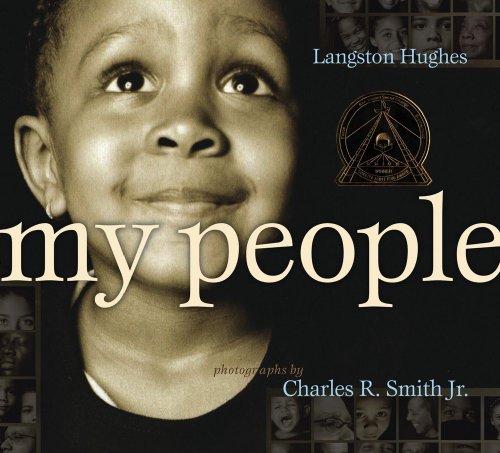
My People by Langston Hughes, illustrated by Charles R. Smith, Atheneum, 2009

I’ll See You in the Morning, by Mike Jolley, illustrated by Mique Moriuchi, Roaring Brook, 2008

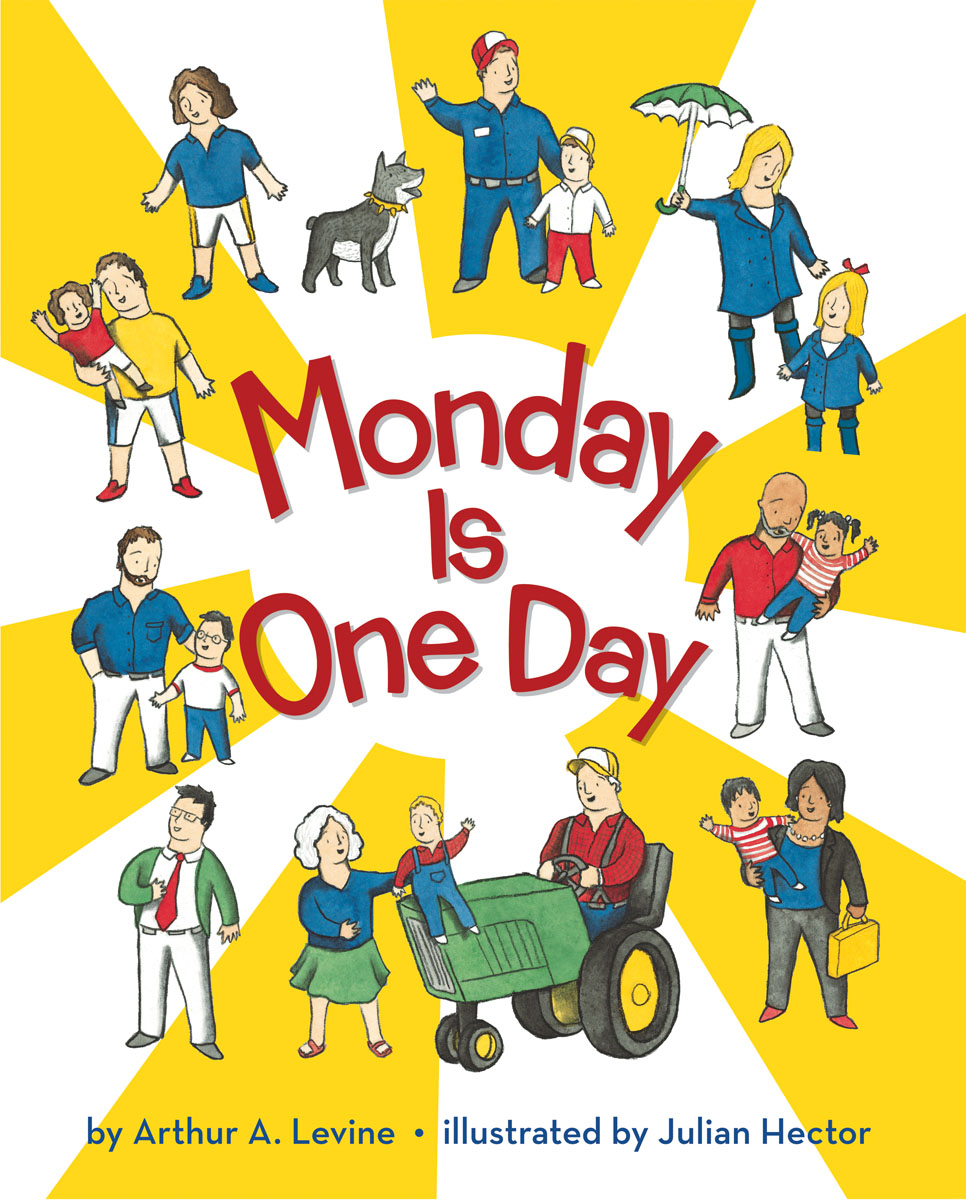
Monday is One Day by Arthur Levine, illustrated by Julian Hector, Scholastic, 2011

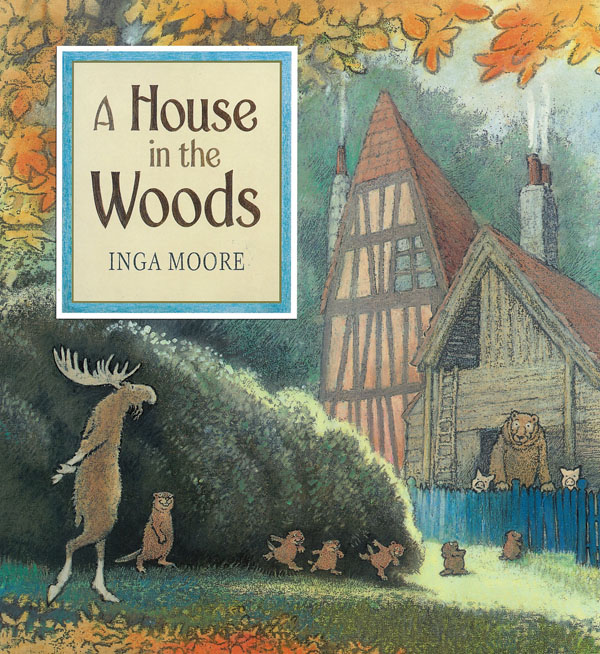
A House in the Woods by Inga Moore, Candlewick, 2011

The Family Book by Todd Parr, Little Brown, 2003

In Our Mothers’ House by Patricia Polacco, Philomel, 2009

The Schmutzy Family, by Madelyn Rosenberg, illustrated by Paul Meisel, Holiday House, 2012

Mad at Mommy by Komako Sakai, Arthur A. Levine Books, 2010

marisollittle owl lostdog who belonged to no one all kinds of families     my people ill see you in the morningmonday is one dayhouse in the woodsfamily bookin our mothers houseschmutzy family    mad at mommy

Open This Little Book

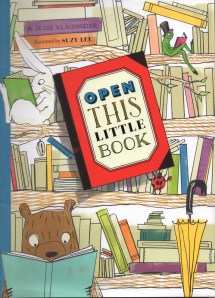
open this little bookOpen This Little Book

written by Jesse Klausmeier

illustrated by Suzy Lee

Chronicle Books, 2013

In a world where meta is everywhere, a book turning in on itself might come across as trendy or superficial. Indeed, many such books do. But the overuse of a particular approach to storytelling does not make such an approach necessarily obsolete. It does, however, raise the storytelling bar. To transcend the dangers of gimmickry, a meta picture book needs to weave together its plot, text and illustration into a tight and cohesive package, in service of a reverberant message. Fixing meta’s self reflection in some meaningful purpose grounds it, rescuing the by-definition disconnectedness of the narrative from flapping in the literary breeze. When done right, this kind of circular storytelling packs a real wallop, and such is the case with Open This Little Book.

The book is literally a number of books inside one another, each smaller than the last, each identified by a different colored cover (purple, red, green, orange, yellow, blue), each “opened” in succession by a different character (reader, ladybug, frog, rabbit, bear, giant), and then consumed and read in reverse order, arriving at the end with a compelling case for more. More books. More reading. More community. The clarity of Klausmeier’s text, clean and simple and exact, and the way she establishes and then breaks the patterned structure, shows more than tells us about the seductive sway of a well-written book. Suzy Lee’s careful illustrations begin in monochrome with the singular color of the little books’ titles. With each successive opening we have more colors in which to delight, and by the time we arrive at the final scene, with all of our friends, plus many more, luxuriating beneath and within a polychrome tree full of books, the remarkably appealing rainbow of variety stands as an immediate, resonant symbol of the endless glories of books and reading.

This is a book you need to find and experience with your own hands and eyes (and spirit). I include the book trailer below to give you a sense of the mechanics and the mood, but there is no substitute for opening this little book yourself.

For your consideration 3

Why teach an old dog new tricks when the old dog is already perfect? Our Caldecott consideration continues.

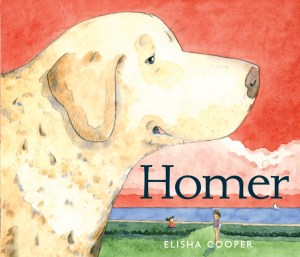
homerHomer

Elisha Cooper

Greenwillow, 2012

Look closely here. On the surface this is a simple, lovely story about a nice old dog (a dog who doesn’t die, by the way, for those of you worried about that kind of thing). With sensitive brush and pencil work Cooper gives us an irresistible, flesh and blood (and fur) dog in Homer. But beneath that sweet surface is an especially sophisticated piece of storytelling. Copper lays the story out across a carefully structured set of panels. One by one, the members of Homer’s family pass him on the porch, inviting him to join in one outing or another. And with each cumulative turn of the page and subsequent invitation, we see the previous family member attending to his or her pursuit. And then the whole things plays back in reverse as the family returns. A wordless denouement finds Homer leaving his post on the porch and joining the family inside, hoisting his arthritic frame into what is clearly his chair. And there is peace. Cooper’s ability to paint such full-bodied characters, human and canine, is such simple linear gestures is, on its face, a little bit amazing. That he applies that skill to a brilliant narrative arc is extraordinary. It’s hard to imagine paying more respect to a child audience.

For your consideration

As the days get shorter and the wind gets colder and people put Christmas lights up right after Halloween, our thoughts turn to Caldecott contenders (well, my thoughts do, anyway). So over the coming days we’ll be putting forward some books on our Caldecott radar.

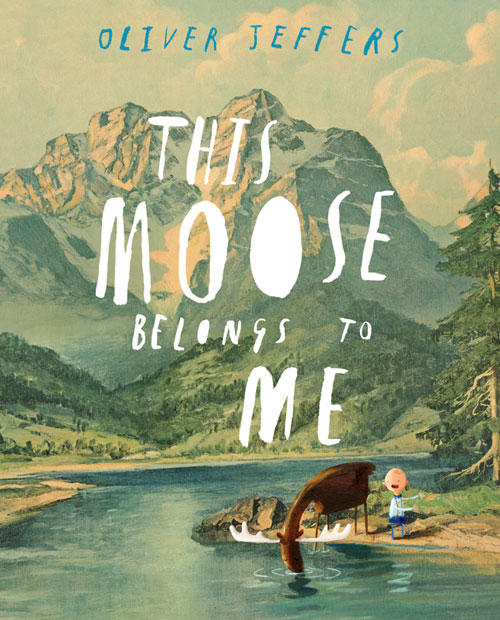
This Moose Belongs to Me

Oliver Jeffers

Philomel, 2012

This is the story of Wilfred, a boy who finds and adopts a moose, and Marcel, the moose who will not be adopted. There is so much to love about this book: gentle humor, indelible characterizations, careful pacing. The Caldecott Medal, of course, is awarded for particular criteria, though, and “Thom loves it” didn’t make the cut. Luckily, this wonderful book excels with the actual criteria as well. Indeed, each of the wonderful elements mentioned above is achieved in the illustrations. Indeed, all of them are realized, to a high degree, in the illustrations. The incongruous background material, pixelated Romantic landscape paintings and Victorian engravings, amplifies the situational humor, giving it tone and color. Similarly, even though Wilfred’s behavior gives us the skeleton of his persona, the remarkable, gestural facial expressions take it home. Even the Moose singular apple obsession finds subtle expression in his square countenance. And the book’s design, the varied use of panels, blank backgrounds, image-filled word balloons, and even combination of typeface and handwriting, fixes a perfect pace. This is a picture book that gets better and better with multiple readings. Here’s hoping that it is being read again and again.

Novel Gifts

Our holiday gift recommendations continue with a few novels we think young readers might enjoy.

The One and Only Ivan

Katherine Applegate, illustrated by Patricia Castelao

HarperCollins, 2012

Ivan the gorilla is resigned to his life in a glass enclosure at the Exit 8 Big Top Mall and Video Arcade. But when Ruby the baby elephant arrives, Ivan commits himself to winning a better life for her. Applegate crafts a natural and believable voice for Ivan, at once plain and poetic, and with it will break your heart (in the best possible way). And Castelao’s gentle gestures only add to the grace. Beautiful prose tells a beautiful story. Poignant, emotional and uplifting.

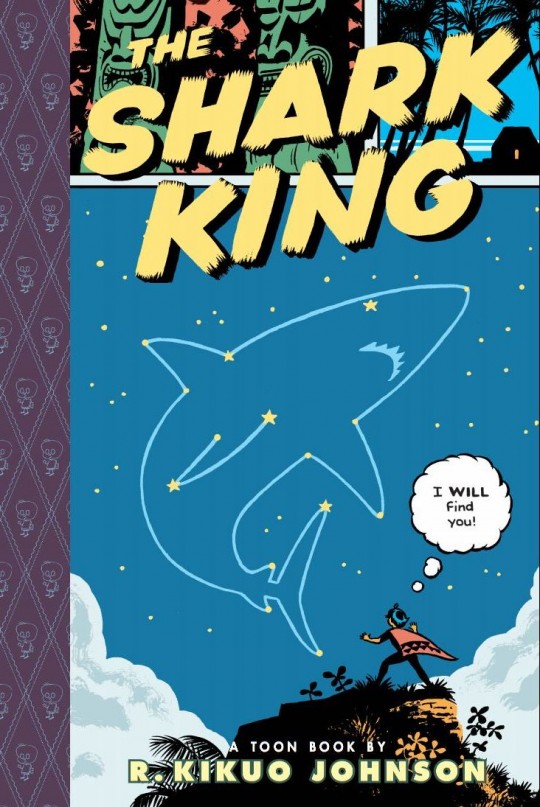
Shark King

Kikuo R. Johnson

Candlewick, 2012

A Hawaiian legend about a shape-shifting boy who becomes a king is just the thing for a picture-perfect beginning reader with graphic illustrations, comic book panels, word-balloon dialogue and ebullient excitement! Those familiar with the tropes of the graphic novel will appreciate the care with which they are observed, and those new to the format will enjoy its immediacy and its fun. Bright, smart and ebullient.

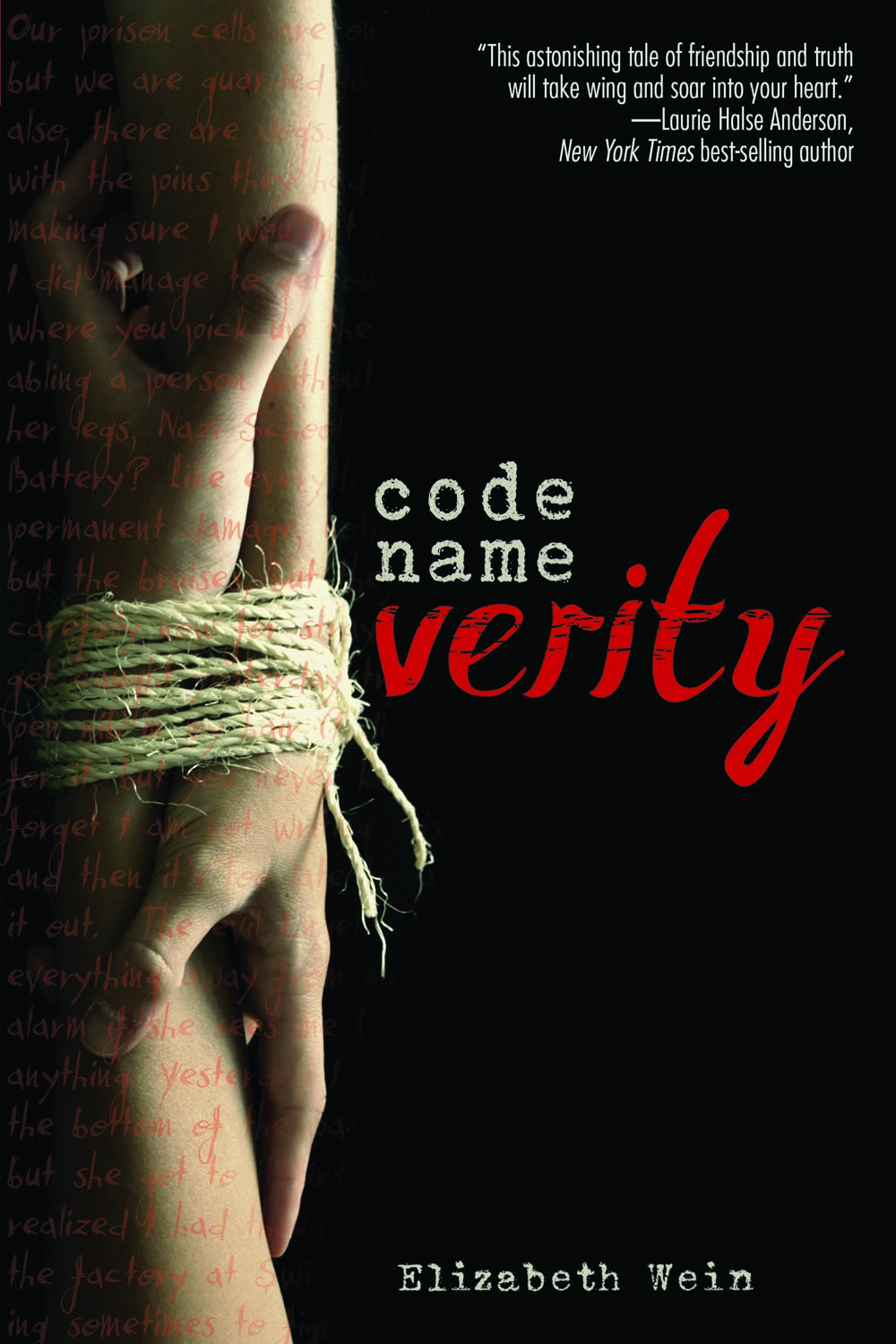
Code Name Verity

Elizabeth Wein

Disney-Hyperion, 2012

Shot down behind German lines during WWII, and enduring starvation and torture, Julie trades Allied secrets for prolonged safety and a few trifling comforts. Or does she? Wein’s startling novel weaves espionage, honor and indelible friendship into a gripping, revelatory package. Fierce readers will appreciate the investment required to dig through the obfuscation and retrieve a singularlygratifying literary reward. Dense, complex and thrilling.

Picture Book Gifts

Ready or not, holiday shopping season is upon us! The Butler Children’s Literature Center has your back. In a season overcome with ill-fitting sweaters and batteries-not-included gadgets, books make the perfect gift. These titles promise afternoons full of cozy, fireplace-adjacent escape, and there’s absolutely no assembly required.

Let’s start with some picture books:

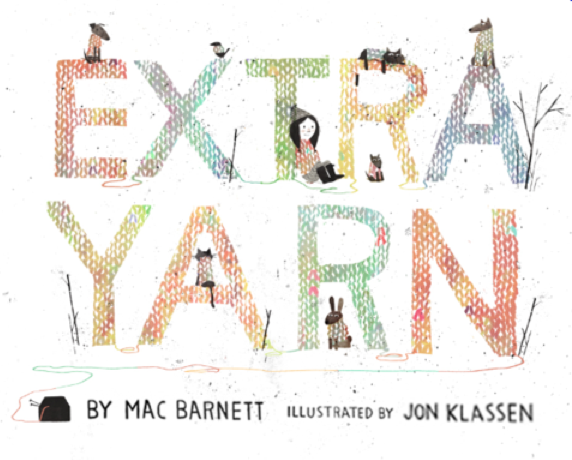
Extra Yarn

Mar Barnett, illustrated by Jon Klassen

HarperCollins, 2012

A young girl discovers a mysterious box full of a seemingly inextinguishable volume of yarm. She knits sweaters for all of the people in her coastal village, and, with yarn to spare, knits sweaters for the buildings, the trees, and everything else stationary. An evil Archduke absconds with the magical box, but the truth will out. Barnett crafts his story with care, paying special attention to the ace with which it unfolds, and Klassen yarn-bombs the entire outing with an irresistibly cozy charm. Warm, sweet and lovely.

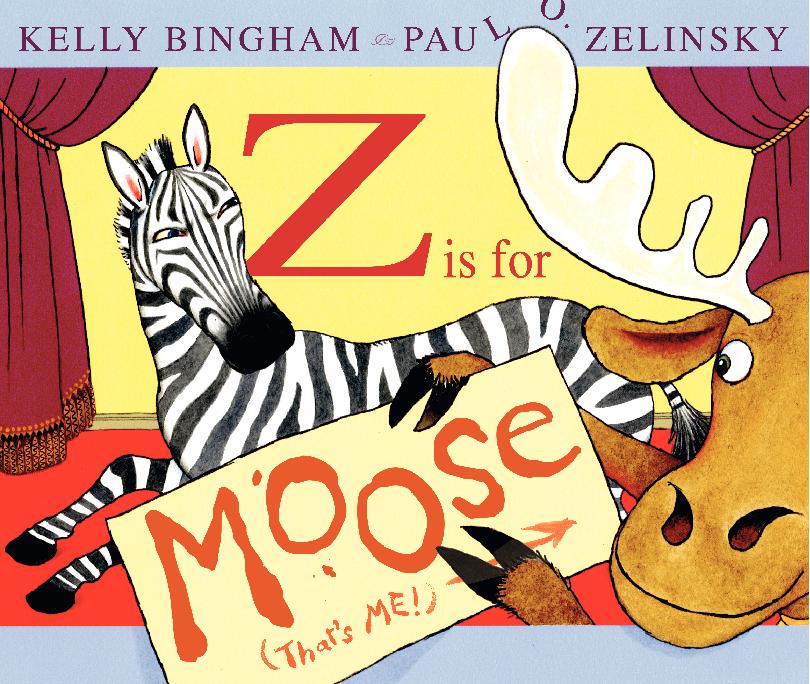
Z is for Moose

Kelly Bingham, illustrated by Paul O. Zelinsky

HarperCollins, 2012

Zebra is staging an alphabet book and is busy corralling a cast of characters to represent the different letters. When Moose’s letter is up and Mouse takes his place, bedlam ensues, with hysterical chaos leading to a heart-warming finish. Look for the (many, many) little alphabetical details happening off stage that only add to the boisterous clamor. Hilarious, irreverent and satisfying.

Nighttime Ninja

Barbara DaCosta, illustrated by Ed Young

Little, Brown, 2012

A stealth ninja sneaks through a house at midnight in pursuit of treasure of inestimable value. Just as the prize is in his grasp, his mother flips on the lights, seizes the ice-cream and sends him back to bed. With tight formatting, sinuous prose, and a masterful match of words and pictures, this one will be requested again and again. Gorgeous, funny and irresistible.