Butler Bookshelf

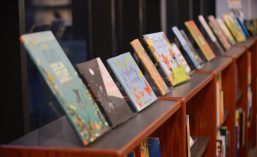
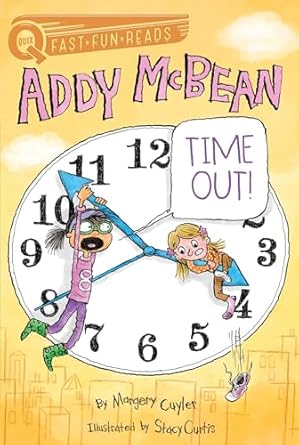
This week’s Butler Bookshelf is all about new fiction titles in our collection! These titles feature animal adventures, a school for time travelers, and dragons in London for readers of all ages. The featured title this week is Time Out! (Addy McBean) by Margery Cuyler and illustrated by Stacy Curtis. In this chapter book for beginning readers, math-loving Addy McBean learns how to tell time on analog clocks and how to set an alarm. Along the way, she and her best friend, Star, become convinced that their teacher, Mr. Vertex, is getting married. Working tirelessly to look for clues, they accidentally spread the rumor to their class. In addition to learning the fun of telling time, Addy learns the importance of using facts to make a decision instead of assumptions. Curtis uses quirky digital illustrations to accompany Addy’s adventures, and Cuyler includes a character glossary and a word list to help young readers remember characters and learn new terms.

Check out more fiction below!

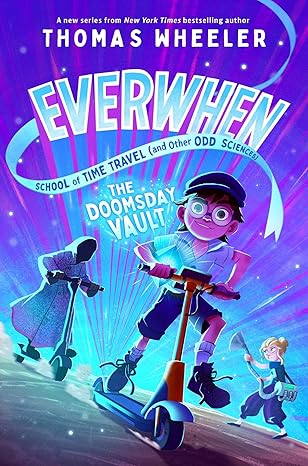
The Doomsday Vault (Everwhen School of Time Travel (and Other Odd Sciences) 1)
Written by Thomas Wheeler
Published by Simon & Schuster Books for Young Readers
Available now

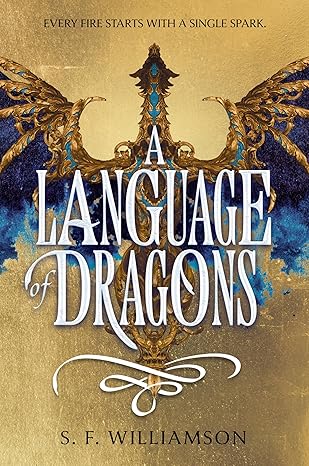
A Language of Dragons
Written by S.F. Williamson
Published by Harper
Available now

Little Head, Little Nose
Written by Yuli Yav
Illustrated by Antonia Woodward
Published by LITTLE SIMON
Available now

Time Out! (Addy McBean)
Written by Margery Cuyler
Illustrated by Stacy Curtis
Published by Aladdin Quix
Available now

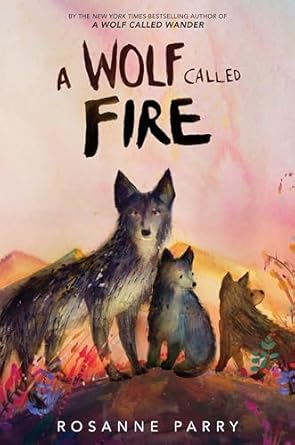
A Wolf Called Fire
Written by Rosanne Parry
Published by Greenwillow Books
Available now

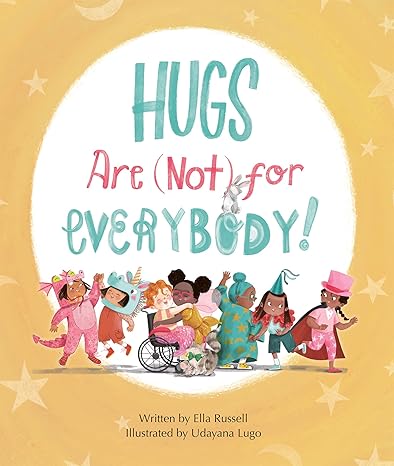
To Hug or Not to Hug: A review of Hugs Are (Not) for Everybody!

Hugs Are (Not) for Everybody!
Ella Russell
Illustrated by Udayana Lugo
Owlkids Books
March 18, 2025
Age 3-7

At a magic birthday party full of both cuddlers and the squeeze-averse, an enthusiastic young guest learns that not everyone is comfortable with hugs in the same way. Hugs are for hello and goodbye. Hugs are for celebrations and congratulations. Though hugs are not always welcome. Some prefer a wave, a high five, or a bum-shaking secret handshake. As the party continues, she learns that all she has to do is ask to make everyone feel safe.

Russell gently explores boundaries and respect in this sweet and simple picture book for pre-school to early elementary years that reunites the cast from Pink is For Everybody! She centers themes of consent and body autonomy in a comfortably familiar setting, with characters in non-threatening scenarios, like arriving at a friend’s home and wishing happy birthday. Lugo amplifies the theme of individual preferences with a cast of diverse backgrounds and personalities, and a variety of layout styles showcasing different types of engagement. Her engaging watercolors, candy-hued palette, and expressive faces capture both the joy of the party and the anxiety of some partygoers. Instances of onomatopoeia and clearly delineated dialog lend themselves to exuberant storytime inclusion and will make the shiest kids feel seen.

A wholesome tale of consent that makes introducing this often sensitive topic a piece of (birthday) cake.

Butler Bookshelf

For this week’s Butler Bookshelf, we’re highlighting a variety of youth literature in our collection. This list has something for all ages, fiction, nonfiction, and bilingual! The featured book for this week is Ollie, the Acorn, and the Mighty Idea written by Andrew Hacket and illustrated by Kaz Windness. Ollie is tired of dealing with Everett’s constant bullying. One day, when Everett steals a sapling from Ollie, he has an idea — he will eat an acorn and grow into a mighty tree so that Everett will never be able to bully him again. But when Ollie becomes tall and strong and stands up to Everett once and for all, he realizes that he went about it all wrong. He burps everything up, and Ollie and Everett reconcile and start growing their gardens together. Windness’s colorful, lively illustrations compliment Hacket’s lively and expressive story about how to stand up for yourself and what it truly means to be mighty.

Check out more books for all ages below!

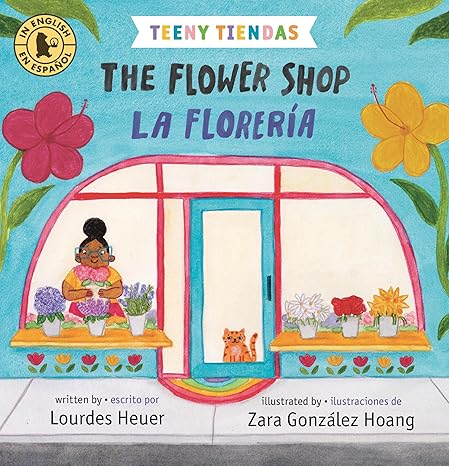
The Flower Shop/La Florería
Written by Lourdes Heuer
Illustrated by Zara González Hoang
Published by Candlewick Press
Available now!

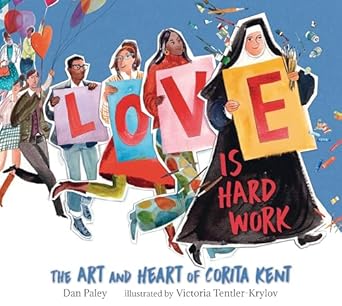
Love Is Hard Work: The Art and Heart of Corita Kent
Written by Dan Paley
Illustrated by Victoria Tentler-Krylov
Published by Candlewick Press
Available now!

My Father’s House
Written by Mina Javaherbin
Illustrated by Lindsey Yankey
Published by Candlewick Press
Available now!

Ollie, the Acorn, and the Mighty Idea
Written by Andrew Hacket
Illustrated by Kaz Windness
Published by Page Street Kids
Available now!

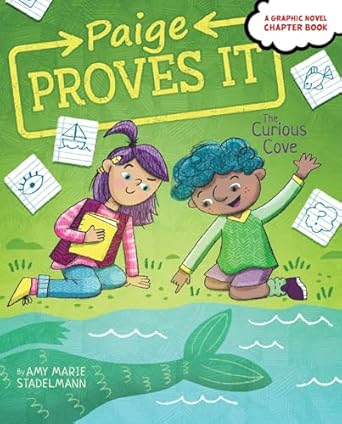
Paige Proves It!: The Curious Cove
Written and illustrated by Amy Marie Stadelmann
Published by Aladdin
Available now!

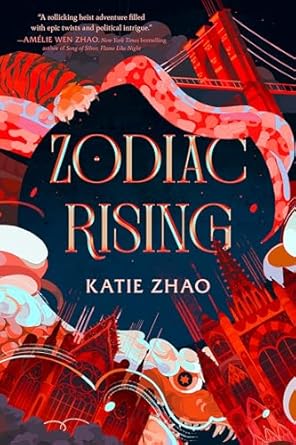
Zodiac Rising
Written by Katie Zhao
Published by Random House Children’s Books
Available now!

The Joy of Trying New Things: A Review of The Creature of Habit Tries His Best 

The Creature of Habit Tries His Best 
Written by Jennifer E. Smith 
Illustrated by Leo Espinosa 
Published by Random House Children’s Books/Random House Studio 
Ages 4-8
Available November 19, 2024 

The Creature of Habit Island returns in this charming story about what it means to be the best at something. New things still make the Creature nervous, but with the encouragement of the very small creature, they travel off Habit Island to a new place that has snow and pine trees. The Creature attempts every challenge, but he struggles to climb the trees and balance on the logs like his friend. He gives up in frustration. When he sees the very small creature riding a bike, he’s mesmerized and decides to give it a go. It’s hard at first, but he is determined to at least be the best at trying. The Creature is eventually successful and they ride their bikes together as they think about all the new things they can try in the future. 

In this heartwarming picture book, Jennifer E. Smith brings back the Creature of Habit to expand on the importance of trying new things. In the sequel, Smith explores themes of determination and what it means to be the best. By showing him try many different activities before discovering his love for bike riding, Smith shows readers that sometimes, it takes trial and error to discover your passion. She also emphasizes the importance of persevering instead of giving up when the Creature decides that, rather than wanting to be the best at riding the bike, he wants to “be the best at trying to ride” (p. 18) the bike. Smith’s text is paired with Leo Espinosa’s comic-like digital illustrations to bring the Creature to life. The bright colors contrast and grab readers’ attention, and his animated illustration style further engages readers in the story as he shows the activities the creatures do together, like climbing trees and riding bikes. The Creature of Habit Tries His Best is an entertaining story that can be used in a lesson or storytime to help young readers understand the importance and joy of breaking out of your comfort zone with something new, and persisting, even when it’s hard.  

Butler Bookshelf

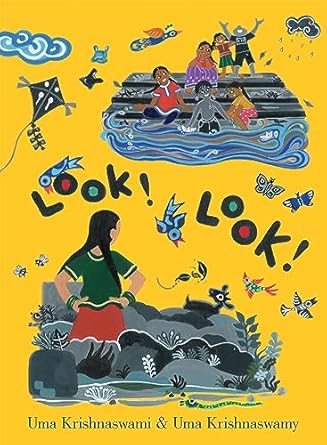
Diverse stories are an important part of literature for all ages, especially for kids. October is Global Diversity Month, so this week’s Butler Bookshelf highlights some fiction and nonfiction books from authors around the world. One of these books is Look! Look! written by Uma Krishnaswami and illustrated by Uma Krishnaswamy. Krishnaswami tells the story of a young Indian girl discovers a slab of stone in the weeds, and she calls her friends to come and take a look. They work together to clean the weeds, garbage, and other stones up. Soon, more and more people from their village and other villages nearby help them uncover an old step well. Once the well is cleaned up, rain fills the well, and the previously dry and dusty land comes back to life as plants begin growing again and the animals return. Accompanied by colorful, geometric illustrations done in acrylic, poster color, and water color by Uma Krishnaswamy, Look! Look! is a delightlful story that educates readers on ancient Indian step wells and shows how they can potentially be a solution for handling floods and providing water in India.

Check out more books from diverse authors below!

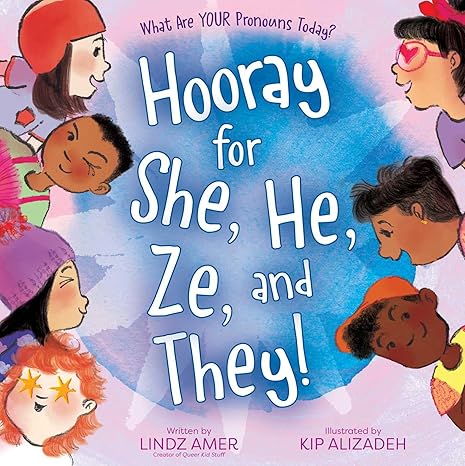
Hooray for She, He, Ze and They!: What Are Your Pronouns Today?
Written by Lindz Amer
Illustrated by Kip Alizadeh
Published by Simon & Schuster Books for Young Readers
Available now

Look! Look!
Written by Uma Krishnaswami
Illustrated by Uma Krishnaswamy
Published by House of Anansi Press
Available now

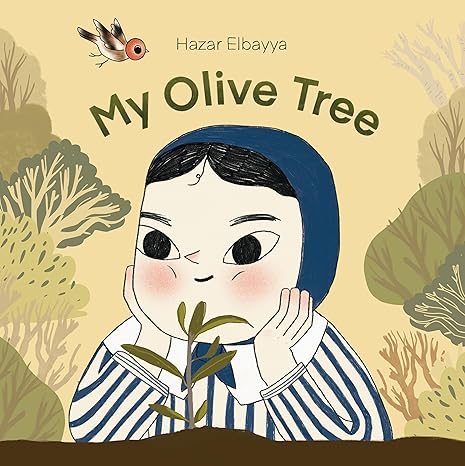
My Olive Tree
Written and illustrated by Hazar Elbayya
Published by Anne Schwartz Books
Available now

Old Wounds
Written by Logan-Ashley Kisner
Published by Delacorte Press
Available now

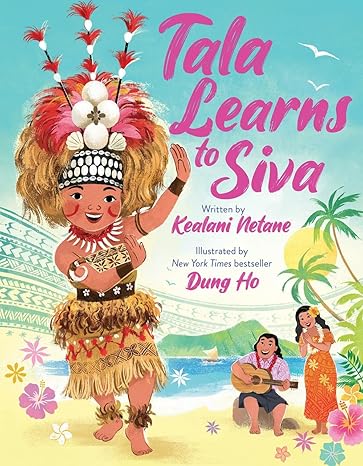
Tala Learns to Siva
Written by Kealani Netane
Illustrated by Dung Ho
Published by Orchard Books
Available now

Butler Bookshelf

Now that school has started, so has the lesson planning! Whether you want to keep the lessons going at home or you’re looking for books to add to your classroom, we have a lot of new nonfiction books to share, including Wild Brunch: Poems About How Creatures Eat by David L. Harrison and illustrated by Giles Laroche. Harrison uses fun poems to explain how different animals across the world eat their food every day. He covers a wide range of animal species, from sea creatures, like narwhals, to land animals, like aardvarks; he also features a variety of flying animals, like turkey vultures, Mexican free-tailed bats, and houseflies. Harrison even includes a poem about mayflies, who only live for one day and don’t eat at all! Harrison includes a back matter that goes into more detail about each animal he writes about and their eating habits, sharing sources for where readers can learn more. Accompanied by Laroche’s detailed collages, Wild Brunch is sure to delight and educate any animal enthusiast!

Check out more of our nonfiction collection below!

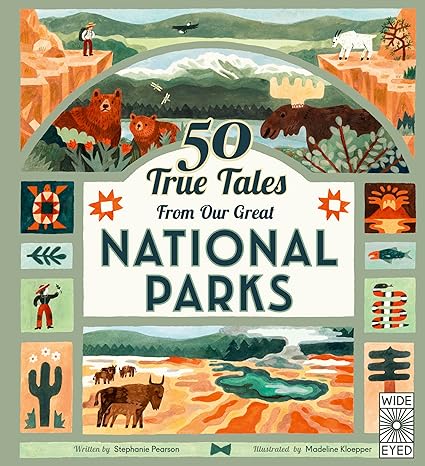
50 True Tales From Our Great National Parks
Written by Stephanie Pearson
Illustrated by Madeline Kloepper
Published by Wide Eyed Editions
Available now

Evidence!: How Dr. John Snow Solved the Mystery of Cholera
Written by Deborah Hopkinson
Illustrated by Nik Henderson
Published by Knopf Books for Young Readers
Available now

Radar and the Raft: A True Story About a Scientific Marvel, the Lives it Saved, and the World it Changed
Written by Jeff Lantos
Published by Charlesbridge
Available September 24th, 2024

The Shape of Things: How Mapmakers Picture Our World
Written by Dean Robbins
Illustrated by Matt Tavares
Published by Knopf Books for Young Readers
Available now

Wild Brunch: Poems About How Creatures Eat
Written by David L. Harrison
Illustrated by Giles Laroche
Published by Charlesbridge
Available now

How It Works: A Review of Bounce!: A Scientific History of Rubber

Bounce!: A Scientific History of Rubber
Sarah Albee
Illustrated by Eileen Ryan Ewan
Charlesbridge
October 22, 2024
Age 6-9

Used for everything from bike tires to raincoats, rubber plays a major role in things springy, stretchy and bouncy in ours daily lives. Follow its history from the discovery by indigenous Central American tribes (who farmed natural rubber latex from local plants), adoption by Europeans (imagine the difference when their soccer balls could bounce!), and the evolution in its usefulness into the multipurpose substance we can’t live without today. Part narrative nonfiction and part traditional nonfiction, Bounce combines a fascinating story of invention with “The Science!” interjections that explain the how or why of a narrative detail (what is it that makes rubber sink or float?).

Award-winning nonfiction author and former basketball-player (who appreciates a bouncy ball more?), Sarah Albee explores the history and science behind a very common part of everyday life. With a panel of expert readers—chemists, materials scientists, and engineers—Albee dives deep into both the story and the scholarship with accessible language and delightful facts. The extensive and respectful backmatter includes sections on tribal naming preferences, acknowledgement of the troubling issues of slavery and the environmental impact of rubber production, a timeline that dives deeper into some details from the narrative, and a thorough bibliography and source notes. Intricate yet fluid pen, ink, and watercolor illustrations connect closely to the text descriptions with detailed images of the action, movement in the line work, and expressive faces. Eileen Ryan Ewan uses color to help show the passage of time, moving from muted and historically accurate colors to more vibrant shades in the modern spreads. This engaging and fact-filled picture book would be a perfect accompaniment to introductory science lessons on the properties of matter or chemistry in upper elementary school or for the budding scientists in any library.

Bloom Where You’re Planted: A review of Millie Fleur’s Poison Garden

Millie Fleur’s Poison Garden
Christy Mandin
Scholastic/Orchard Books
July 2, 2024
Age 4-8

Garden Glen is basic: the homes look the same, the adults look the same, the gardens look the same. And they want to keep it that way. But when Millie Fleur La Fae and her family move to the Addams Family-esque house on the edge of town, things are bound to change. To make Garden Glen feel like home, she plants a truly peculiar garden—full of fanged fairy moss and grumpy gilliflower—and draws the ire of her neighbors who want to “mow it down!” With determination, creativity, an inclusive spirit, and some encouragement from Mom, she invites her young classmates to experience something a little different, but wonderfully weird. And little by little, builds a culture of acceptance in her new home.

In this sweet, silly, yet layered homage to individuality, Mandin proves that a lot of flare and a little bravery can make a big impact. Millie Fleur’s persistence and Mom’s wisdom about fear disguised as resistance offer an unambiguous message on what it takes to effect change. Met with everything from disdain to threats by adults, Millie Fleur finds her peers more open to something new. The full-color, sepia toned illustrations lend a retro feel that’s both appropriate to 1950s feel of the very proper town and the straight-laced character costuming. The “hand-drawn” style of the digital illustrations is deceptively simple, with expressive faces and moments of architectural precision that complement the layers of meaning in the story. An author’s note introduces some unique (though sadly un-fanged) plants that young gardeners can add to their own yard and background on the true poison garden that helped inspired the tale.

A charming, yet inspiring tale for the young change agents in your library.

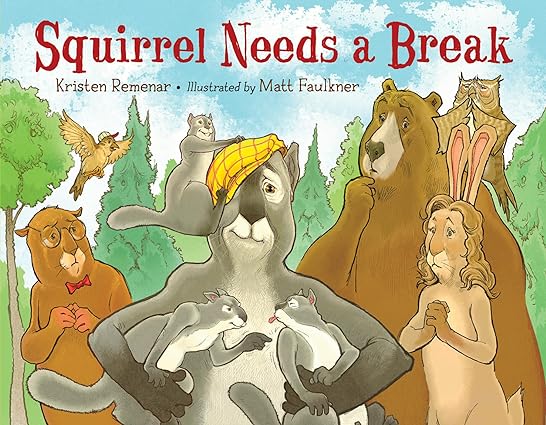
It Takes a Village: A Review of Squirrel Needs a Break

Squirrel Needs a Break
Kristen Remenar
Illustrated by Matt Faulkner
Charlesbridge
Available May 7, 2024
Age 4-7

After a long winter in the nest, Squirrel is an exhausted single dad, just doing his best with three rambunctious kits. Seeing his need, his forest friends hatch a plan to give Squirrel the break he so desperately deserves. How hard could it be to take care of little squirrels? While Owl takes Squirrel to dinner, Hare teaches the kits to make pancakes. While Groundhog takes him to yoga, Owl teaches the kits to meditate—almost. Each friend takes a turn helping Squirrel to relax and watching the kits. As the community rallies to help, they realize how hard and rewarding it can be to parent. In the end, they all appreciate what a wonderful father Squirrel is and what a strong family they make together.

In this companion to Groundhog’s Dilemma, Remenar uses gentle humor to explore the work and love required to raise young of any species with a story as much for parents as children. And the forest community demonstrates just how important a support system, whether an extended or found family, can be to the effort. Faulkner’s digital illustrations use a pencil-like technique and vintage color palette reminiscent of Disney’s The Rescuers (1977). The combination of full-bleed and multi-panel pages with text bubbles provides enough visual interest to keep the story from veering too retro. Emotionally expressive faces showcase the joys and trials of parenthood so thoroughly that adult readers will feel seen. Perfect for a snuggled up read, this title will illustrate to kids the ways caregivers show their love through both actions and words.

The African proverb that it takes a village to raise a child (or, in this case, squirrel) is proven yet again in this sweet and lighthearted tribute to the power of community.